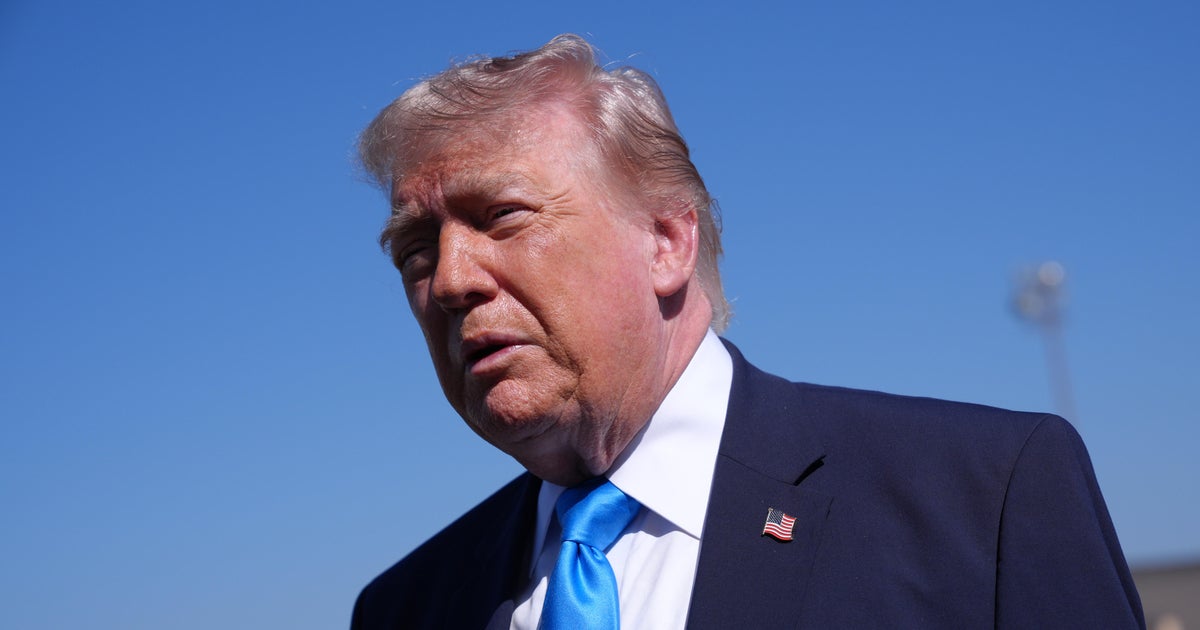
Trump said the U.S. and Iran are "getting a lot closer" to a deal, with sources saying the proposal may include reopening the Strait of Hormuz, unfreezing some Iranian assets, and continuing negotiations. He said any agreement would block Iran from obtaining a nuclear weapon and handle enriched uranium, while warning that failure to reach a deal could trigger severe consequences. Rubio added that there may be news later today or in the coming days, keeping geopolitical and energy-market risk elevated.
The market’s first-order read is lower geopolitical risk premia, but the bigger second-order effect is on the credibility of supply restraint across the entire Middle East. Even a partial easing of Iran-related friction can compress implied tail risk in crude, tighten credit spreads for regional sovereigns, and weaken the “defense bid” embedded in energy and shipping names that have recently traded on congestion and disruption premiums. The key nuance is that reopening trade channels and unfreezing assets would likely arrive before any durable normalization, so the initial move is more about removing a scarcity premium than adding meaningful barrels.
That creates a differentiated setup: refiners, airlines, chemicals, and transport benefit first from lower input costs, while upstream energy and offshore logistics names face the fastest multiple compression. The more interesting hidden winner is the broader emerging-markets complex—if this reduces pressure on Gulf capital flows and lowers the probability of additional sanctions enforcement, countries with external funding needs could see easier financing conditions even without direct trade exposure. Conversely, any perception that the U.S. is willing to trade sanctions relief for a slow-burn negotiation risks encouraging other sanctioned regimes to wait for concessions rather than comply.
The main risk is that this is still an option-value headline, not a completed regime change. If talks stall or the final terms are seen as too permissive, crude can reverse sharply because positioning is likely leaning toward de-escalation on the assumption that a deal is imminent. Over a 1-4 week horizon, the better expression is relative value rather than outright directional oil; over a 3-6 month horizon, the trade hinges on whether this becomes a durable corridor for Gulf trade or just a temporary diplomatic reset.
Contrarian view: consensus may be underestimating how much of the geopolitical premium is already embedded in equities and commodities, while overestimating the duration of any relief rally. If the deal merely delays confrontation without materially changing Iranian export capacity, the long-term supply impact on oil is modest, but the short-term volatility in rates, FX, and defense-sensitive sectors can be substantial.
AI-powered research, real-time alerts, and portfolio analytics for institutional investors.
Request DemoOverall Sentiment
neutral
Sentiment Score
0.15
