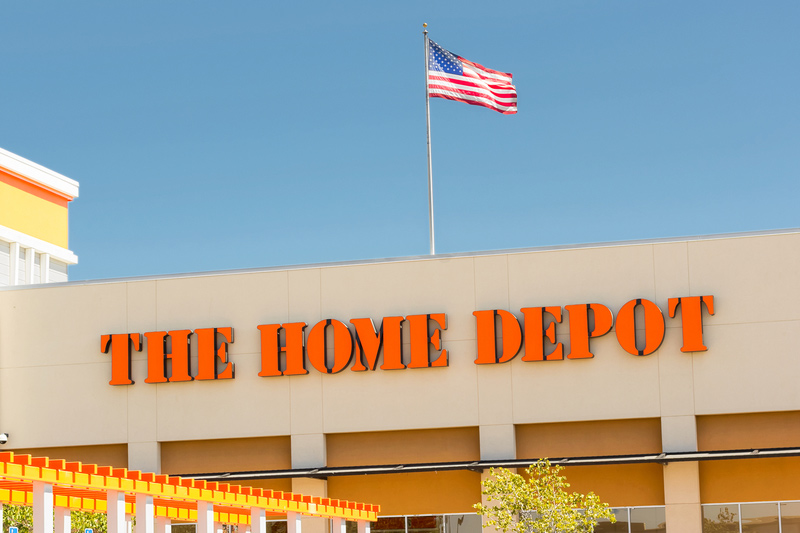
SRS Distribution, a Home Depot subsidiary, completed its acquisition of Mingledorff’s, adding HVAC distribution across 42 locations in five southeastern states and expanding SRS into a new vertical. The deal increases Home Depot’s total addressable market to $1.2 trillion, with HVAC distribution estimated at about $100 billion, though financial terms were not disclosed. The transaction modestly strengthens Home Depot’s pro-focused growth strategy and broadens its competitive footprint.
This is less about the incremental revenue from a single acquisition and more about Home Depot signaling that it intends to own the contractor wallet across more of the workflow. HVAC broadens SRS from a cyclical building-products distributor into a more recurring, service-linked channel, which should improve customer stickiness and bargaining power with vendors over time. The second-order effect is competitive: once a pro buys roofing, lumber, landscape, and HVAC through one platform, smaller specialists face a steadily higher switching hurdle and may be forced into price concessions or niche positioning.
The market is probably underestimating the strategic value of HVAC distribution because it is one of the few adjacent categories that can deepen frequency without requiring a new store buildout. Even if the near-term earnings contribution is modest, the asset can improve cross-sell, route density, and procurement leverage across SRS’s network, with benefits compounding over 12-24 months rather than showing up immediately. The bigger upside optionality is that Home Depot can use SRS as a wedge to capture share in pro-led spend while the housing cycle remains soft, making this a share-gain story masked as a boring tuck-in deal.
The losers are the category specialists that compete on local service and breadth, especially those with weaker scale economics. SITE and POOL are the most exposed to a gradual erosion in wallet share rather than a sudden volume shock; that makes the bearish setup slower but more durable if SRS executes well. A near-term reversal would likely require either integration missteps, poor working-capital discipline, or evidence that pro demand is deteriorating enough that distributors start competing harder on price instead of service.
Contrarianly, the consensus may be too focused on HD’s valuation and too little on the durability of its pro share gains. If the added vertical improves customer retention and vendor terms, the market could eventually award a higher quality multiple even before topline acceleration is obvious. The setup is better viewed as a medium-term compounding engine than a one-day M&A pop.
AI-powered research, real-time alerts, and portfolio analytics for institutional investors.
Request DemoOverall Sentiment
mildly positive
Sentiment Score
0.25
Ticker Sentiment
