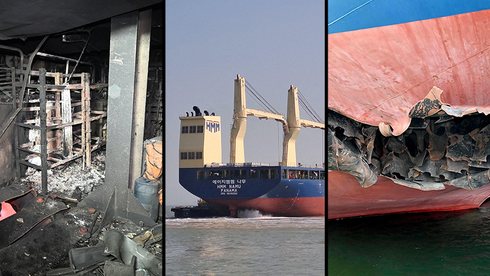
A South Korean cargo ship, HMM Namu, was confirmed struck by two Iranian drones in the Strait of Hormuz, causing a fire in the engine room and a large breach in the stern, though all 24 crew were rescued safely. The incident escalates already severe shipping disruption in the strait, where Iran and the U.S. have imposed competing blockades and attacks on commercial traffic have intensified. Britain is deploying HMS Dragon to join an international protection mission as tensions and transit risk rise for energy and cargo flows.
The market is still underestimating how quickly a “contained” Hormuz disruption becomes a global logistics tax. Even without a full closure, repeated drone hits create a higher clearing price for marine insurance, convoying, and rerouting, which matters more for time-sensitive industrial supply chains than for headline oil volumes. The second-order winners are not just upstream energy names, but also tanker owners with embedded scarcity optionality and defense contractors tied to maritime surveillance, counter-drone, and base protection.
The bigger near-term transmission channel is LNG and refined-product scheduling, not just crude. If vessels begin to self-ration transits, spot freight and demurrage rates can spike within days, and Asian importers with thin inventories will pay up first; that can widen regional gas spreads and pressure heavy energy users in Korea, Japan, and Europe before the physical barrel shortage shows up. The shipping risk premium also tends to persist longer than the actual incident window because underwriters reprice on perceived uninsurable tail risk, not just on realized damage.
The contrarian view is that the first-order geopolitical shock may be less bullish for oil than consensus expects if it accelerates diplomatic off-ramps or coordinated naval protection. If major powers move to escort traffic, the market could quickly fade the most extreme tail outcomes while leaving a durable but smaller risk premium embedded in freight and insurance. That argues for expressing the trade through relative-value and optionality rather than naked beta: the asymmetric payoff is in names exposed to transport bottlenecks and defense escalation, while outright broad market shorts are likely too blunt.
AI-powered research, real-time alerts, and portfolio analytics for institutional investors.
Request DemoOverall Sentiment
strongly negative
Sentiment Score
-0.72
