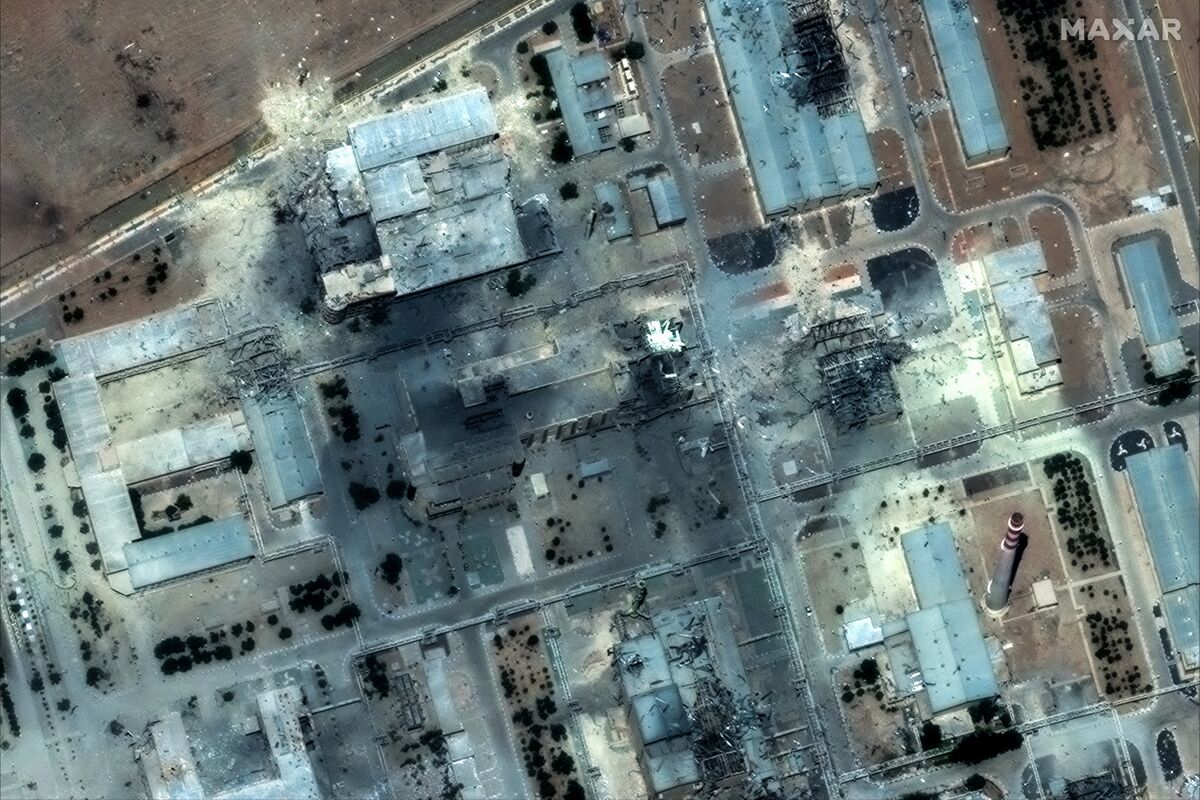
US airstrikes on Iran's nuclear sites have significantly escalated Middle East tensions, leading to immediate market reactions including declines in Asian currencies and stocks, European stock futures, and volatile oil prices. This direct military action, marking uncharted territory, heightens concerns over potential Iranian retaliation and its nuclear program, while also prompting oil tankers to re-route from the Strait of Hormuz. The increased risk to commercial shipping through this critical artery poses a significant threat of energy price spikes, particularly impacting Asia which is heavily reliant on Middle East crude transiting the strait.
The unprecedented US airstrikes on Iranian nuclear sites have injected significant uncertainty and risk into global markets, marking a sharp escalation in Middle East geopolitical conflict. Immediate market reactions included a flight to safety, evidenced by falling Asian currencies, equities, and European stock futures. While oil prices initially advanced on the news, they later erased gains, indicating market difficulty in pricing the full scope of potential retaliation and supply disruption. The most tangible near-term impact is on energy logistics, highlighted by two supertankers re-routing away from the Strait of Hormuz. This action is a critical signal of rising risk for commercial shipping in a chokepoint that handles over 80% of Middle East crude exports. Any sustained disruption poses a severe threat of an energy price spike, with Asian economies being particularly vulnerable given their heavy reliance on crude transiting the strait. The fact that Iran's nuclear program was damaged but not destroyed, combined with its vow of retaliation, creates a highly unstable situation with substantial tail risk.
AI-powered research, real-time alerts, and portfolio analytics for institutional investors.
Overall Sentiment
strongly negative
Sentiment Score
-0.85
