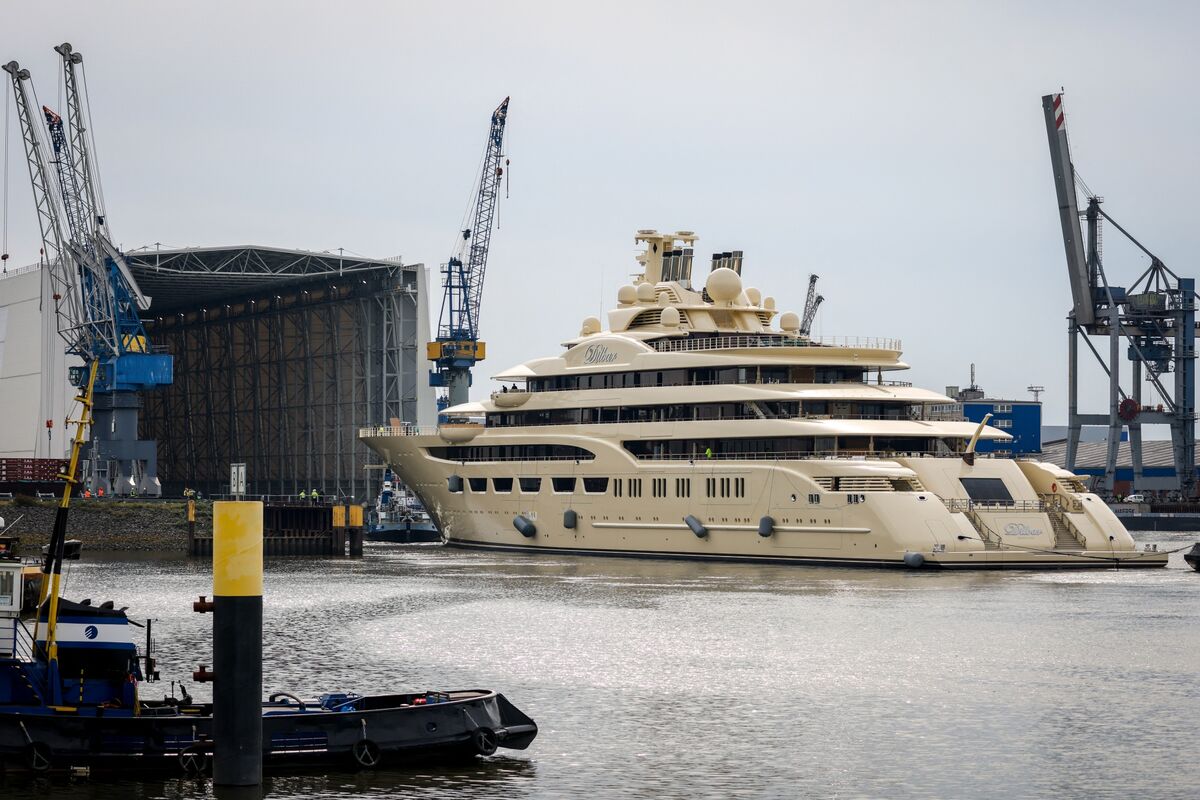
A Frankfurt court ruled that the Dilbar superyacht linked to Alisher Usmanov is no longer considered frozen under the EU sanctions regime because authorities failed to prove Usmanov controls the trust holding the vessel. The ruling allows the maintaining shipyard to seek payment for years of maintenance, though ultimate beneficiaries of the trust remain unclear. This is a meaningful legal development for sanctions enforcement, but with uncertain downstream impact.
The key signal is not the vessel, but the court’s willingness to require demonstrable control before treating a trust-held asset as effectively frozen. That subtly weakens the enforcement perimeter around sanctions and raises the value of legal structure over nationality, which benefits shipyards, marine service providers, and insurers that have been sitting on unpaid maintenance claims while freezes drag on. The loser is the deterrence value of the regime itself: counterparties now have a stronger template for challenging asset-freeze designations, increasing legal spend and collection uncertainty across Europe.
The second-order effect is a compliance tax, not a one-off windfall. If this standard propagates, sanctioned owners will lean harder on trusts and nominee layers, while yards and financiers will demand more escrow and upfront funding, which can slow transaction volume in luxury marine services over 6-18 months even if headline sanctions stay unchanged. For listed markets, the impact is likely too idiosyncratic to move broad indices, but it could matter for niche maritime repair, yacht brokerage, and litigation-heavy service businesses if multiple similar rulings appear.
Near term, this is a monitoring item rather than a clean trade: the base case is a small, legal-driven re-rating in counterparties’ confidence, not a macro shift. The thesis breaks if an appellate court overturns the ruling, if the EU tightens beneficial-ownership definitions, or if investigators produce direct evidence of control over the trust. There is no direct read-through to UNP; any trading reaction there would be noise rather than fundamentals.
AI-powered research, real-time alerts, and portfolio analytics for institutional investors.
Request DemoOverall Sentiment
mildly positive
Sentiment Score
0.15
Ticker Sentiment
