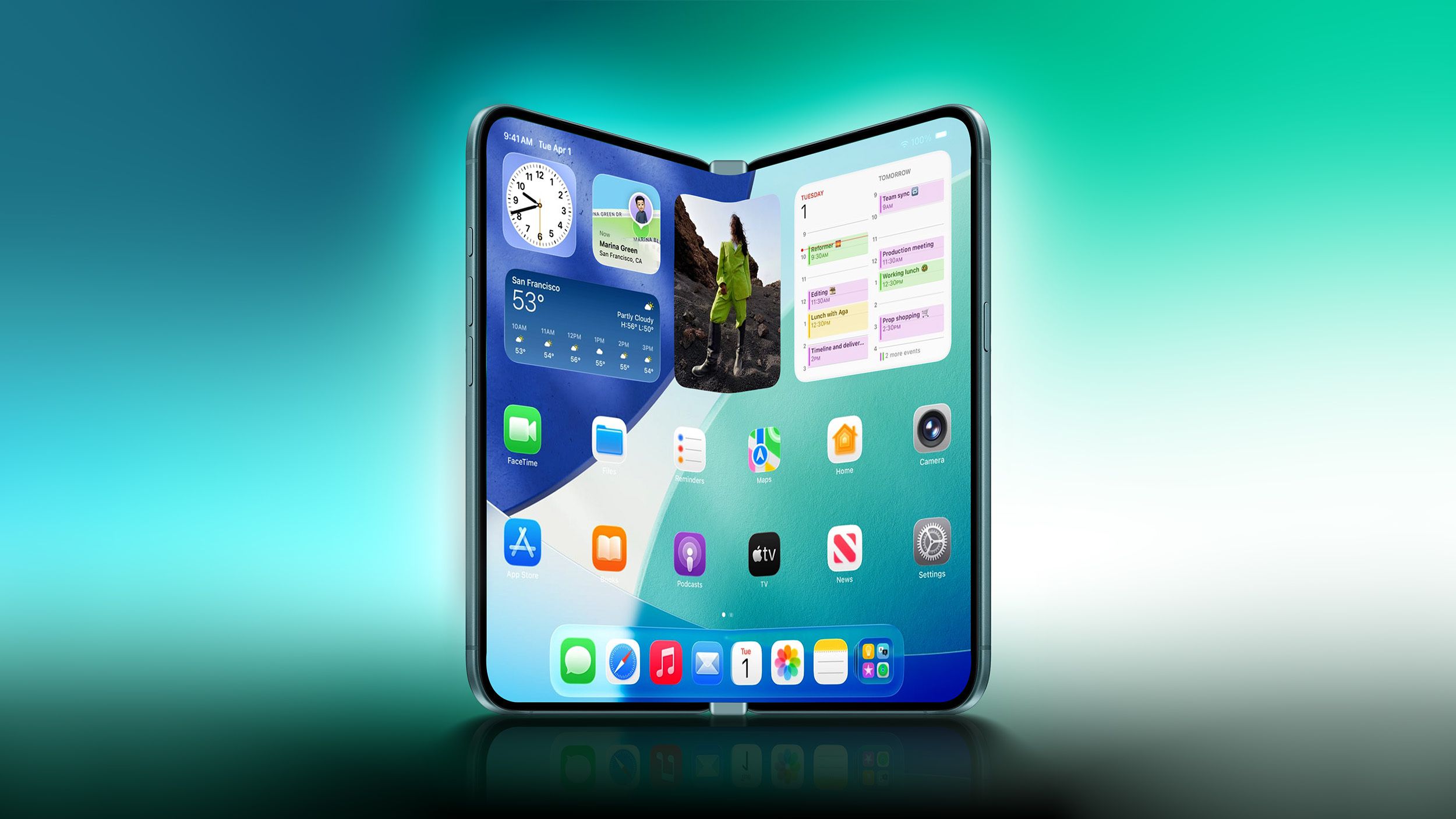
Apple’s first foldable iPhone is reportedly in a new testing stage ahead of mass production, with rumors pointing to a $2,000+ price tag and a possible launch around the iPhone 18 Pro timeline. The device is expected to feature a 5.5-inch cover display, 7.8-inch inner display, 4.5mm open thickness, Touch ID, and a two-lens camera system. While timing remains uncertain, the article suggests the product could be a major premium launch if Apple executes on schedule.
The market is likely underestimating how little of this is about one handset and how much is about Apple forcing an upgrade cycle in its highest-value cohort. A foldable at a premium price can act as a halo product that lifts attach rates across services, accessories, and storage tiers even if unit volumes are tiny; the real financial leverage is margin mix, not absolute shipments. The first-order winner is Apple, but the second-order beneficiaries are the companies that get pulled into a tighter bill-of-materials regime where Apple’s supply-chain qualification tends to concentrate demand into a smaller set of proven vendors.
The bigger setup is around scarcity. If launch timing slips even modestly, the revenue impact is less important than the narrative damage: investors will read any delay as evidence that Apple’s innovation cadence remains incremental while competitors keep monetizing foldable form factors. Conversely, an on-time launch with constrained supply is actually bullish for near-term ASP optics because it preserves exclusivity and supports a long runway for sequential revisions; the Street tends to overreact to early supply limits as negative, when they can be highly accretive to pricing power.
The contrarian angle is that the foldable may be more important as a signaling device than as a standalone P&L driver. A $2k+ entry point means the addressable market is skewed toward the most loyal iPhone users, so the adoption curve could be shallow at first but still strategically meaningful if it resets the premium ceiling for future flagship phones. If Apple proves there is willingness to pay for a thinner, more tablet-like iPhone, it increases optionality for a broader product ladder over the next 12-24 months, while pressuring Android foldable vendors that rely on feature parity rather than ecosystem lock-in.
AI-powered research, real-time alerts, and portfolio analytics for institutional investors.
Request DemoOverall Sentiment
mildly positive
Sentiment Score
0.15
Ticker Sentiment
