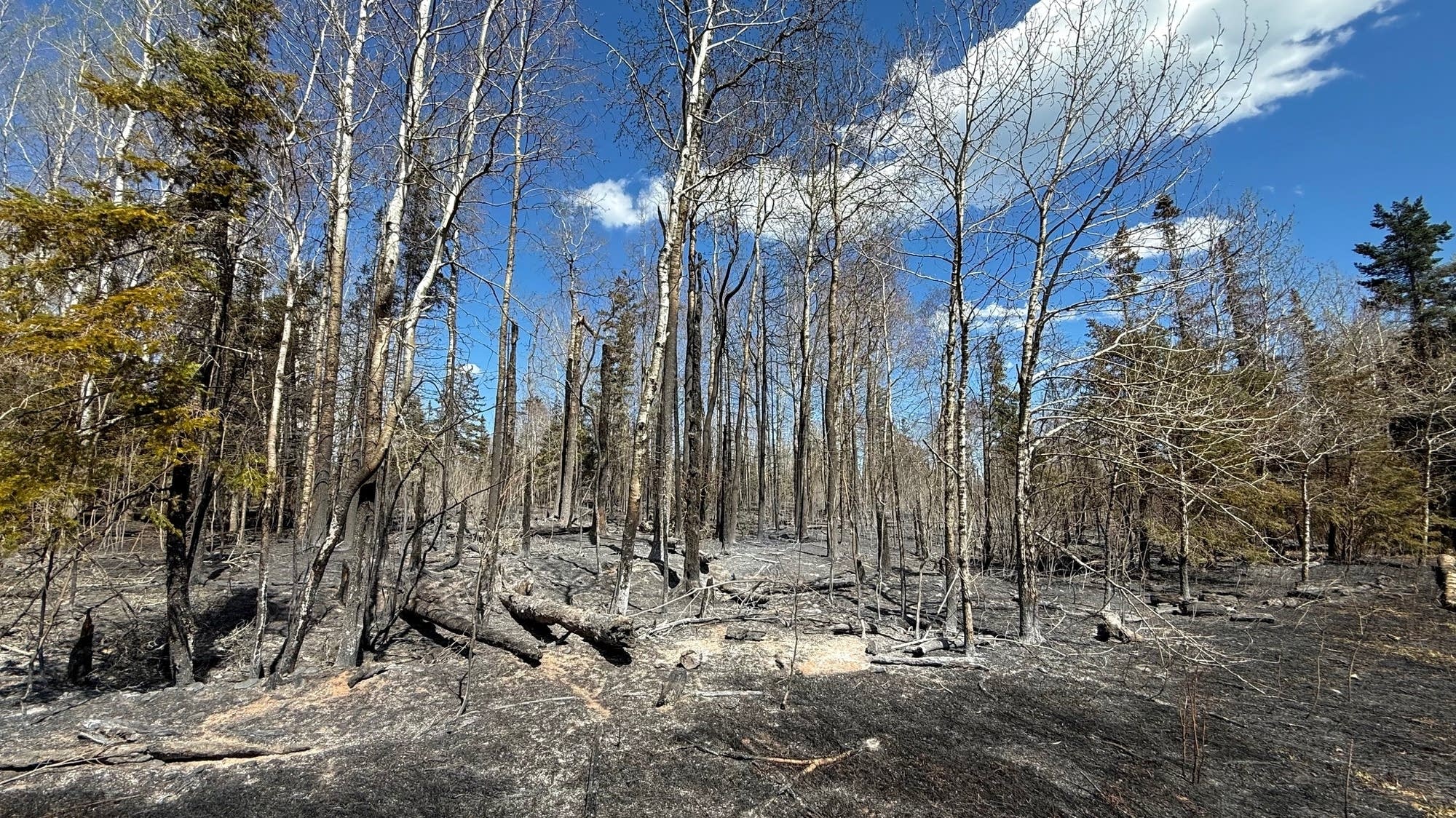
A wildfire near Two Harbors damaged 34 buildings and forced Highway 61 to remain closed. The event is materially negative for local property and transportation access, but it is unlikely to have broad market impact beyond the affected area. The article is primarily a factual update on wildfire damage and road disruption.
The immediate market read is not the damage count itself but the duration of the corridor outage. Highway 61 is a critical low-liquidity artery for tourism, lumber, retail replenishment, and emergency movement along the North Shore; even a short closure creates a second-order hit to regional revenue because discretionary travelers cancel faster than they rebook. That makes the real economic exposure less about the physical structures and more about lost throughput over the next several days to weeks.
The more interesting implication is margin pressure on businesses that are already fixed-cost heavy: fuel stations, grocers, motels, and small distributors. When traffic reroutes, the winners are not local comps but adjacent-service nodes farther inland that capture spillover spending; however, those gains are usually too small to offset the local demand shock. In a broader context, wildfire events like this can also tighten municipal and state budget conditions through emergency response, debris removal, and road repair, which may matter if closures extend into a higher-tourism period.
From a trading perspective, this is typically a short-horizon event unless it evolves into a larger fire complex or triggers repeated closures. The tail risk is a prolonged access impairment that forces inventory rebuild delays and insurance-loss revisions, while the reversal catalyst is a rapid containment report plus road re-opening timeline. Consensus often underestimates how quickly the economic impact decays once access is restored, so the tradeable edge is usually in overreacting names with immediate physical exposure rather than broad market beta.
The contrarian view is that the headline may be worse than the investable impact: unless the fire spreads materially, the radius of earnings damage is narrow and mostly local. That suggests fading any broad selloff in transport or consumer discretionary proxies if the incident remains geographically contained, while staying alert for insured-loss read-throughs only if the fire season turns systemic across the Upper Midwest.
AI-powered research, real-time alerts, and portfolio analytics for institutional investors.
Request DemoOverall Sentiment
strongly negative
Sentiment Score
-0.55
