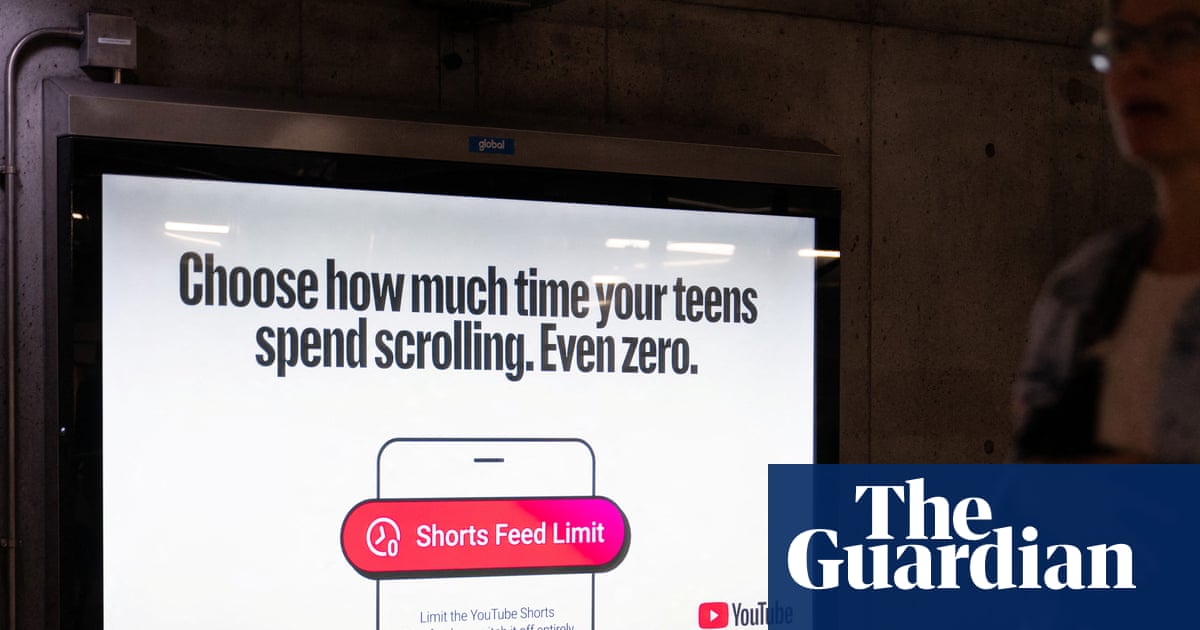
The UK plans to impose an under-16 social media ban covering platforms such as X, Facebook, YouTube, Snapchat and TikTok, with enforcement proposals from Ofcom expected in the autumn and implementation targeted for early 2027. Officials are lobbying the Trump administration to avoid retaliation, as the move could trigger tension with US tech companies and Washington, while also expanding restrictions to live-streaming, unsolicited contact on gaming sites and romantic chatbots. The policy is broader than Australia’s and could affect VPN controls and age-verification requirements.
The market read is not that this is an immediate earnings shock for GOOGL or META, but that it raises the probability of a broader compliance architecture being imposed across the UK and, by imitation, other jurisdictions. That matters because age-verification obligations tend to shift costs away from the platforms and onto device-level, app-store-level, or identity-layer intermediaries; the first derivative hit is modest, but the second-order effect is margin compression plus slower user acquisition for younger cohorts that are disproportionately engaged and monetizable over time.
META is more exposed than GOOGL on two vectors: Instagram/WhatsApp adjacency to teen social graph usage, and higher sensitivity to reputational spillovers if regulators frame engagement products as harmful by design. GOOGL’s relative insulation comes from the presence of curated educational services and the fact that YouTube is only one part of a larger ad stack; the bigger risk is forced product segmentation that weakens YouTube’s habit formation and reduces session depth, not outright usage loss. The market may be underestimating the cost of compliance drag if VPN controls, ID checks, and facial/age-estimation requirements become standardized; those features are expensive to implement globally and likely lower conversion rates by a few hundred basis points.
Catalyst path is asymmetric: near term, this is mostly noise unless Washington escalates, but over 3-6 months any signal that the UK is willing to extend limits into late-night curfews or VPN enforcement would push the debate from social policy into platform architecture and privacy. The cleanest tail risk is retaliation against the UK’s digital-services regime, which could widen the issue from children’s safety to transatlantic tech taxation and force a higher-risk premium on UK-facing ad budgets. Conversely, if the administration treats this as politically useful child-safety theater, the equity impact fades quickly.
Consensus is probably too focused on headline restrictions and not enough on enforcement frictions. The bigger economic effect may be that platforms respond by tightening age gates globally rather than country-by-country, which would create a small but persistent drag on teen-reach inventory and push advertisers toward measurement-safe channels. That makes this more of a medium-term multiple-headwind for META than a near-term revenue event, while GOOGL is the cleaner relative long because its exposure is easier to ring-fence.
AI-powered research, real-time alerts, and portfolio analytics for institutional investors.
Request DemoOverall Sentiment
neutral
Sentiment Score
-0.05
Ticker Sentiment
