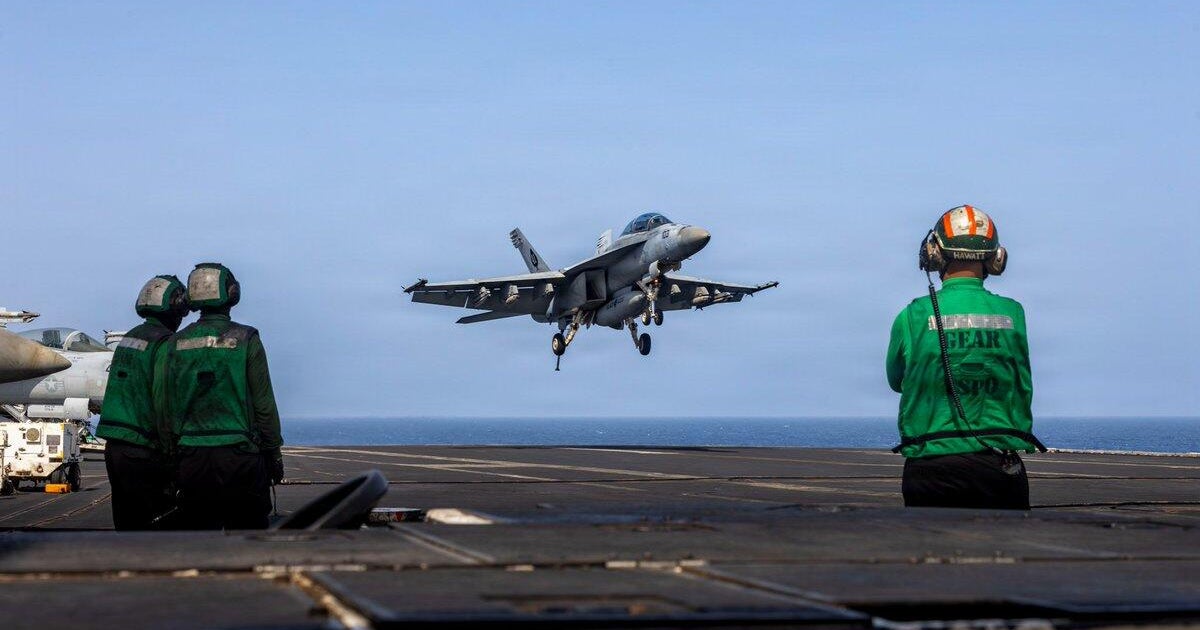
Iran fired a ballistic missile toward Kuwait on May 27, which CENTCOM said was successfully intercepted, while U.S. forces also intercepted five one-way attack drones near the Strait of Hormuz. The U.S. imposed new sanctions on Iran's Strait of Hormuz fee-collection authority as shipping through the strait fell 46% last week, underscoring escalating risks to global energy and maritime flows. The article also reports fresh Israeli strikes in Lebanon and continued ceasefire instability, keeping regional geopolitical risk elevated.
The market is still underpricing how quickly this can morph from a regional shooting war into a shipping-finance event. Even without direct hits on U.S. assets, repeated intercepts and threatened fee collection raise the cost of moving cargo through a chokepoint that matters more for pricing psychology than physical volume; insurers and charterers will re-rate first, then spot freight, then energy differentials. The key second-order effect is that compliance risk now sits between shipowners and their cargo economics: even if passage is operationally possible, the question becomes whether counterparties can legally pay for access without tripping sanctions.
The near-term winners are not the obvious defense primes alone, but whoever monetizes volatility in shipping disruption and Middle East security. Integrated oil names benefit asymmetrically if risk premia widen faster than global demand deteriorates, while tanker and LNG shipping names are vulnerable to uninsured routing and dark-transit penalties. EM sovereigns in the Gulf are caught in the middle: their trade flow exposure is real, but the bigger issue is that every additional day of friction increases the probability of self-sanctioning by Asian buyers, which can persist long after any ceasefire headline fades.
Consensus is likely too focused on whether the strait is literally closed. The more important base case is a persistent gray-zone regime where traffic continues but at a materially higher all-in cost, with intermittent escalations creating a series of mini-shocks over 2-6 weeks. That argues for owning optionality on energy and defense rather than outright directional beta, because a diplomatic patch could compress the risk premium quickly, while another strike cycle could reprice the entire complex in a single session.
AI-powered research, real-time alerts, and portfolio analytics for institutional investors.
Request TrialOverall Sentiment
strongly negative
Sentiment Score
-0.70
