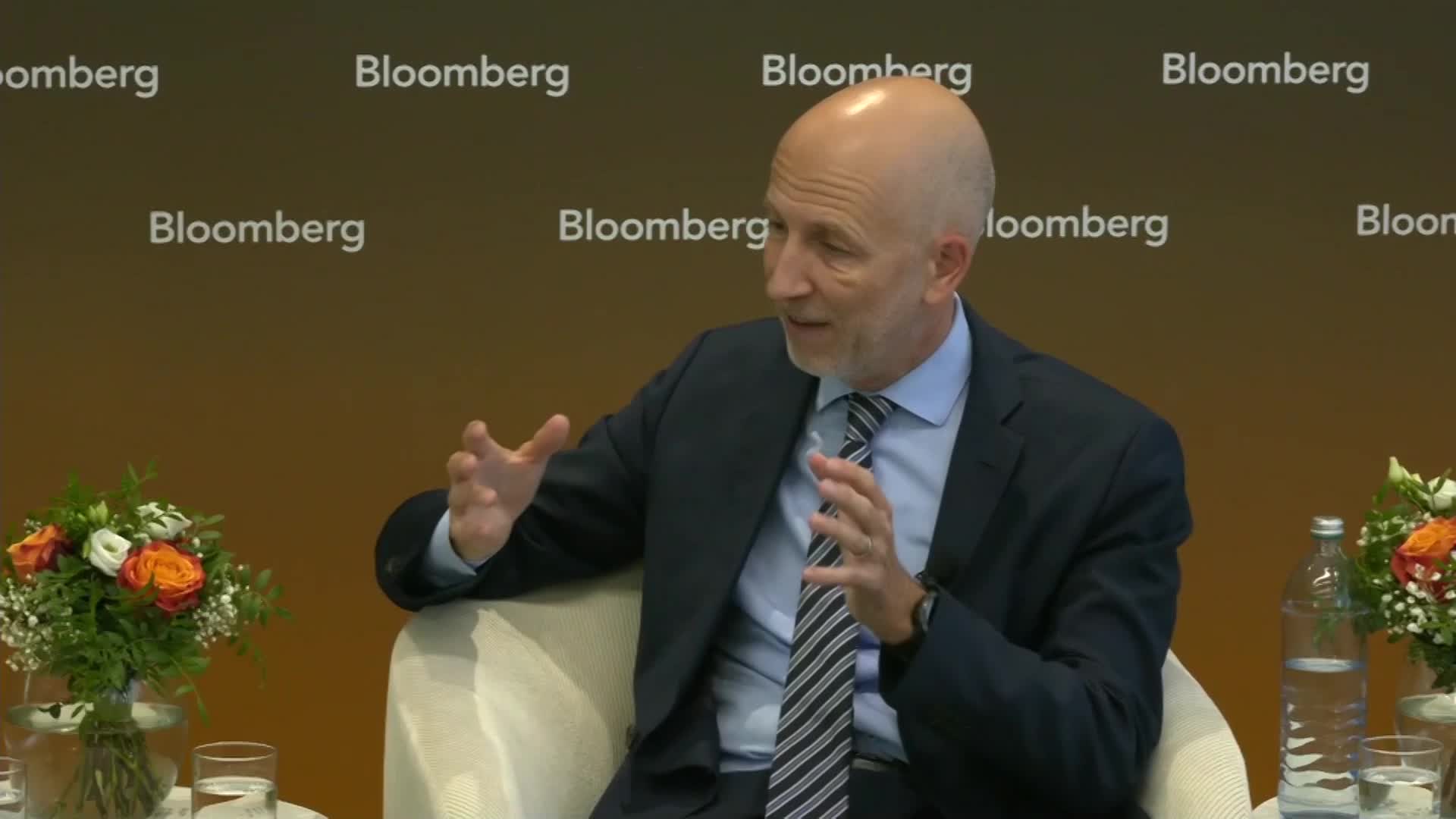
ECB official Robert Kocher stated that inflation risks are 'quite balanced,' signaling a potentially neutral or data-dependent stance from the European Central Bank regarding future monetary policy. This assessment could influence market expectations for interest rate adjustments within the Eurozone.
European Central Bank official Robert Kocher's statement that risks to the inflation outlook are 'quite balanced' signals a neutral policy stance from the central bank. This characterization suggests that the ECB does not currently see a significant skew towards either upside inflationary surprises or a deflationary downturn. Consequently, this reinforces the market's perception of a data-dependent ECB, where future monetary policy decisions, particularly regarding interest rate adjustments, will be contingent on incoming economic indicators rather than a predetermined path. The comment implies a potential pause or a holding pattern in policy shifts, as the central bank waits for a clearer trend to emerge in core inflation, wage growth, and overall economic activity within the Eurozone. The neutral sentiment and low market impact score indicate this statement likely aligns with, rather than challenges, current market consensus.
AI-powered research, real-time alerts, and portfolio analytics for institutional investors.
Request DemoOverall Sentiment
neutral
Sentiment Score
0.00
