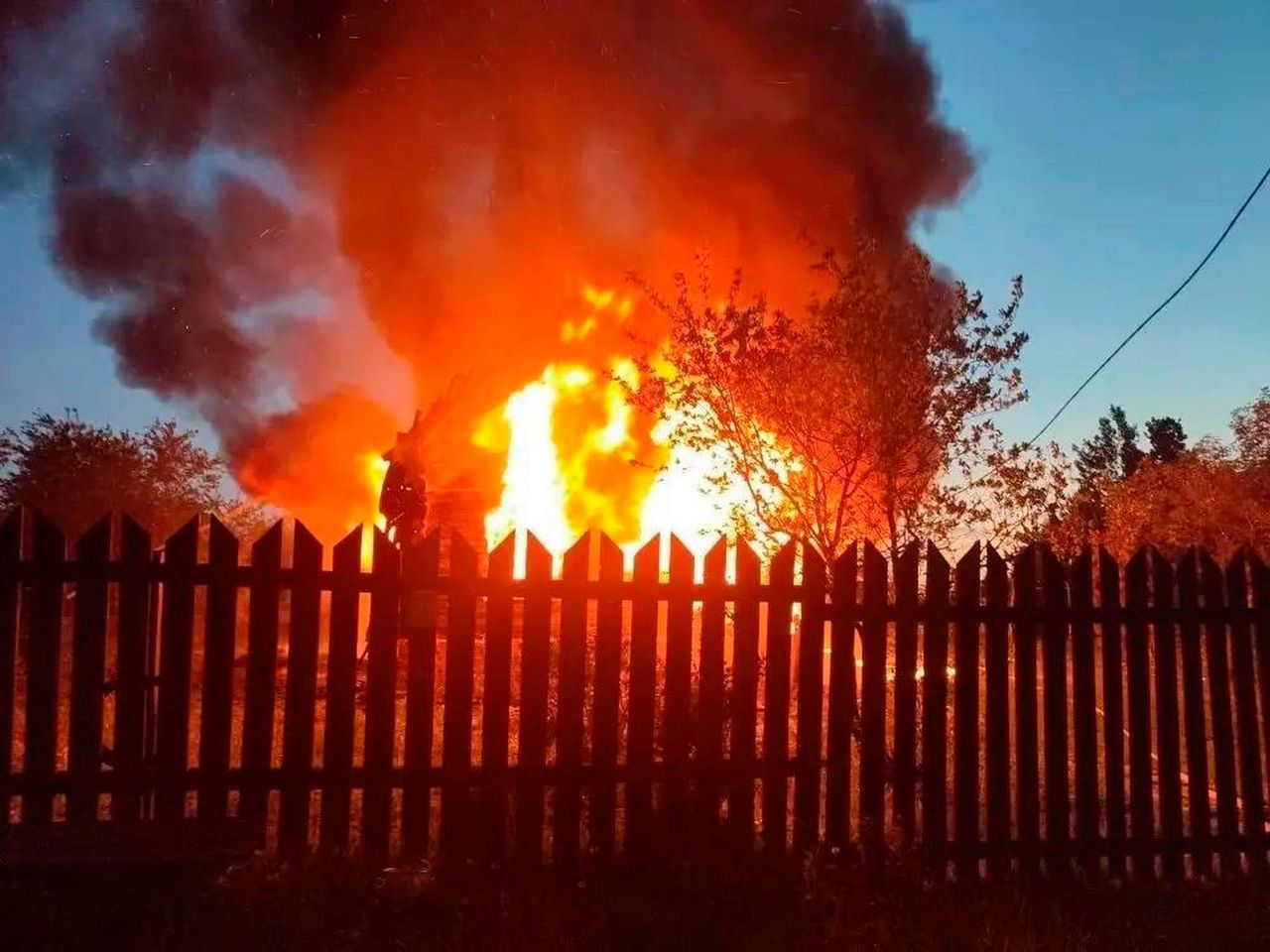
Ukraine launched one of its largest drone strikes on Russia, killing at least four people and wounding dozens, while Russia said it shot down 81 drones headed for Moscow and more than 556 across Russia, Crimea, and the Azov/Black Seas overnight. The attack reached the Moscow region and briefly affected airport and refinery areas, though no major damage was reported at Sheremetyevo or the refinery. The escalation underscores continued wartime risk for energy infrastructure, aviation, and broader regional security.
This is less a one-off escalation than evidence that Ukraine can now impose intermittent operational stress on the Russian rear at scale. The key second-order effect is not battlefield damage per se, but a rising cost of doing business around Moscow: higher air-defense burn rates, more flight disruptions, more insurance friction, and a persistent sense that critical infrastructure is no longer insulated. That compounds an already negative domestic confidence backdrop and can pressure Russian logistics, especially aviation and refinery throughput, even when headline physical damage looks limited.
The energy angle is the most investable channel. If Ukraine can sustain deep-strike pressure on refineries and export nodes, Russia’s ability to optimize product exports erodes faster than its crude export volumes, which tends to show up first in diesel/petchem spreads and regional product tightness rather than Brent outright. That creates a subtle winner set: non-Russian refiners with advantaged crude access and integrated fuel distribution, plus defense names tied to air-defense, counter-UAS, and base-hardening. The market may underprice the cumulative effect because each strike appears tactical, but the macro transmission is gradual and nonlinear.
Base case is elevated risk premium over the next 1-3 months, not a clean commodity spike. The main reversal is diplomatic de-escalation or a credible air-defense adaptation that materially reduces strike efficacy; absent that, the path of least resistance is more volatility in Russian assets and higher perceived tail risk in European energy logistics. The contrarian read is that the market may be too focused on headline deaths and not enough on the operational learning curve: once deep-strike capability is normalized, the marginal effect on Moscow’s transport and industrial rhythm can be larger than the visible physical destruction.
For portfolios, the key is to separate short-term event risk from medium-term capacity degradation. The strike set supports a higher defense spend narrative, but the more asymmetric trade is via energy-product dislocations and Russian-linked logistics sensitivity rather than broad crude beta. Expect the strongest read-through to show up in names with exposure to refinery outages, aviation interruption, and defense procurement cycles over the next quarter.
AI-powered research, real-time alerts, and portfolio analytics for institutional investors.
Request DemoOverall Sentiment
strongly negative
Sentiment Score
-0.55
