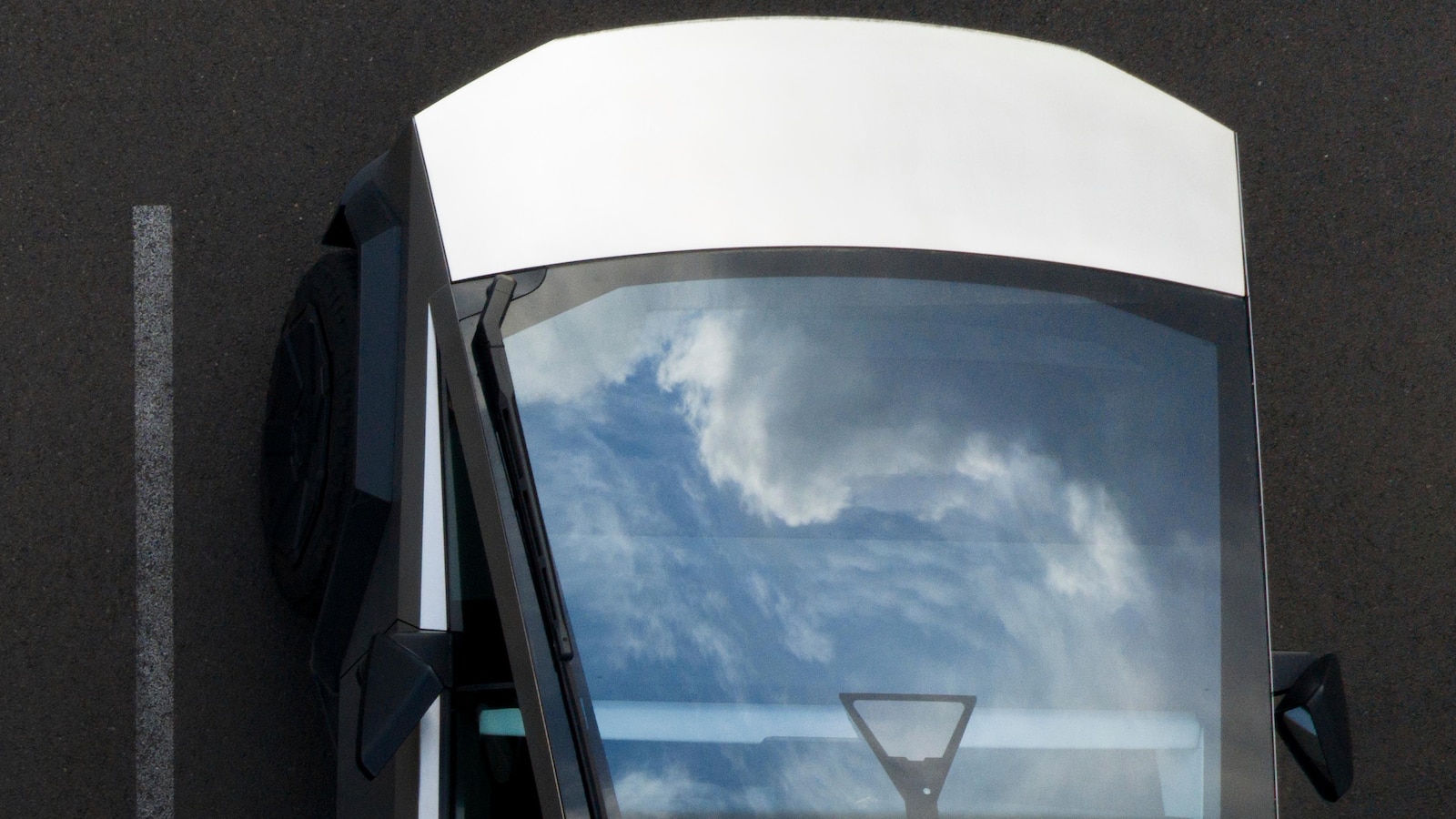
Tesla is recalling 173 Cybertrucks over a wheel-rotor cracking issue that could separate the wheel stud from the hub, plus more than 200,000 Model Y, Model S, Model X and Model 3 vehicles over a rearview camera software fault. The Cybertruck recall covers model year 2024-2026 vehicles with 18-inch steel wheels, and Tesla says it will replace affected brake rotors, hubs and lug nuts at no cost. Tesla reported no known accidents, fatalities or injuries related to either issue.
This is more of a quality-control signal than a franchise-threatening event, but the market should still mark down two latent risks: manufacturing consistency on newer configurations and the possibility that Tesla’s software stack creates periodic, attention-grabbing compliance events even when the underlying vehicle economics are intact. The Cybertruck issue is small in absolute units, yet it matters because it touches the most visible product in the lineup and reinforces a narrative that Tesla’s fastest-changing platforms may carry higher rework and warranty intensity than peers.
The second-order effect is reputational, not direct revenue loss. For a company priced on autonomy, scale, and operating leverage, repeated safety recalls can push regulators and insurers to demand higher scrutiny, which tends to show up later as slower approvals, more expensive coverage, and tighter fleet economics rather than immediate sales hits. That matters most over the next 3-6 months if Tesla needs to defend margins with incentives; even modest warranty creep can offset a meaningful slice of pricing power.
Competitively, legacy OEMs and EV entrants with steadier execution can use this to widen the “reliability premium” in fleet and consumer procurement decisions. The more interesting setup is in Tesla’s supplier chain: any durable fix that requires rotor/hub redesigns is a reminder that component spec changes can ripple through low-volume, high-complexity programs, potentially tightening margins at the margin for specialized wheel/brake suppliers while leaving high-volume commodity suppliers largely insulated.
Contrarian take: this is likely too small to change long-term valuation on its own, and the stock reaction should fade unless recall frequency accelerates. The bigger tell will be whether Tesla’s service/warranty line starts drifting higher in the next two quarters; if that happens, the market will begin to haircut gross margin durability rather than headline deliveries, which is where the real downside lives.
AI-powered research, real-time alerts, and portfolio analytics for institutional investors.
Request DemoOverall Sentiment
moderately negative
Sentiment Score
-0.32
Ticker Sentiment
