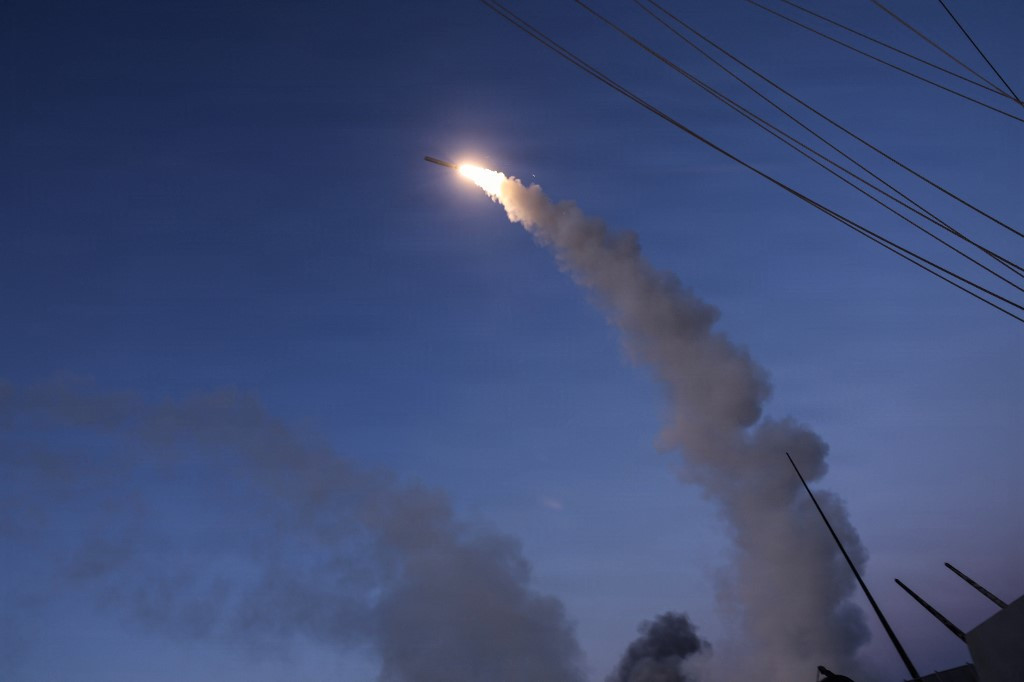
200 Ukrainian air-defense specialists have been deployed to Gulf states and reportedly critiqued Gulf/U.S. reliance on $3–6M interceptor missiles to shoot down $70k Shahed drones; Gulf forces fired >800 Patriot missiles in the first four days of the Iran conflict and the UAE reportedly spent ~$1 billion/day in the first 48 hours. The piece highlights a cost-inefficiency that could drive procurement shifts toward cheaper interceptor drones and tactics, potentially affecting defense contractors, procurement budgets and US/Gulf force posture in the near term.
Operational lessons from high-intensity drone campaigns create a durable procurement inflection: governments will pay for both brute-force missile intercept capacity and cheaper, scalable counter-drone systems, but not equally. Expect a two‑tier procurement cycle — an immediate stopgap surge in missile buys followed by 6–24 month reallocation to electronic warfare, expendable interceptors, mobility upgrades and sensor fusion to reduce cost-per-engagement by an order of magnitude.
This rebalancing has clear supply‑chain winners (low-cost UAS manufacturers, EW and radar suppliers, rapid-deploy logistics contractors, and firms that can integrate hybrid Soviet/NATO stacks) and losers (companies overly exposed to high-cost interceptor volume if doctrine changes). The mechanics: large-prime missile demand spikes boost revenue near-term but invite political and technical pressure to field cheaper intercept solutions that scale, compressing long-term margin multiples for single-product missile suppliers.
Strategically, Ukrainian operational IP (tactics, battle-proven C2 procedures, manual engagement profiles) is monetizable through training, licensing and co-production — expect 12–36 month deals combining Western industrial capacity with Ukrainian know‑how that accelerate small-interceptor industrialization. Geopolitically, allies buying Ukrainian systems risk triggering export‑control frictions and localized manufacturing footprints, creating regional winners and a bifurcated vendor landscape.
Key catalysts to watch: (1) formal procurement announcements (GCC/US) in 1–12 months, (2) public US acceptance of Ukrainian C‑UAS tech or joint factory MOUs within 3–18 months, and (3) operational evidence that cheap interceptors materially reduce missile usage; each can flip revenue trajectories quickly and create 2x+ re-rating opportunities or downside reversals if cheap interceptors fail in combat.
AI-powered research, real-time alerts, and portfolio analytics for institutional investors.
Request DemoOverall Sentiment
mildly negative
Sentiment Score
-0.20
