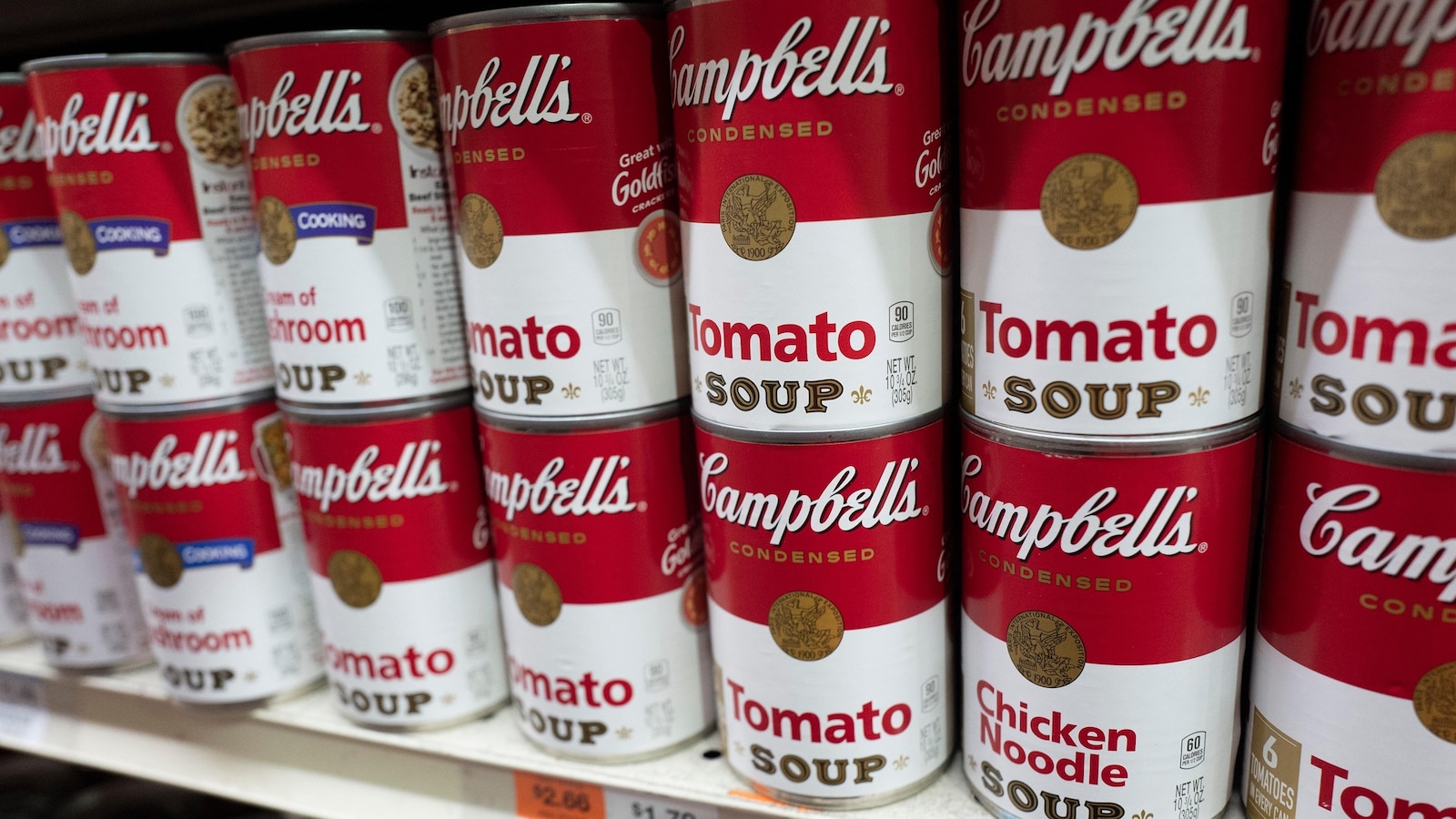
A lawsuit filed in Wayne County, Michigan alleges a Campbell's vice president, Martin Bally, was recorded disparaging the company’s soups as "highly processed" and referring to the chicken as "bioengineered meat," and claims the reporter of the comments, former cybersecurity analyst Robert Garza, was retaliated against and fired weeks later. Campbell's denies the comments as false and "absurd," has placed Bally on temporary administrative leave pending investigation, and reiterated that its soups use "no antibiotics, 100% real" chicken from USDA-approved U.S. suppliers; the company also says it has not been provided the recording. The dispute presents reputational and legal risk but, absent verified recording or material financial disclosures, is unlikely to drive major near-term moves in Campbell's valuation.
Market-structure: The direct loser is Campbell Soup Co. (CPB) via reputational hit; short-term winners are category peers (e.g., GIS, K) and private-label brands that can capture wary consumers. Pricing power and input-cost pass-through for staples are unlikely to shift materially absent a recall — expect a transient 5–15% equity re-rating window and a 5–30 bps widening in CPB credit spreads if sentiment deteriorates. Options IV should spike +5–15 implied vol points on any verified recording release, while FX and broad commodity markets remain immaterially affected.
Risk assessment: Tail risks include a viral recording leading to class-action suits, regulatory labeling inquiries, or supplier audits — low probability but could cost hundreds of millions and drive >20% equity downside. Immediate timeline: days for social/media moves; short-term: 2–12 weeks for legal filings and HR outcomes; long-term: 3–9 months for brand recovery or sustained share loss. Hidden dependencies: employee morale, IT/cybersecurity governance and HR practices can amplify reputational effects beyond product issues.
Trade implications: Tactical trades favor event-driven hedges and selective relative-value shifts — buy-the-dip CPB exposure if sell-off >4% intraday and fundamentals unchanged; if verified evidence surfaces, use put spreads to cap downside. Pair trades: go long higher-quality staples (GIS) vs short CPB for 3–6 months to capture brand rotation; reduce broad staples ETF overweight in favor of defensive healthcare on a 1–3 month view.
Contrarian angles: Consensus likely overweights reputational permanence; historically food-brand controversies often create 6–12 month buying windows with 10–25% rebounds once investigations close. Mispricing window: if CPB trades down >10% on allegation alone without supplier/ingredient evidence, this likely presents a mean-reversion opportunity — downside >20% requires concrete recall or regulatory action, which current facts do not support.
AI-powered research, real-time alerts, and portfolio analytics for institutional investors.
Request DemoOverall Sentiment
moderately negative
Sentiment Score
-0.30
