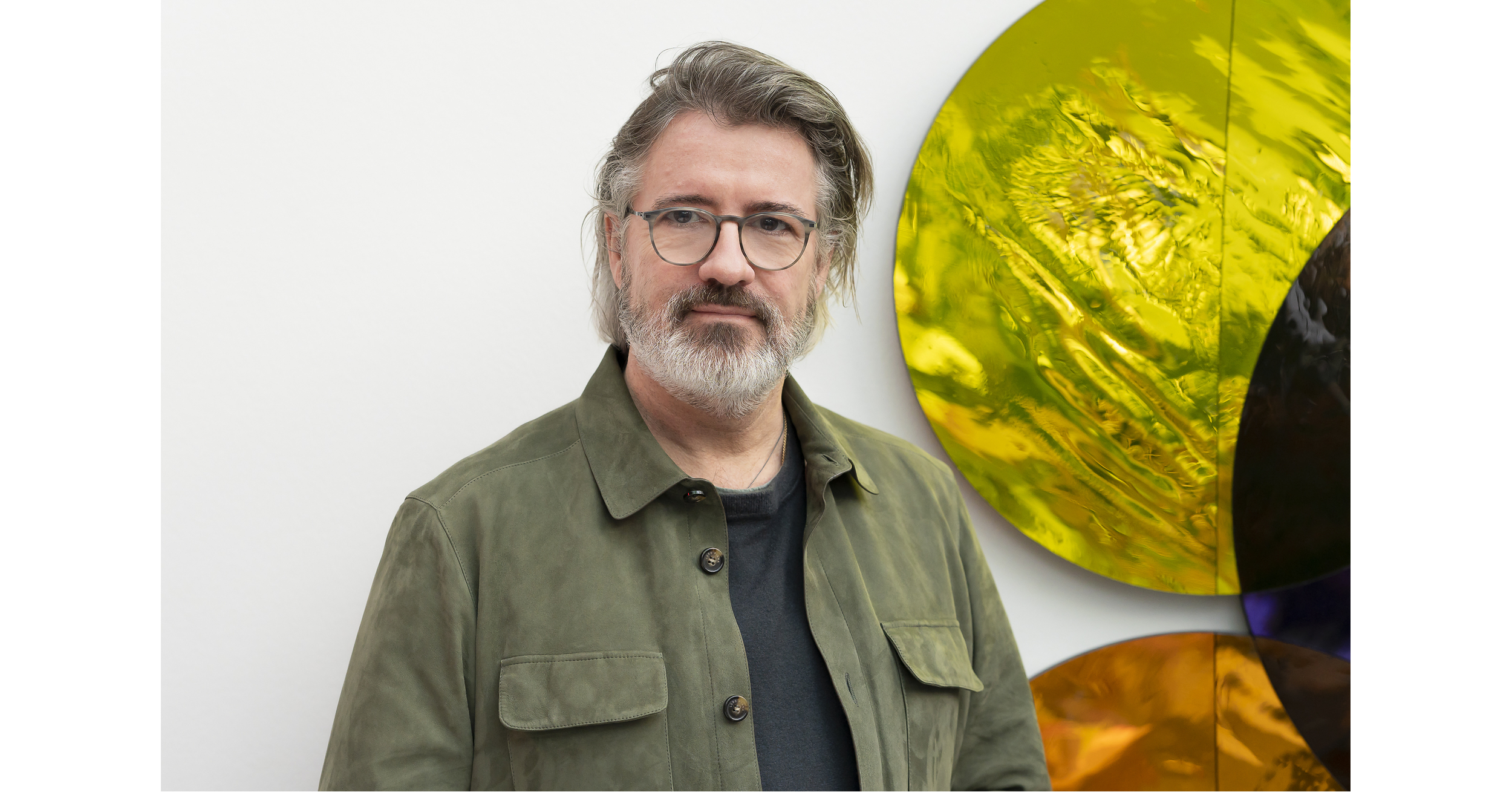
ARTIS (Amsterdam) will reopen its newly restored ARTIS-Aquarium in June 2026 and unveil Olafur Eliasson’s commissioned deep-sea, multisensory installation on October 3, 2026. The exhibit is designed to connect art, science, and nature via sound, light, and touch, recreating deep-sea conditions in the rotunda. The news is cultural/educational with no stated financial or market impact.
This is a brand/traffic story, not a capital-markets catalyst. Any economic upside accrues primarily to the venue through higher dwell time, memberships, sponsorship appeal, and premium pricing power; that is too small and too localized to move listed ESG, climate, healthcare, or tech baskets. The only investable second-order effect is a modest positive read-through for experiential leisure operators if immersive, science-led exhibits prove they can lift conversion and ancillary spend.
The consensus risk is over-reading the climate/education framing as a policy or procurement signal. There is no obvious revenue sensitivity, supply-chain effect, or regulatory timing here, so the tradeable impact is likely limited to sentiment around experiential consumer demand over the next 1-3 months, not days. If the reopening drives measurable attendance uplift or sponsor renewal, that would support a broader thesis that “immersive learning” monetizes better than static cultural programming.
Contrarian view: the move may be underwhelming rather than overdone. The market often prices narrative-rich projects as if they create category demand, but the real test is repeat visitation and willingness to pay, which usually show up only after several quarters. Absent those data, this is best treated as a watch item; the thesis is falsified if opening interest fails to convert into sustained footfall, membership growth, or hospitality demand around Amsterdam.
AI-powered research, real-time alerts, and portfolio analytics for institutional investors.
Request TrialOverall Sentiment
neutral
Sentiment Score
0.10
