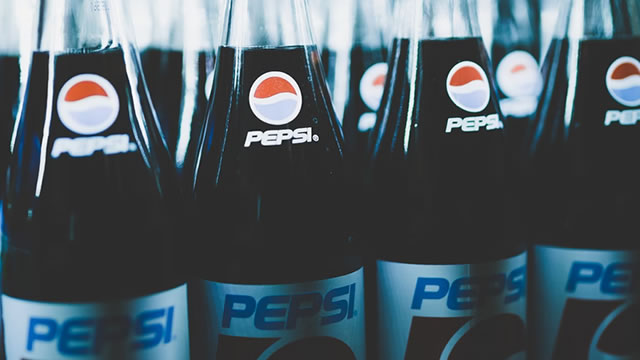
PepsiCo’s Q2 earnings were weaker than expected, but the article frames this as a potential buying opportunity rather than a fundamental concern. It argues the stock’s recent softness reflects near-term hiccups, positioning PEP as a premium consumer-staples holding. Overall, the message is investment-positive on valuation/entry timing despite the earnings weakness.
The setup is less about a fundamental inflection and more about positioning: PEP is the kind of defensive compounder that tends to get sold on a single-quarter miss, then recovers if the market concludes the issue is mix/timing rather than demand destruction. The short-term winner from any de-rating is usually the rest of staples with cleaner near-term optics — KO on beverages and a few pure-play food names — because capital rotates to whichever names still screen as “safe” with fewer moving parts. The loser, if this persists, is not just PEP equity but the broader premium staples multiple, since investors may start paying less for pricing power that is showing up more in revenue than in unit growth.
The real mechanism to watch is whether margin pressure is cyclical or structural. If volume softness is driven by consumers trading down and more promotional intensity at retail, then private label and value brands gain share over 1-3 quarters, and PEP’s mix advantage erodes before it can reprice the shelf. If, instead, this is mainly inventory normalization or a temporary reset in input-cost pass-through, the stock should recover faster than the market expects because the cash-flow profile still supports buybacks and dividend yield defense over 6-18 months.
Contrarian view: consensus may be too eager to treat any pullback as a gift in staples, but the category is not immune to demand elasticity and GLP-1/portion-shrink effects that can quietly cap unit growth. I would not chase here; the better risk/reward is to wait for either another leg lower that resets valuation or evidence on the next quarter that volumes stabilize. What would falsify the bullish thesis is another guidance cut, continued negative organic volume, or clear shelf-share loss versus KO/XLP peers over the next 1-2 quarters.
AI-powered research, real-time alerts, and portfolio analytics for institutional investors.
Overall Sentiment
neutral
Sentiment Score
-0.05
Ticker Sentiment
