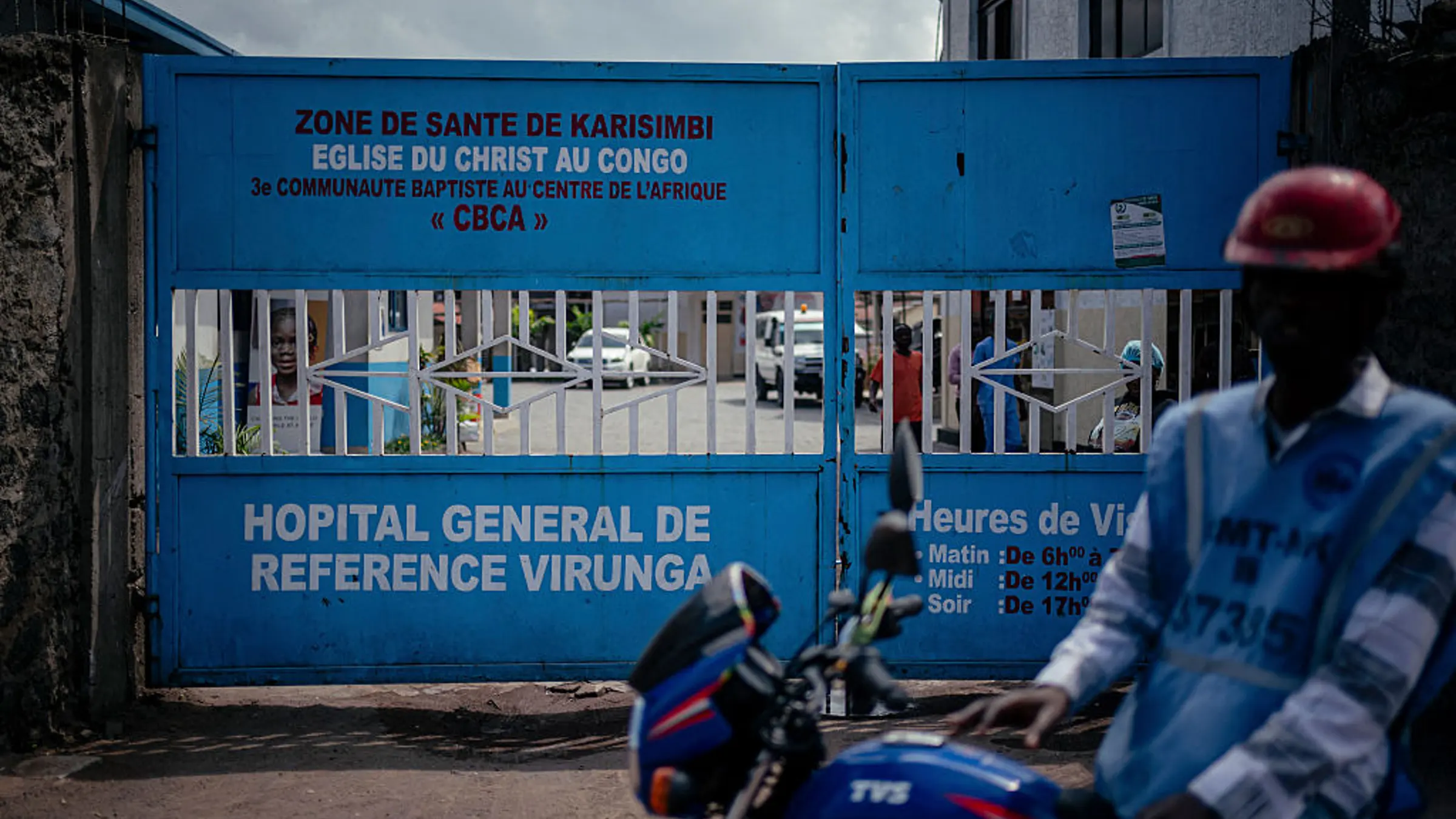
WHO declared the Ebola outbreak in Congo and Uganda a public health emergency of international concern after at least 88 deaths and more than 300 suspected cases, including cross-border spread into Kampala. The outbreak is being driven by the Bundibugyo strain, for which there are no approved virus-specific therapeutics or vaccines, and confirmation has been delayed by limited diagnostics. The combination of multiple affected health zones, urban exposure, and conflict-related access constraints raises the risk of broader regional escalation.
This is less a standalone health headline than a stress test of fragile systems: eastern Congo’s mining corridors, cross-border labor movement, and urban transit nodes create a transmission network that is hard to ring-fence. The market implication is not broad panic, but a higher probability of localized operational disruption in logistics, mining-adjacent services, border transport, and humanitarian procurement over the next 2-8 weeks as contact tracing, screening, and movement frictions intensify.
The second-order winner set is narrowly defined: diagnostics, cold-chain logistics, PPE, and selected vaccine/antiviral platform names should see procurement pull-forward even without a strain-specific approved solution. Contract manufacturers and distributors with Africa-facing public health exposure could see a burst of orders, while the losers are businesses dependent on uninterrupted labor mobility in the DRC-Uganda corridor, especially miners, trucking intermediaries, and regional consumer names with thin inventory buffers.
The key risk is not headline mortality alone, but detection lag. Because early tests missed the variant, the real case count could be materially higher than confirmed numbers, which raises the odds of a stepped-up response over the next 1-3 weeks and a broader policy reaction if cases continue to appear in major cities. A more aggressive containment posture would likely benefit companies with field-deployable diagnostics and outbreak-response logistics, but could also trigger temporary airport, border, and worksite interruptions that hurt EM sentiment and local currency stability.
Consensus may be underestimating how quickly this can become a procurement event rather than a pure epidemiology event. The rare strain and lack of approved targeted therapy make the near-term economic winner set more about spending acceleration than clinical efficacy, which tends to flow first to established large-cap suppliers rather than speculative biotech. The tradeable asymmetry is to own the picks-and-shovels names and fade overextended EM beta only if cross-border cases continue to compound.
AI-powered research, real-time alerts, and portfolio analytics for institutional investors.
Request DemoOverall Sentiment
strongly negative
Sentiment Score
-0.86
