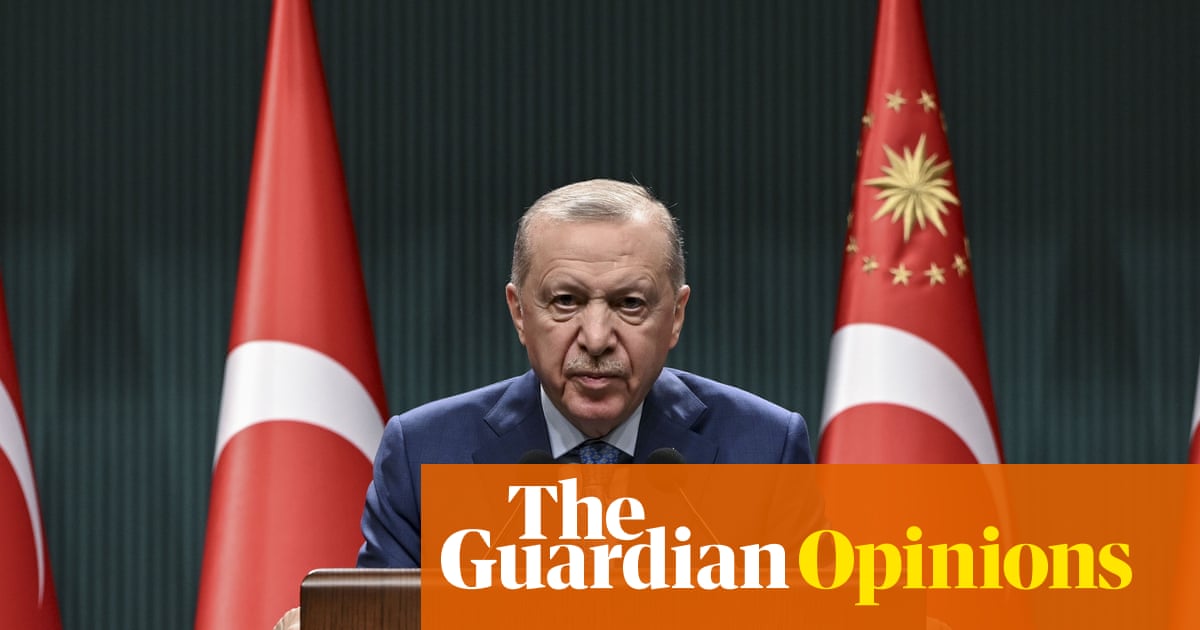
Turkey’s political risk intensified after an appeals court annulled the CHP’s 2023 leadership contest and removed Özgür Özel, widely viewed as an attempt to weaken the opposition ahead of the next presidential election. The decision triggered a 6% stock market drop and pushed the lira to record lows, underscoring elevated uncertainty around governance, the rule of law, and foreign investment. Inflation remains a problem, with the central bank lifting its 2025 target from 16% to 24%.
The market takeaway is not just “Turkey risk is rising,” but that the state is becoming more effective at controlling the political option set before election day. That matters because EM assets typically price the vote itself; here the more material discount is on the probability of a credible opposition slate, not on ballot-count integrity. The immediate consequence is a lower terminal value for Turkish equities and the lira, because policy continuity now depends less on macro stabilization and more on the durability of an increasingly personalized regime.
Second-order effects are likely to show up in capital flight channels before they show up in headline growth. Domestic households and corporates will keep dollarizing savings, while foreign investors will demand a higher political-risk premium for duration exposure, especially in local-currency bonds. The banking sector is vulnerable if authorities lean harder on directed lending or quasi-fiscal support to offset weak sentiment; that can compress NIMs in the near term and worsen asset-quality lag effects over 6-12 months.
The near-term catalyst path is asymmetric: courts, university closures, and further opposition arrests can trigger episodic selloffs within days, but the bigger move comes if early elections become the mechanism to re-open constitutional eligibility. That would likely be read as regime consolidation rather than democratization, because it extends optionality for the incumbent while keeping opposition fragmentation unresolved. The main counterpoint is that outright policy collapse is still constrained by external financing needs; the authorities cannot fully ignore FX stability without risking a balance-of-payments event.
Consensus may be overestimating the EU/US willingness to prioritize democracy over geopolitical stability. That means the lira can remain weaker for longer than typical political-risk models imply, but it also means outright sanctions risk is low absent a sharper crackdown. In other words, the trade is less about a single shock and more about a persistent governance discount that bleeds into valuation multiples and funding costs over quarters, not days.
AI-powered research, real-time alerts, and portfolio analytics for institutional investors.
Request DemoOverall Sentiment
strongly negative
Sentiment Score
-0.62
