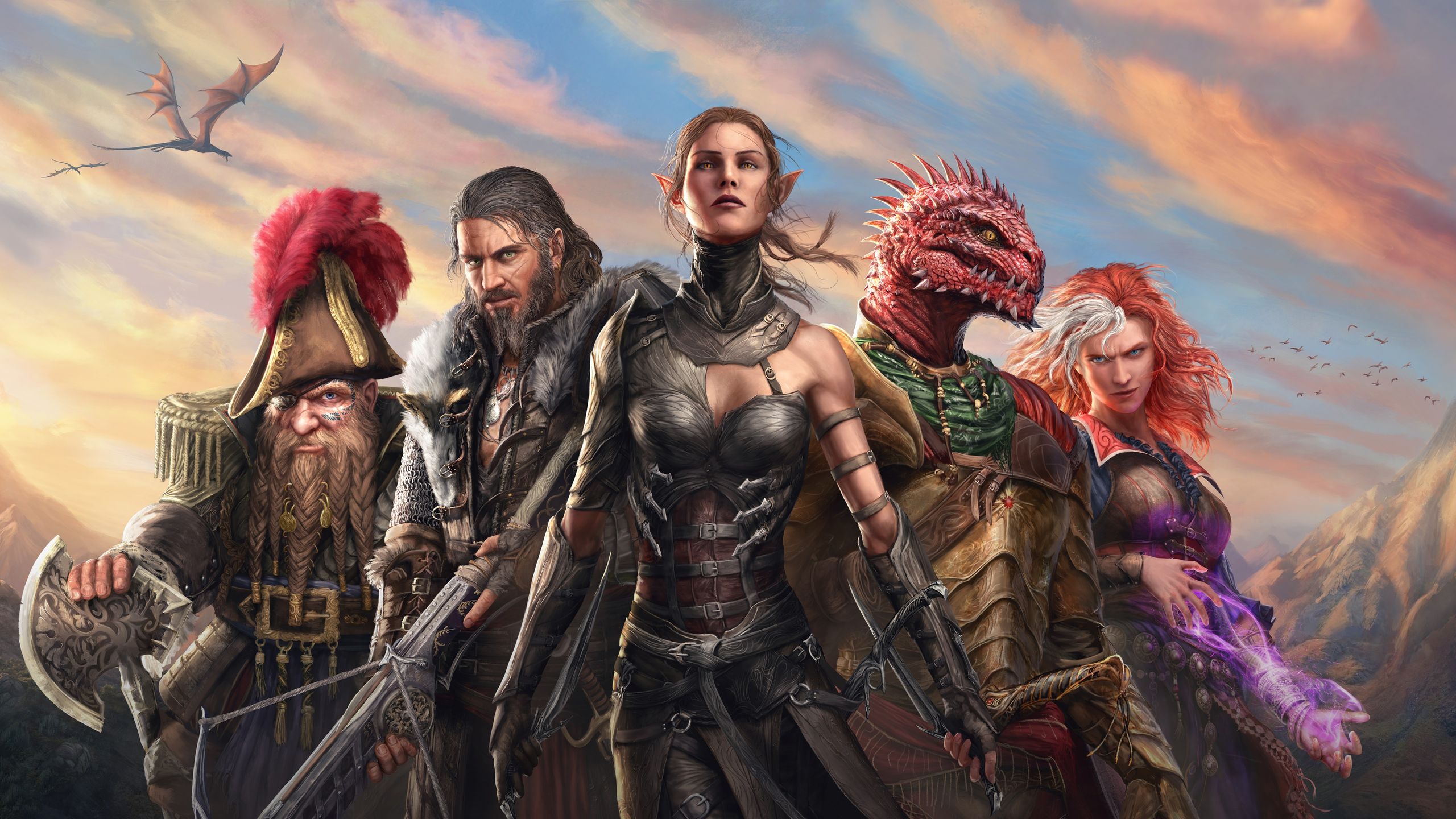
Larian Studios has experienced a notable resurgence in engagement and sales after the December 2025 reveal of a new Divinity title, with CEO Swen Vincke reporting ‘‘incredible’’ sales for both Baldur's Gate 3 (BG3) and Divinity: Original Sin 2 (D:OS2). BG3's daily average concurrent players on Steam has risen to over 100k while D:OS2 is averaging more than 27k concurrents in January—its best month since the 2017 launch and approaching a prior 30k post‑launch high—supported by a Definitive Edition console re-release and community teasers. The developments signal meaningful upside to Larian’s revenue and long‑tail monetization, but are unlikely to move broader public markets given the studio’s private status and the niche nature of the news.
Market structure: Larian’s re-ignited tail sales (BG3 daily avg >100k concurrents; D:OS2 ~27k) signal durable long-tail monetization for high-quality single-player RPGs. Winners include platform owners (SONY, MSFT) and publishers with deep back catalogs and low live-service churn; losers are pure-play, discovery-dependent live-service platforms whose ARPU depends on new content. Expect modest pricing power for premium single-player releases (5–15% higher ASP on consoles/PC over time) and sustained DLC/resale revenue that flattens quarter-to-quarter cyclicality.
Risk assessment: Tail risks include regulatory action on monetization (loot-box/FTC-style inquiries), major platform revenue-share shifts (e.g., Steam/Valve policy change), or a high-profile technical rollback on BG3 reducing player trust; each could cut lifetime revenue by >20%. Immediate (days) effects: sentiment moves around announcements; short-term (weeks/months): re-release windows and AMA teasers drive spikes; long-term (quarters/years): franchise lifetime value (LTV) grows if sequels/ports convert 10–25% of prior buyers. Hidden dependencies: modding community health, console exclusivity deals, and third-party publisher distribution agreements.
trade implications: Favor equities and call-spread exposure to SONY (console attach + back catalog), TTWO/EA (IP owners) sized 1–3% positions; consider shorting or underweighting live-service-native names (RBLX, ZNGA) 0.5–1.5% where user acquisition costs are rising. Use 3–9 month call spreads to cap premium (buy ATM, sell 10–20% OTM) ahead of major showcases; add 9–18 month LEAP calls on proven IP owners if first-month re-release sales exceed +50% vs. prior peaks. Rotate 5–10% of gaming allocation from ad-driven/mobile into AAA/console publishers over next 3–6 months.
contrarian angles: The market underestimates conversion of legacy back catalogs into multi-year revenue streams; consensus focuses on new-launch risk while ignoring 30–40% uplift that well-supported re-releases can generate. Reaction to short-lived player spikes is often overdone—if D:OS2 sustains >20k concurrents beyond 3 months, re-rate catalysts should follow. Historical parallel: Skyrim/Fallout back-catalog tail generated recurring DLC/mod-driven revenue for years; unintended consequence is higher M&A interest in indie studios—watch bid activity for small studios as an early signal.
AI-powered research, real-time alerts, and portfolio analytics for institutional investors.
Request DemoOverall Sentiment
moderately positive
Sentiment Score
0.45
