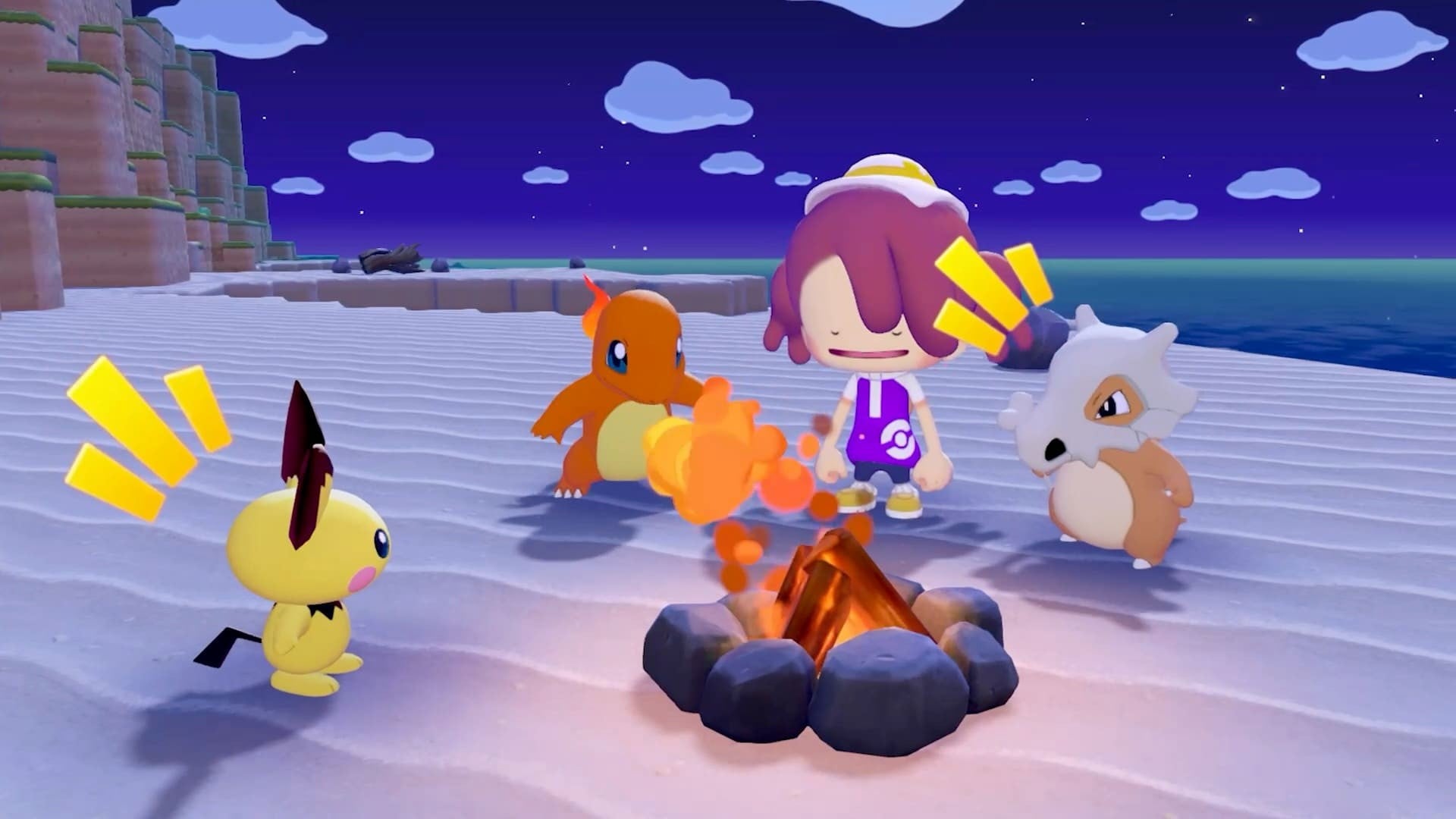
Pokémon Pokopia, a relaxing life-simulation title priced at $69.99 / £66.99, will release exclusively on Switch 2 on 5 March 2026 with digital preloads now live; the game was showcased in a Nintendo Treehouse segment highlighting single-player, multiplayer, Ditto mechanics and crafting. The launch is tied to Pokémon's 30th anniversary and is being supported by cross-promotion in Pokémon GO (costume Dittos event 10–16 March) and other franchise activity, which could modestly boost Switch 2 attach rates, digital sales and recurring engagement for Nintendo/The Pokémon Company but is unlikely to be materially market-moving on its own.
Market structure: Nintendo (7974.T / NTDOY) is the clear direct beneficiary — a $69.99 first‑party title timed to the 30th anniversary increases pricing power and digital spend per user, likely boosting Nintendo software revenue by an incremental ~3–8% over the next 12 months if attach rates mirror recent first‑party launches. Semiconductor vendors in the supply chain (NVDA, TSM) and electronics retailers (BBY) get a secondary uplift from higher Switch 2 SoC orders and launch‑period accessory demand, while small/indie third‑party publishers and physical‑first retailers (GME) face wallet‑share pressure from a marquee franchise pushing digital sales.
Risk assessment: Key tail risks are a hardware shortage or quality recall that could erase the launch bump, or poor reviews that reduce lifetime value — each would pressure Nintendo shares >15% in the short term. Timeframes: immediate (days) for sentiment/preload flows, short term (4–8 weeks) for first‑week sales/NPD data, and medium (3–12 months) for revenue recognition and supply‑chain throughput; hidden dependencies include Nvidia/TSMC capacity and Niantic cross‑promotion effectiveness. Catalysts: week‑one sell‑through, Nintendo’s March quarter guidance, and NPD/UK/JP launch numbers.
Trade implications: Favor concentrated, time‑boxed exposure to Nintendo and select semiconductors — establish small long positions into the event and hedge via options to cap downside. Avoid/trim exposure to physical‑retail and mid/small‑cap publishers ahead of concrete sell‑through data. Use 4–8 week option structures to monetize launch momentum while limiting premium decay; rotate proceeds into NVDA/TSM exposure over 1–3 quarters if supply orders materialize.
Contrarian angles: Consensus likely underestimates digital conversion and cross‑product LTV uplift from Pokémon GO tie‑ins (expect a 5–10% bump in mobile engagement during the two‑week event), but the market also understates downside if the hardware is constrained — think Wii U vs Switch dichotomy. Historical parallel: Switch launch created multi‑year tailwinds; conversely, a weak launch can compound losses quickly — position sizing and stop discipline are critical.
AI-powered research, real-time alerts, and portfolio analytics for institutional investors.
Request DemoOverall Sentiment
mildly positive
Sentiment Score
0.25
