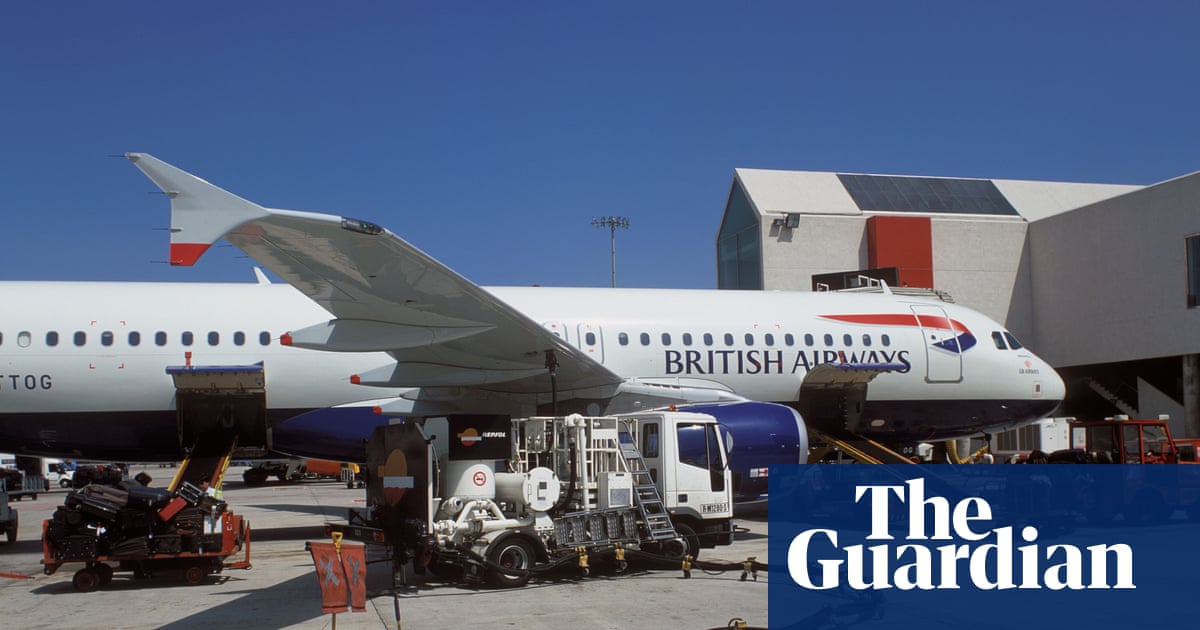
Europe has only about six weeks of jet fuel supply left, with the IEA warning flight cancellations could begin soon if Middle East oil flows are not restored. Brent crude remains more than 30% above prewar levels, adding pressure to petrol, gas and electricity prices and raising inflation risks. The article highlights escalating disruption from the US-Israel war on Iran and the potential for broader market and aviation impacts.
The market is still underpricing the bottleneck not in crude, but in middle distillates and logistics. Jet fuel is a narrow, highly regional market with limited substitute flexibility; once inventories fall below a few weeks, price spikes can become discontinuous because airlines cannot quickly reconfigure fuel sourcing or aircraft schedules. That creates a cleaner short-term shock in European aviation margins than in upstream energy, where higher crude prices are already partly reflected and where supply can eventually re-route.
The second-order winner is not just oil producers, but refiners with distillate exposure and access to non-Gulf barrels. European refiners with complex conversion units should see widening cracks if they can source feedstock, while pure transportation and leisure names face a double hit from both input costs and demand elasticity. The more fragile part of the ecosystem is the short-haul airline network: cancellations cascade into missed connections, lower load factors, and lower ancillary revenue, which can amplify earnings downside beyond the initial fuel cost shock.
Catalyst timing matters: this is a days-to-weeks problem, not a years-long thesis. The key reversal would be either a durable de-escalation that restores Hormuz flows or a surge in alternative supply that closes the distillate gap; absent that, every week of delay tightens the physical market and raises the odds of operational disruptions. If crude stays elevated while jet fuel inventories compress, the next leg is likely margin compression first, then visible capacity reductions and selective flight cancellations, which would be a stronger signal than spot oil alone.
Consensus may be too focused on headline crude and not enough on the asymmetry in aviation equities. Airlines with strong hedges may still underperform because the market tends to look through one-quarter fuel protection and price in the earnings reset once hedges roll off; meanwhile, the short thesis on weaker carriers can work even before actual cancellations appear. The contrarian risk is that a ceasefire or corridor reopening would unwind the fear premium quickly, so positioning should favor optionality over outright directional leverage.
AI-powered research, real-time alerts, and portfolio analytics for institutional investors.
Request DemoOverall Sentiment
strongly negative
Sentiment Score
-0.78
