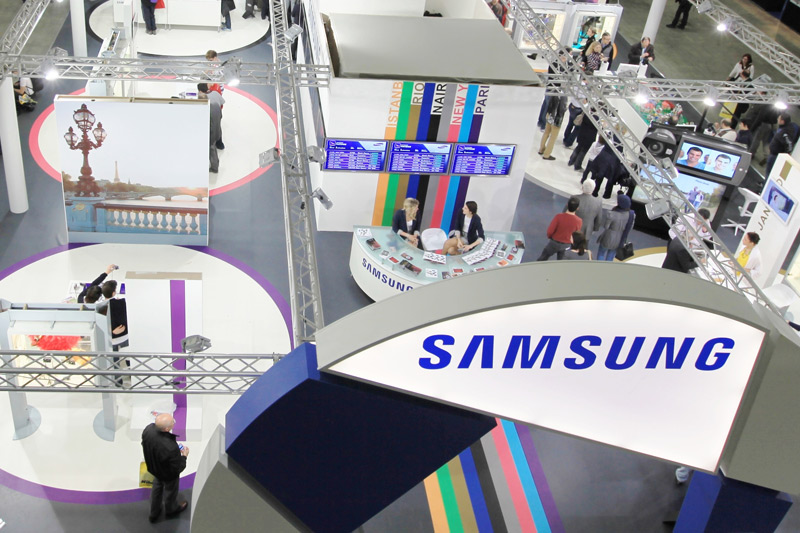
Samsung Electronics and SK Hynix are expected to announce investment plans totaling about 2,000 trillion won ($1.3 trillion) to expand South Korea’s semiconductor and AI infrastructure. Samsung may invest around 1,000 trillion won over the next decade, with SK Hynix expected to make a similar commitment, supporting new chip clusters, data centers, and physical AI projects across regional hubs. The scale of the spending is materially positive for semiconductor equipment, AI hardware supply chains, and Korea’s broader technology ecosystem.
This is less a single-company capex story than a multi-year signal that the AI buildout is moving from chip scarcity to regional infrastructure absorption. The near-term winners are not just memory suppliers, but anyone with exposure to power delivery, cooling, back-end packaging, and industrial construction around Korean data center clusters; the second-order effect is that bottlenecks likely migrate from wafers to grid capacity and permitting. That usually extends the cycle, because the constraint shifts from one high-margin node to a broader set of lower-margin enablers.
The competitive implication is that SK Hynix’s HBM leadership becomes harder to dislodge if the industry is willing to fund decade-long capacity expansion rather than chase short-cycle pricing. Samsung’s response suggests it is no longer trying to win only on cyclical inventory leverage; it is defending strategic share with structural capital, which should compress the probability of a sharp HBM supply squeeze but increase the odds of a longer, steadier upcycle. Outside Korea, the clearest pressure falls on less-capitalized DRAM and NAND peers that lack the balance sheet to match this pace, especially if customers lock in supply through multi-year AI procurement contracts.
The main risk is that the market extrapolates capex into immediate earnings without accounting for a 2-3 year cash conversion lag and eventual pricing normalization. If AI server demand decelerates, these spending plans can become a source of margin dilution rather than a catalyst, particularly if power or land constraints delay monetization. Over a multi-quarter horizon, the relevant tell is not headline capex, but whether hyperscalers and sovereign AI programs keep revising spend upward faster than semiconductor lead times.
AI-powered research, real-time alerts, and portfolio analytics for institutional investors.
Request DemoOverall Sentiment
moderately positive
Sentiment Score
0.60
