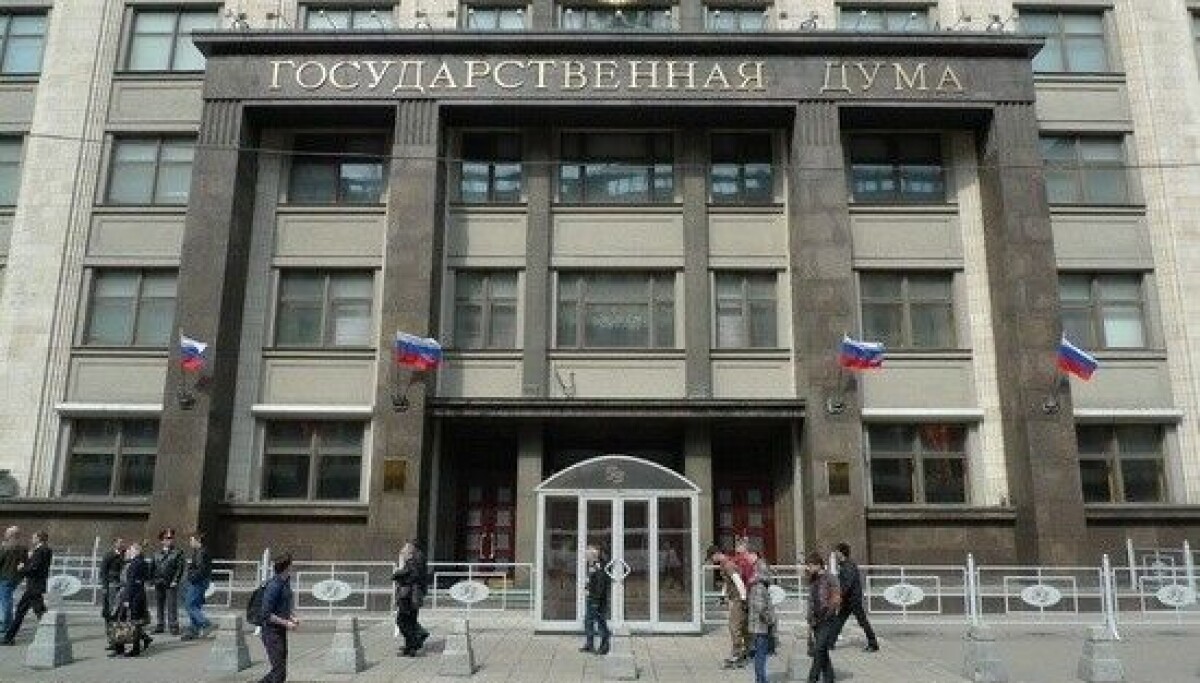
Russia’s State Duma passed a bill authorizing the use of armed forces to protect Russian citizens abroad, including in cases of arrest or foreign prosecution. The measure appears aimed at deterring detentions of Russians and countering ICC-related pressure, raising geopolitical risk and the perceived likelihood of escalation around future incidents involving Russia and neighboring states. Lawyer commentary framed the law as intimidation, potentially affecting diplomatic and security assessments in Europe.
This is less a discrete legal change than a formalization of hostage-risk as state policy. The key market effect is not immediate kinetic action, but a higher implied probability that Russia will use asymmetric coercion against NATO-adjacent states, which should widen the geopolitical risk premium on the Baltic corridor, Black Sea logistics, and any shipping linked to Russia sanctions enforcement. That premium likely shows up first in insurance, freight, and option skew rather than spot prices.
The second-order effect is on enforcement behavior: Western governments may become more cautious about detentions, seizures, and asset-forfeiture actions involving Russian nationals or shadow-fleet vessels. That could slightly reduce the aggressiveness of sanctions implementation at the margin, which is bullish for sanctioned-asset monetization and bearish for the credibility of future enforcement. It also raises the odds of retaliatory detention cycles, which increase the probability of prisoner-swap diplomacy as the default de-escalation mechanism.
The market may be underpricing how quickly this could translate into localized incidents rather than full-scale conflict. A Latvia or Poland provocation would be a days-to-weeks catalyst for defense, cyber, and European gas/security names; a broader escalation would take months and would likely be driven by a separate trigger, not this law alone. The contrarian read is that the legislation is partly signaling and deterrence theater, so the base case is not tanks moving, but a higher floor on headline volatility and a lower appetite for enforcement risk in Europe.
For portfolios, the best expression is to own optionality on Europe-specific geopolitical stress while avoiding outright macro Europe beta. The asymmetry favors cheap convexity: limited premium against a low-probability but high-gamma event, with the main loss being theta if the law remains rhetorical. That makes this more attractive as a 1-3 month event-driven hedge than a structural year-long thematic short.
AI-powered research, real-time alerts, and portfolio analytics for institutional investors.
Request DemoOverall Sentiment
moderately negative
Sentiment Score
-0.35
