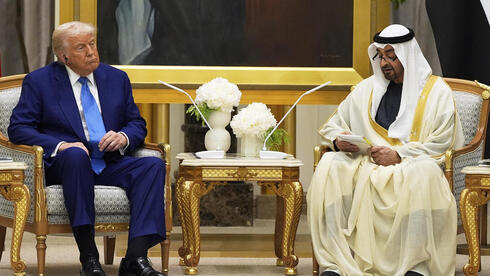
The UAE is being pulled deeper into the Iran conflict, with reports that it carried out strikes on Iran’s Lavan Island refinery in early April and that more than 2,800 missiles and drones have been launched at the UAE since the war began. The article also says U.S. officials are encouraging Abu Dhabi to take a more direct role, while Saudi Arabia and Qatar reportedly declined to join a coordinated response. The escalation points to higher regional security risk and potential disruption across Gulf energy and defense assets.
The market read-through is not just higher Middle East risk premia; it is a regime shift toward a more formalized UAE–US–Israel security stack that raises the probability of persistent disruption around Gulf infrastructure and maritime logistics. That matters because the UAE is both a capital hub and a transshipment node; even limited kinetic escalation can ripple into insurance costs, tanker routing, and project finance spreads across the GCC, with second-order pressure on regional banks, real estate, and sovereign issuance appetite. The fact pattern also strengthens the case that Gulf states may hedge less on energy supply security and more on defense procurement, benefiting Western primes and select cyber/electronic warfare vendors.
For energy, the direct supply shock is less important than the signaling effect: if the UAE and Saudi see domestic infrastructure as vulnerable, they will prioritize redundancy and capacity protection, which tends to keep a floor under regional risk premiums even absent outright outages. That supports crude volatility rather than a one-way spike; the bigger risk is intermittent strike/retaliation cycles over the next 1-3 months that create gap risk in futures and front-month refiners. A sustained calm would require a credible de-escalation channel plus visible restraint from proxy responses, which is hard to square with the current alliance hardening.
The underappreciated loser is the Gulf growth model itself. Investors often treat UAE sovereign-linked assets as quasi-stable EM duration, but a deeper security realignment can lift defense spending and external dependence while compressing valuations for tourism, aviation, and logistics plays if regional risk perceptions remain elevated. Over 6-12 months, this likely widens the dispersion between hard-currency sovereign credits with robust external buffers and local-currency/operating exposures tied to regional confidence.
AI-powered research, real-time alerts, and portfolio analytics for institutional investors.
Request DemoOverall Sentiment
strongly negative
Sentiment Score
-0.55
Ticker Sentiment
