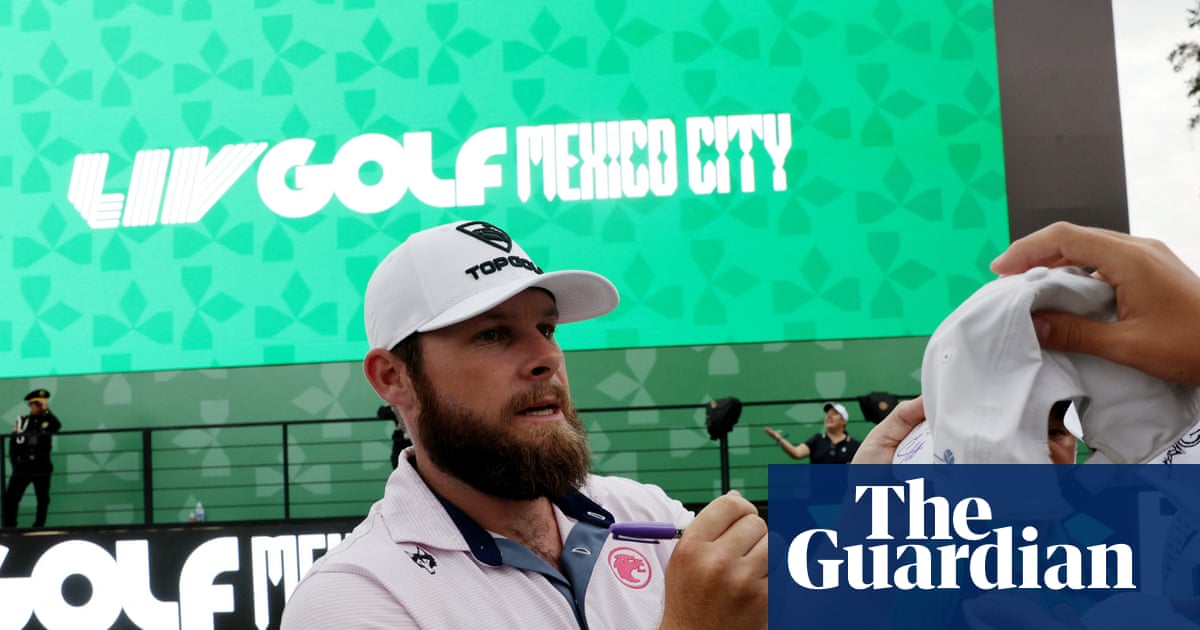
LIV Golf CEO Scott O’Neil said the league’s finances are "managed very tightly," structural changes are coming, and the business will probably need to raise money, though he insisted it will not fold. He cited nearly $500 million of sponsorship last year and said operating changes are expected as LIV continues to evolve, including a potential blend of its format with national opens. The comments follow reports that Saudi Arabia’s Public Investment Fund may cut funding, but no specific funding details were confirmed.
The important takeaway is not the headline funding noise; it is that the business appears to be moving from sponsor-backed burn to a more disciplined capital structure. That usually forces a reset in commercial terms: lower guaranteed spend, more variable athlete economics, and potentially fewer “must-win” inventory buys from blue-chip sponsors. In the near term, that is a quality-of-revenue issue more than a solvency issue, and it can pressure media-rights negotiations because counterparties will wait for a clearer equity story before committing long-duration dollars.
For HSBC, the read-through is subtle but favorable if the league’s international footprint keeps expanding in Asia and Australia. Global financial brands value incremental reach in markets where US sports inventory is weaker, and a tighter balance sheet can actually improve sponsor discipline by reducing wasteful activation spend and forcing better ROI measurement. The risk is that if restructuring turns into a capital raise with more perceived sponsor dependence, some corporates may delay renewals until pricing resets lower.
The second-order competitive effect is on incumbent golf ecosystems rather than on broader leisure demand. A financially constrained LIV likely accelerates convergence toward a more traditional tournament model, which narrows its differentiation and could weaken its ability to poach premium talent over time. That creates a medium-term tailwind for PGA Tour asset quality and media leverage, but only if the incumbent can avoid overpaying to defend share. The market’s bias is probably to overestimate immediate collapse risk and underestimate gradual dilution of LIV’s disruptive pricing power.
AI-powered research, real-time alerts, and portfolio analytics for institutional investors.
Request DemoOverall Sentiment
neutral
Sentiment Score
-0.10
Ticker Sentiment
