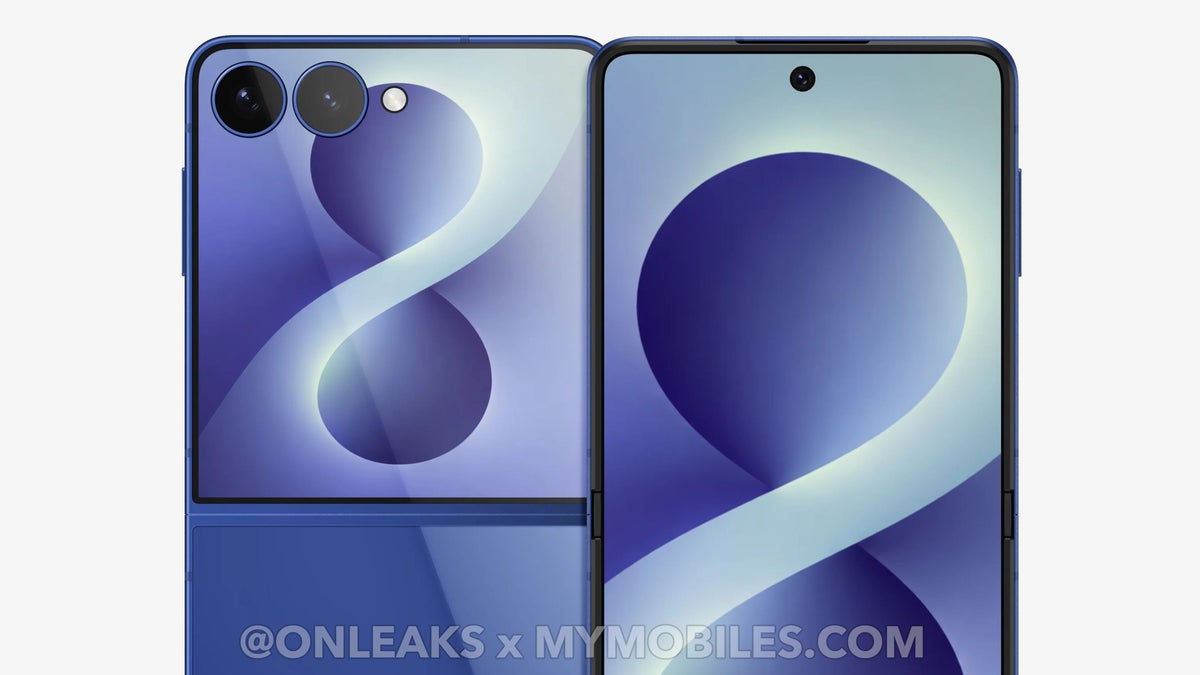
Samsung Galaxy Z Flip 8 leaked renders indicate only a 0.5 mm reduction in folded thickness versus the Galaxy Z Flip 7, with unchanged 6.9-inch inner and 4.1-inch outer displays. The main expected upgrades are an Exynos 2600 chipset, a slightly larger than 4,300 mAh battery, and a shallower display crease. The article frames the device as an incremental update ahead of a July launch, with limited likely market impact.
This reads less like a product reset and more like a deliberate margin-defense cycle. When a flagship foldable’s industrial design is effectively frozen, the competitive battleground shifts from aspiration to execution: yield, battery performance, hinge durability, and modem/SoC integration. That tends to favor the company with the deepest vertical integration and hurts smaller Android OEMs that rely on sharper cosmetic differentiation to justify premium pricing.
The second-order implication is that Samsung is prioritizing the broader foldable ecosystem over the clamshell SKU. If the new wide-format device gets the marketing oxygen, the Flip line becomes a cash-generative volume product rather than a halo story, which should improve supply chain predictability for display, hinge, and assembly partners. It also suggests less near-term risk of channel overhang from a flashy redesign that could have cannibalized the prior model within 1-2 quarters of launch.
For competitors, the key threat is not this phone itself, but the message it sends: Samsung sees enough demand elasticity to keep the Flip line incremental while redirecting innovation spend to a higher-stakes category. That raises the bar for Motorola, Oppo, and other foldable challengers that depend on spec-step-ups to gain share. The bigger medium-term variable is whether the slightly better battery and crease improvement are enough to sustain premium ASPs without a design refresh; if not, replacement cycles could elongate after the launch window.
Contrarian angle: the market may be overfocusing on the lack of design change and underestimating how much foldable demand is driven by reliability and perceived maturity. A near-identical form factor can actually reduce purchase hesitation, especially in a category where defect anxiety still matters. The real catalyst is not launch-day excitement, but post-launch review quality over the first 30-60 days, where small improvements in crease, thermals, and battery life can drive disproportionate sell-through.
AI-powered research, real-time alerts, and portfolio analytics for institutional investors.
Request DemoOverall Sentiment
neutral
Sentiment Score
0.05
