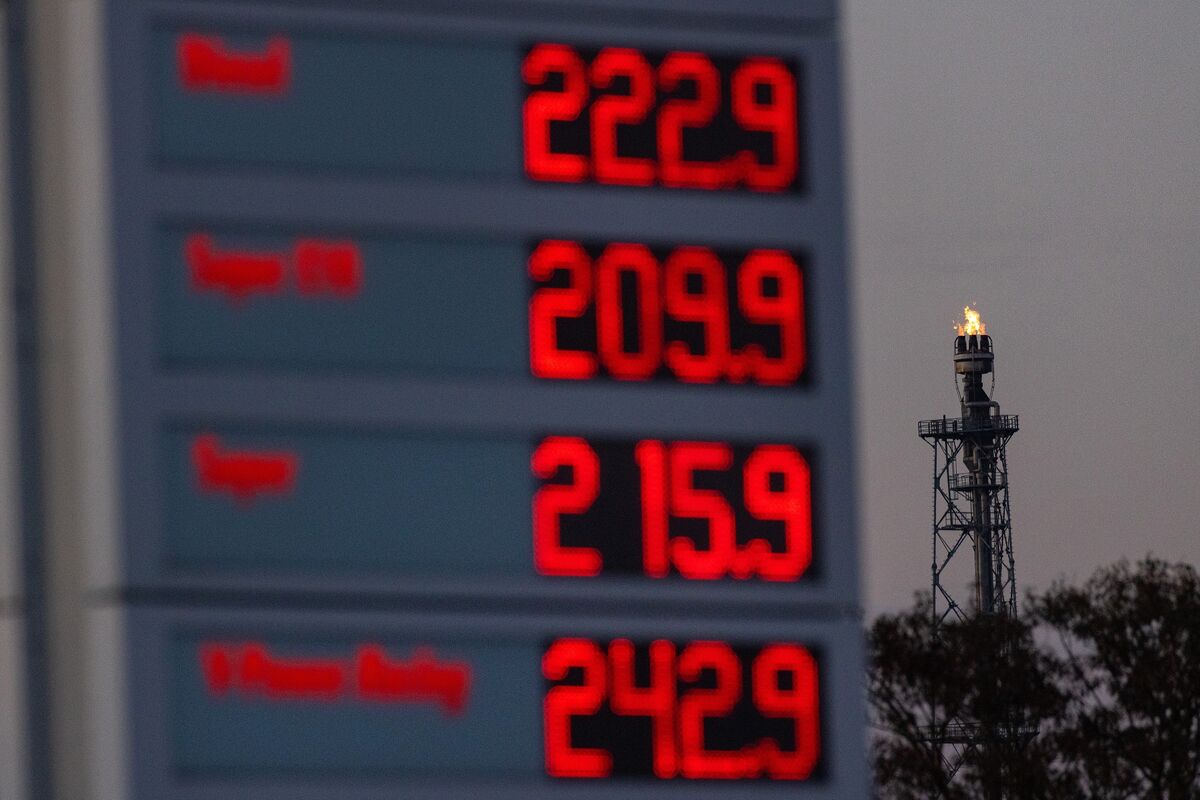
Germany is considering a windfall tax on oil companies to capture excess profits driven by surging crude prices amid a US-led war on Iran. Officials in Finance Minister Lars Klingbeil's office are examining an excess-profit levy to fund consumer relief, with one option to boost commuter allowances. The proposal raises downside pressure on oil majors' margins and could become a focal point in domestic fiscal policy and energy-market reactions.
A targeted excess-profit levy on energy cashflows creates a carve-out effect: upstream producers with flexible export routes and US-listed independents can preserve incremental dollar margin by booking sales outside the taxing jurisdiction, while trading-led and downstream businesses that physically settle and book profits locally will see the largest near-term cash-flow hit. A 25–35% levy on “super-normal” refining/trading income would not change reserve economics but could reduce near-term FCF for Europe-booked refining/trading units by an order of magnitude (low double-digit %), forcing immediate rebooking, transfer-pricing disputes and higher compliance costs over 3–12 months.
Second-order supply shifts will be material: European refiners disincentivized from selling products into a taxed domestic market will divert volumes to long-haul buyers, tightening coastal product differentials and lifting LR2/AFR tanker demand and freight rates within 1–3 months. At the same time, any consumer relief that raises commuter allowances is likely to add modest domestic hydrocarbon demand (high single-digit to low double-digit kbpd at the national level), exacerbating regional product tightness and supporting refining margins absent swift capacity redeployment.
Key catalysts to monitor are: drafting timeline and look-back period (a short retroactive window magnifies near-term booked profits and litigation risk), EU-level coordination (harmonization would amplify impact), and oil-price trajectories (sustained Brent >$85 materially changes political math). The contrarian angle: markets tend to lump all energy names together — the differentiated exposure between booking-heavy European integrated units and export-capable independents is underappreciated and presents cleaner relative-value opportunities over the next 3–12 months.
AI-powered research, real-time alerts, and portfolio analytics for institutional investors.
Request DemoOverall Sentiment
neutral
Sentiment Score
0.00
