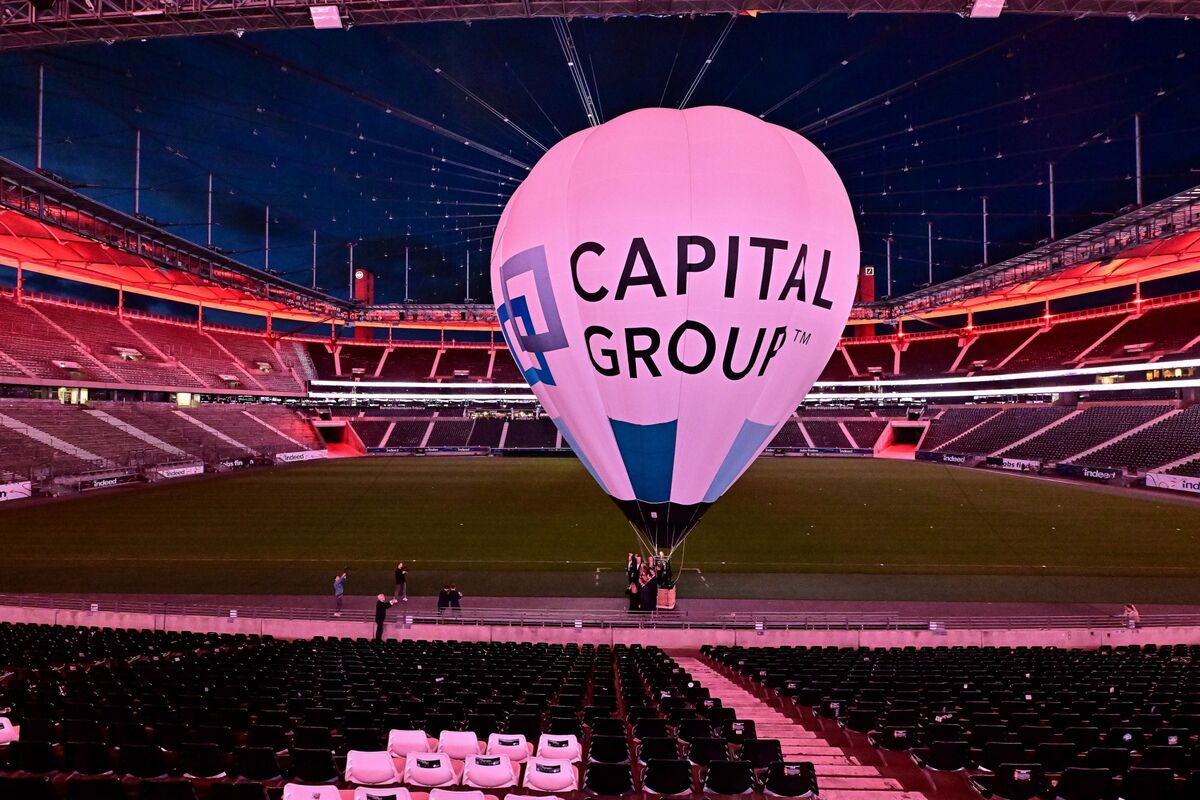
Capital Group, the $3.3 trillion active-only manager approaching its centenary, is shifting from a low-profile stance to actively embracing private assets, positioning itself to spotlight and potentially grow its private-markets activities. The move underscores a broader trend among large asset managers — referenced alongside A$4.5 trillion dynamics and related BlackRock M&A context in the newsletter — that could reallocate institutional flows toward private equity and reshape deal-making and fundraising dynamics in private markets.
Market structure: Large, integrated asset managers and private-asset GPs (private credit, buyout, infrastructure) are the primary beneficiaries as institutional flows (pensions, sovereigns) reallocate 2–5% annually from public to private; expect upward pressure on private deal valuations (5–10% premium) and fee pools, with smaller active managers and high-turnover small-cap stocks losing liquidity and pricing power. Competitive dynamics shift toward scale and originations — firms with distribution + underwriting (e.g., BX, KKR, ARES) gain share; ETF/ index providers and retail-facing active managers face margin compression.
Risk assessment: Tail risks include a regulatory clampdown (EU/US transparency rules or tighter accreditation limiting retail access) or a rapid rate shock that forces private-markdown cascades; probability low but impact high (30–50% mark-to-market stress in levered deals). Near-term (0–3 months) impacts are sentiment and fund flow shifts; medium (3–12 months) sees fundraising and deal competition; long-term (1–5 years) is structural reallocation of AUM. Hidden dependencies: liquidity mismatches in funds, repo/levered financing for buyouts, and sanctions/expo-control compliance on cross-border deals.
Trade implications: Favor listed private-asset franchises and yield vehicles: initiate 2–3% long positions in BX and ARES (ARRR) with 6–12 month horizon, targeting 15–30% upside from multiple expansion and fee income; buy ARCC for 6–8% current yield if credit selection is strong. Implement a 1–2% portfolio hedge via 3–6 month puts on IWM or a small-cap basket to protect against public-market liquidity shocks; consider 6–9 month call spreads on BX/KKR to lever upside while capping cost.
Contrarian angles: Consensus underestimates redemption/liquidity risk — private-asset froth can reverse quickly if fundraising stalls or rates spike, creating buying windows; historical parallel: 2006–09 PE mark downs. Reaction may be underdone in listed GPs but overdone in junior lenders exposed to levered sponsor-backed loans. Unintended consequence: shrinking public float could increase episodic volatility — favor managers with long-dated capital and low NAV-based leverage.
AI-powered research, real-time alerts, and portfolio analytics for institutional investors.
Request DemoOverall Sentiment
mildly positive
Sentiment Score
0.25
Ticker Sentiment
