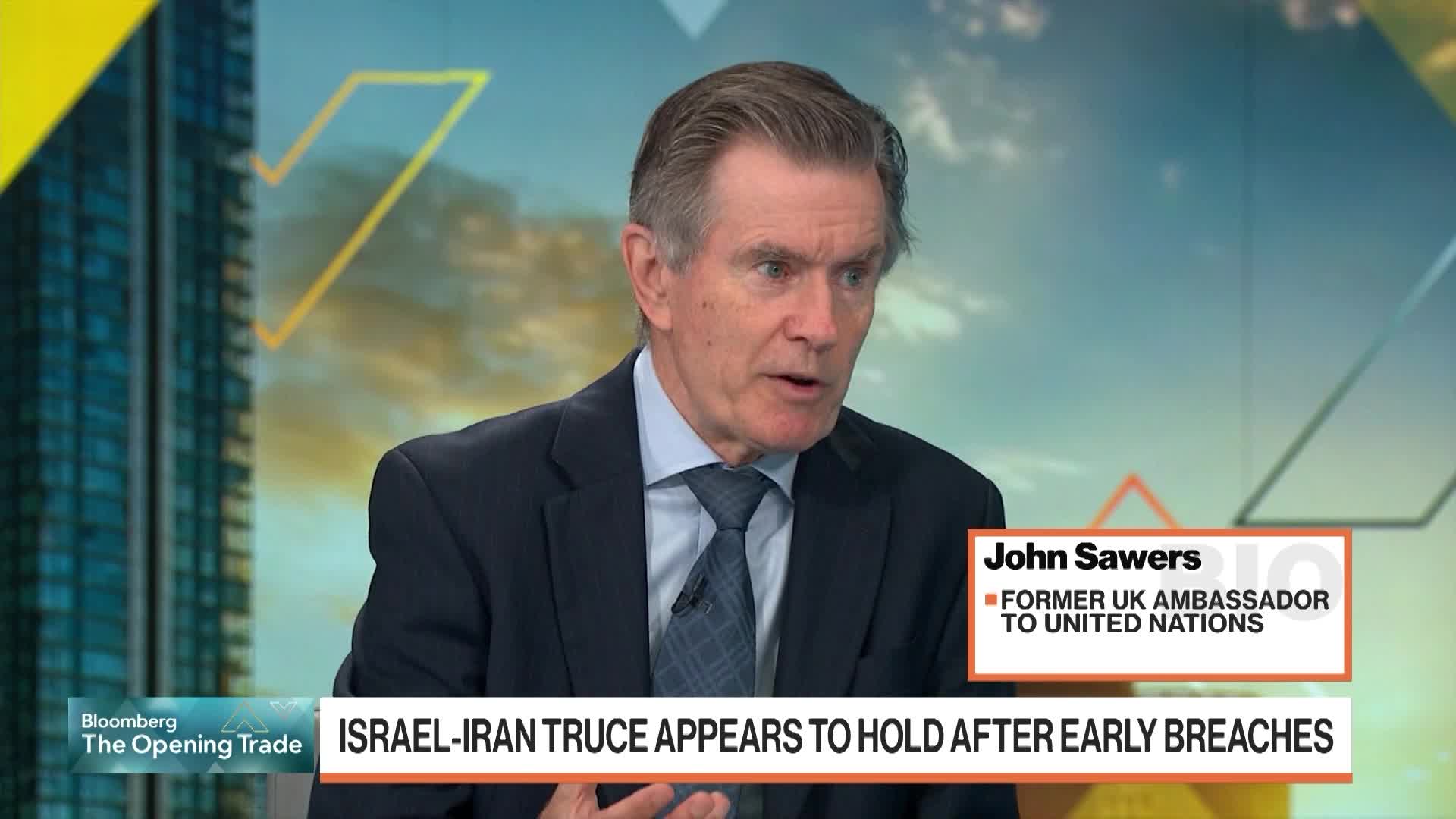
A former MI6 chief, highlighted by Bloomberg, asserts that the geopolitical challenges surrounding Iran are enduring. This perspective signals a sustained source of regional instability and potential ongoing implications for global energy markets and broader investment risk, necessitating continued monitoring by institutional investors.
A statement from a former MI6 chief, reported by Bloomberg, indicates that the geopolitical challenges posed by Iran are a persistent and long-term issue. This assessment carries a moderately negative sentiment and a pessimistic tone, highlighting sustained regional instability as a key investment risk factor. The identified themes of "Geopolitics & War" and "Sanctions & Export Controls" suggest that the situation will likely continue to influence global energy markets and international relations. With a moderate market impact score of 0.45, this issue is positioned not as an immediate market-moving crisis, but as a significant, ongoing background risk that could escalate and affect asset prices, particularly in the energy sector and other correlated markets.
AI-powered research, real-time alerts, and portfolio analytics for institutional investors.
Request DemoOverall Sentiment
moderately negative
Sentiment Score
-0.50
