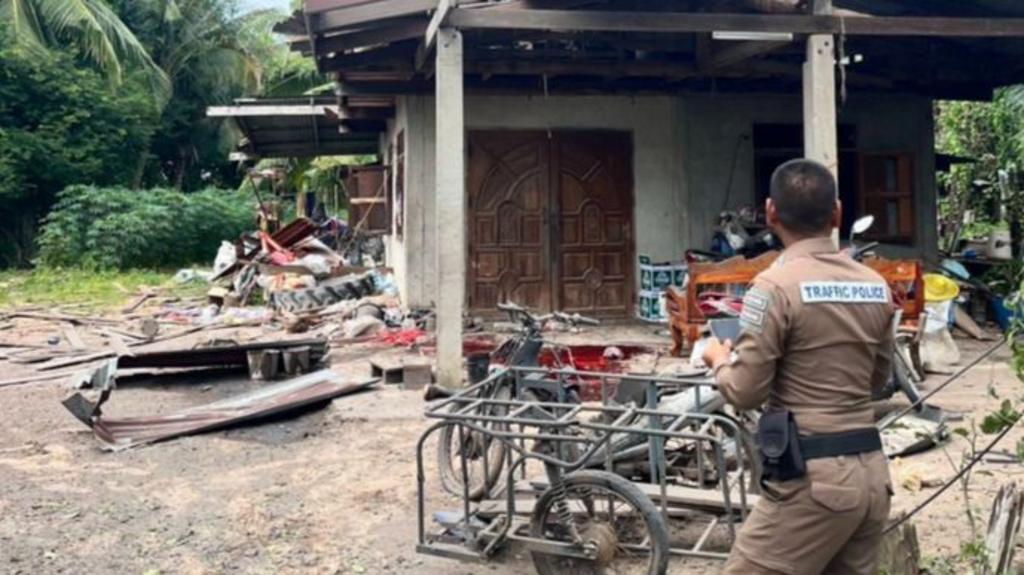
An escalation of the long-standing Thai-Cambodian border dispute has resulted in at least 12 deaths, primarily Thai civilians, following intense clashes involving artillery, rockets, and Thai fighter jet deployment. Both nations accuse each other of initiating the hostilities, prompting regional calls for de-escalation and mediation, notably from Malaysian Prime Minister Anwar Ibrahim. This conflict poses a significant geopolitical risk, potentially impacting regional stability and investor sentiment in Southeast Asia.
A significant escalation in the long-standing Thai-Cambodian border dispute has introduced acute geopolitical risk to the region. The conflict has progressed to active military engagement, involving artillery, rockets, and the deployment of Thai fighter jets, resulting in at least 12 confirmed fatalities, mostly civilians. Conflicting official statements, with both Bangkok and Phnom Penh accusing the other of initiating the hostilities, create a high degree of uncertainty and complicate potential diplomatic resolutions. While regional actors, such as Malaysia's Prime Minister, are calling for de-escalation, the current situation represents a material threat to stability. The strongly negative sentiment and 'Geopolitics & War' theme classification underscore the severity, directly impacting the sovereign risk profiles of both Thailand and Cambodia and potentially affecting regional investor confidence.
AI-powered research, real-time alerts, and portfolio analytics for institutional investors.
Request DemoOverall Sentiment
strongly negative
Sentiment Score
-0.80
