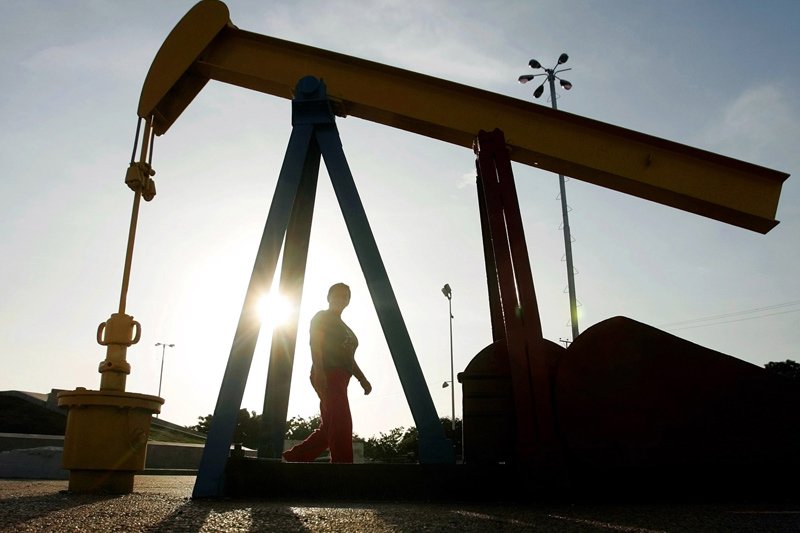
Approximately 230 vessels loaded with oil are waiting to sail as Iran has largely closed the Strait of Hormuz since late February, prompting Gulf producers to shut in oil, gas and refined-product output and driving oil prices above $100/bbl. ADNOC CEO Sultan Al Jaber called Tehran’s supervised-transit requirement 'unacceptable,' said Adnoc has loaded cargoes and will expand production only within constraints from war-related infrastructure damage, and characterized the blockage as economic terrorism.
The immediate market reaction (risk-off) understates a durable procurement response: corporates and hyperscalers facing supply-chain fragility will front-load or shift server orders to vendors with short lead times and flexible assembly footprints. That structural shift favors OEMs with configurable SKUs and fast turnarounds — amplifying near-term order visibility for systems suppliers for the next 3–9 months even if macro growth softens.
A persistent higher-oil regime raises operating costs (insurance, rerouting) which will shave margins for logistics-heavy vendors and depress discretionary ad budgets over 2–6 quarters; that is the principal tail risk for ad-driven revenue models. Conversely, defense, onshore data-center builds, and firms offering rapid fulfillment gain pricing power — expect capex reallocation signals within 4–12 weeks as CFOs approve contingency projects.
Catalysts that can flip sentiment quickly are binary: a verified, sustained reopening of shipping lanes (days–weeks) would remove the logistical premium and re-rate energy/transport equities while compressing the upside case for front-loaded server orders. A prolonged blockade (>30–60 days) would make the short-term tech drawdown structural, lowering ad spend and consumer demand, forcing a three- to six-month reset in multiples and budget cycles.
The consensus trade is blanket risk-off; the contrarian is selective: isolate idiosyncratic AI systems exposure (capture front-loaded orders) while hedging macro beta. Position sizing should assume a 20–35% realized volatility regime and explicit stop triggers tied to oil thresholds and market breadth metrics.
AI-powered research, real-time alerts, and portfolio analytics for institutional investors.
Overall Sentiment
strongly negative
Sentiment Score
-0.65
Ticker Sentiment
