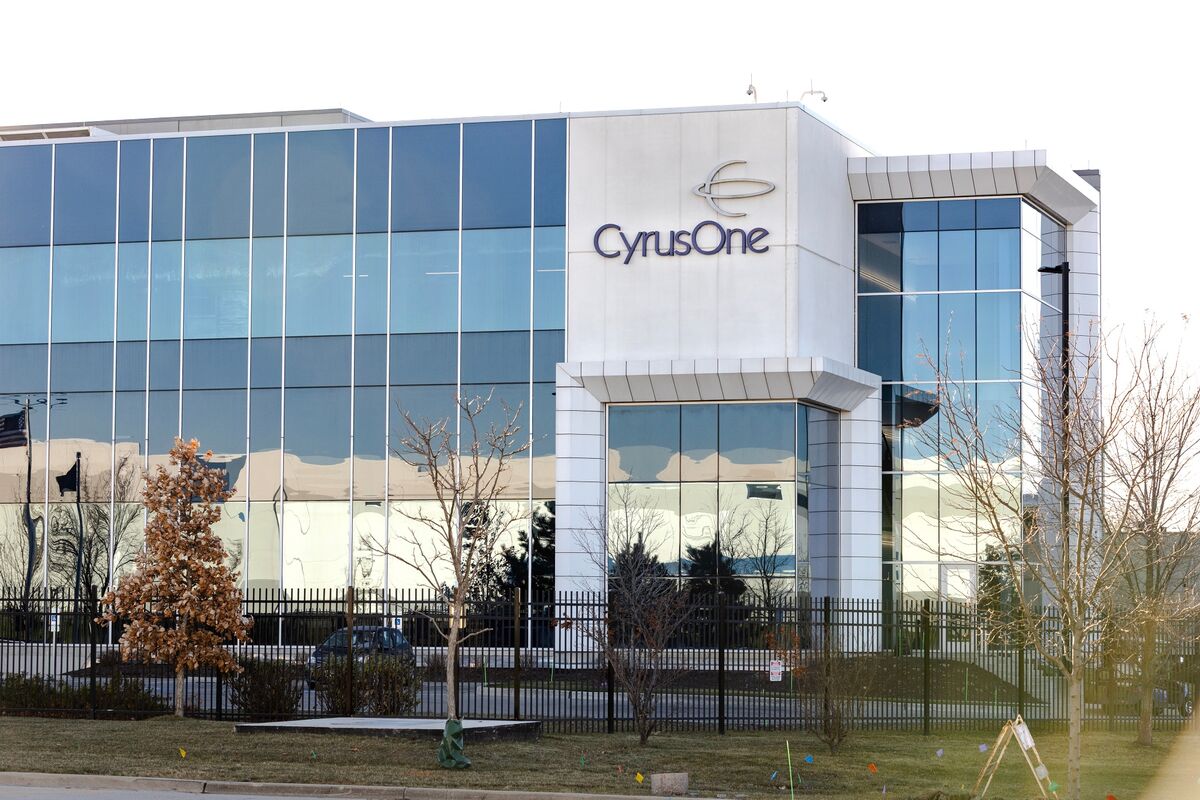
A private-equity-owned, 450,000-square-foot data center in Aurora, Illinois—CME Group's primary digital hub for nearly two decades—was implicated in a major outage that disrupted the world's largest futures exchange. The facility, through which an estimated $25 quadrillion of notional daily trade volume (2018 estimate) passes, is a focal point for high-frequency traders who colocate equipment and install antennas to shave latency, highlighting concentrated operational and infrastructure risk for derivatives markets.
Market structure: The outage concentrates downside on CME (ticker CME) and market-makers that rely on the Aurora colocated hub; expect 1–5% short-term volume migration to alternative clearing venues and matching engines (reducing CME’s intraday fee capture by a few basis points for weeks). Public data‑center REITs with diversified footprints (EQIX, DLR) and cloud providers (AMZN, MSFT) are potential beneficiaries as customers seek multi‑site redundancy, likely supporting modest re‑rating of colo rents (+~50–150bp) in the 3–12 month window.
Risk assessment: Tail risks include a multi‑day settlement failure triggering systemic margin calls and liquidity squeezes that could force broker deleveraging and cross‑asset volatility; probability low (<5%) but impact high (equity drawdowns >10%). Immediate risks (days) are order flow and reputational hits to CME; medium term (weeks–months) legal/regulatory fines or mandated capex (>$100–300m) compressing margins; long term (quarters–years) is structural shift to decentralized/multi‑venue trading.
Trade implications: Tactical trades: short CME using limited‑loss put spreads 3–6 months out to capture reputational premium; go long EQIX/DLR exposure to seize colo demand reallocation. Hedge macro contagion with 1–2% of portfolio in short‑dated VIX call spreads (30–60 day) to protect against liquidity shocks; consider pair trade long EQIX (+2%) / short CME (−1–2%) sized to beta.
Contrarian angles: Consensus assumes persistent revenue loss for CME; history (1987/2010 outages) shows transient hits and subsequent recovery if governance improves—if regulatory fallout is contained, CME could be a buy on weakness within 6–12 months. Second‑order: increased capex for redundancy favors large public REITs able to acquire regional colo assets from private equity at a premium, creating M&A alpha; monitor for fire‑sale opportunities.
AI-powered research, real-time alerts, and portfolio analytics for institutional investors.
Request DemoOverall Sentiment
moderately negative
Sentiment Score
-0.35
Ticker Sentiment
