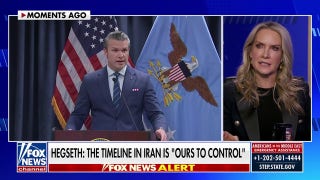
U.S. officials say Iran’s strikes on neighboring countries have driven Gulf states closer to Washington as the U.S. prepares to dramatically increase bomber operations and basing access (including British-controlled facilities); Pentagon officials report nearly 200 targets struck in 72 hours and the destruction of more than 30 Iranian naval vessels. The consolidation of regional alignment reduces diplomatic isolation of U.S. operations but raises geopolitical risk that could increase upside pressure on defense contractors and produce heightened volatility in regional assets and energy markets while the campaign aims to degrade Iran’s ability to threaten Americans and neighbors.
Market structure: Defense primes (LMT, RTX, NOC, GD) and tactical suppliers (munitions, tanker logistics, ISR services) are immediate winners as basing/air operations expand; energy majors (XOM, CVX) gain if supply-risk pushes Brent >$90. Airlines, leisure travel (JETS) and regional insurers/reinsurers face revenue and underwriting pressure from airspace closures and higher war-risk premia. Cross-asset: expect a near-term risk-off bid into USD, gold (GLD), and short-term Treasuries, while oil and freight-insurance spreads widen.
Risk assessment: Tail risks include full regional war (Brent >$150, global growth shock) or major supply-chain cyberattacks; low-probability but >5% conditional on miscalculation. Timeline: days = volatility spike, flight cancellations, crude moves ±10–25%; weeks–months = defense contract acceleration and supply-chain strain; 3–24 months = fiscal and geopolitical realignment that solidifies defense revenue streams. Key hidden dependency: munitions and specialty components constrained by single-source suppliers and export controls, creating delivery lags.
Trade implications: Favor liquid ways to express defense upside (6–12 month calls/call-spreads on LMT/RTX) and tactical oil exposure (Brent futures or XLE) while shorting travel (JETS, AAL) via put spreads; hedge equities with low-cost SPX put spreads or VIX calls if VIX>25. Monitor triggers: add if Brent >$90 or CENTCOM reports additional basing agreements; reduce if diplomatic de-escalation or Brent drops below $80.
Contrarian angle: Consensus overweights pure energy plays and front-loaded defense equities; consider that stronger Gulf alignment with US could normalize oil within 6–12 months, capping upside — so prefer options structures (call-spreads, LEAPs sold against) over outright longs. Historical parallels (post-Gulf War) show commodity spikes retracing while defense firms sustain multi-year revenue uplift from follow-on basing/logistics contracts, favoring selected multi-year LEAPs over spot commodity bets.
AI-powered research, real-time alerts, and portfolio analytics for institutional investors.
Request TrialOverall Sentiment
moderately negative
Sentiment Score
-0.45
