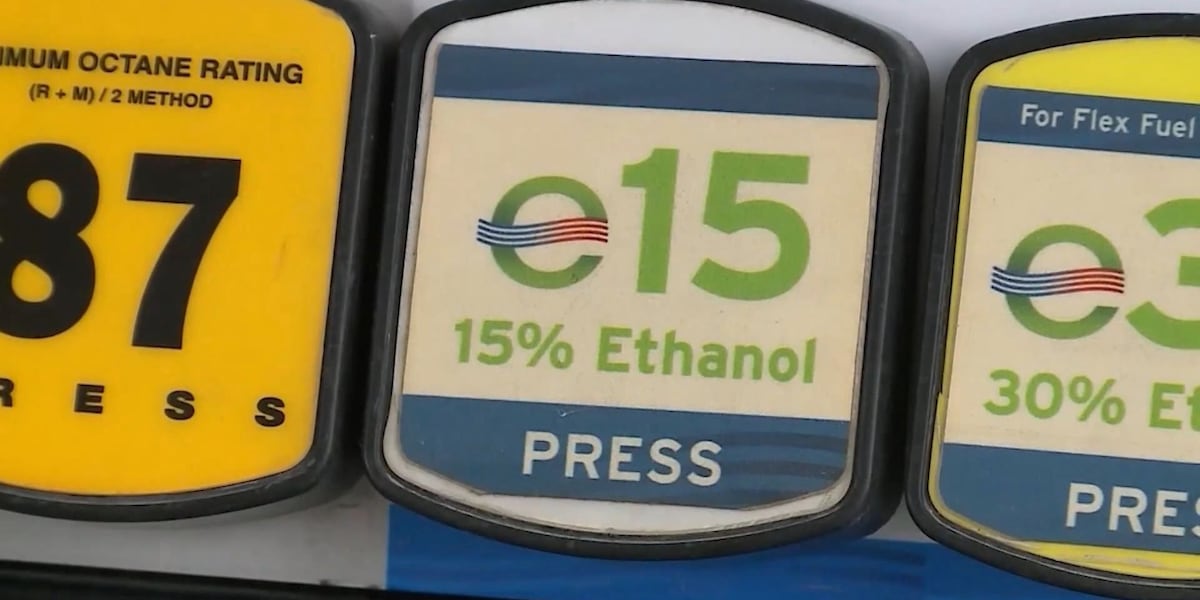
The EPA granted an emergency waiver allowing all states to sell E15 gasoline, a fuel blend with 15% ethanol, to help support U.S. gas supplies and keep prices affordable through the summer. The article mainly clarifies which vehicles can and cannot use E15: flexible-fuel vehicles and conventional vehicles model year 2001 and newer are approved, while motorcycles, heavy-duty engines, off-road vehicles, lawn equipment, and older cars are prohibited. The piece is informational and regulatory in nature, with limited direct market impact.
The immediate market impact is not in fuel prices themselves but in who gets to capture the distribution and compliance friction. E15 expansion modestly improves terminal demand for ethanol-blended gasoline, which is incrementally constructive for ethanol producers and rail/terminal operators that move blendstock, while narrowing the moat of retailers that are slow to retrofit pumps and signage. The bigger second-order effect is that the waiver shifts volume toward regions with limited product flexibility, so local basis spreads and logistics bottlenecks matter more than national headline pricing.
The loser set is more interesting than the winner set. Small-engine OEMs, repair shops, and aftermarket parts channels can see a near-term bump if consumers misfuel or if retailers warn away from E15, but over a 3-12 month horizon the risk is accelerated wear complaints and warranty noise that could depress confidence in older vehicles and off-road equipment. That creates a lagged demand headwind for gasoline equipment replacement cycles and a modest tailwind for electrified lawn and handheld tools, where consumers may view compatibility as a hidden cost of ICE ownership.
Consensus is likely underestimating how little this changes aggregate U.S. gasoline fundamentals. E15 is a supply-management tool, not a structural demand unlock; if crude softens or refinery utilization normalizes, the pricing benefit disappears quickly. The real catalyst to watch is state-level retail adoption: if major chains roll out E15 signage and pumps over the next 1-2 quarters, the policy becomes commercially meaningful; if not, the waiver remains mostly symbolic and the trade should fade.
AI-powered research, real-time alerts, and portfolio analytics for institutional investors.
Request DemoOverall Sentiment
neutral
Sentiment Score
0.05
