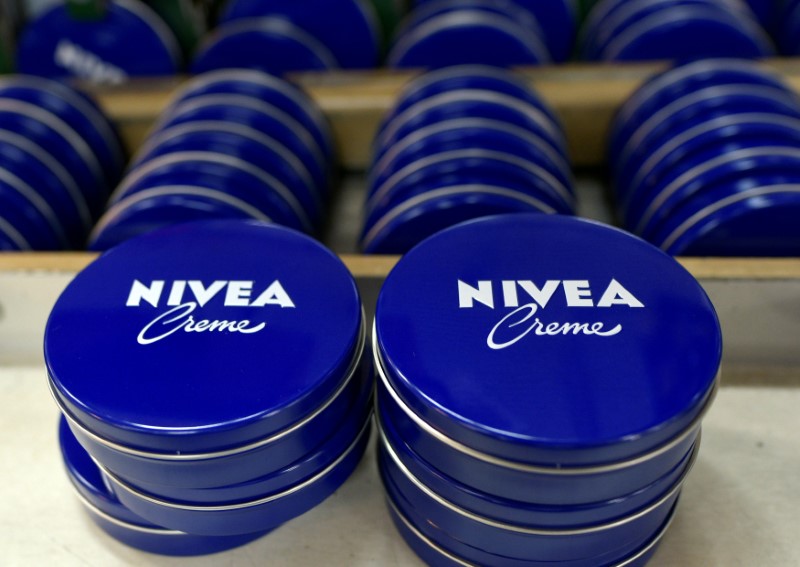
Beiersdorf's Q1 organic sales fell 4.6% year-on-year to about €2.5B, missing both consensus (-3.1%) and company guidance for a low single-digit decline. Core NIVEA sales dropped 7.0%, offsetting 8.2% growth in the Derma unit, while La Prairie fell 14.9%. The company reiterated full-year guidance for flat to slightly up organic sales, but analysts flagged the quarter as well below expectations and questioned guidance credibility.
The key signal is not a one-quarter miss; it’s that the company is likely facing a mix-shift problem where its premium dermatology engine is not yet large enough to offset volume leakage in the mass brand. That creates a higher-risk earnings profile because the fallback lever is either pricing or marketing intensity, both of which can compress margins for multiple quarters before demand stabilizes. In other words, the market is likely underestimating how long it can take to repair a brand-led franchise once sell-through weakens at the core.
From a competitive lens, the weakness in the mainstream skincare lane is constructive for private-label and value-oriented competitors, while the dermatology outperformance suggests the category is bifurcating into “medical efficacy” and “commodity beauty.” If management is forced into heavier promo spend to defend share, the second-order winners are likely retailers and channel partners that can negotiate better trade terms, while rivals with more flexible ad budgets can opportunistically take shelf space. That also raises the odds of a broader promotional reset across European personal care if the weakness persists into the summer.
The catalyst window is months, not days: the next few monthly sell-through prints and management commentary on pricing discipline will matter more than the headline quarterly numbers. A credible turnaround would likely require either an explicit brand investment plan or evidence that March was an anomaly rather than a trend, and absent that, the stock could remain a value trap even near multi-year lows. The contrarian case is that expectations may already be low enough for any sequential stabilization to trigger a relief rally, but that only works if the market believes the margin floor is intact; right now it doesn’t.
AI-powered research, real-time alerts, and portfolio analytics for institutional investors.
Overall Sentiment
moderately negative
Sentiment Score
-0.45
