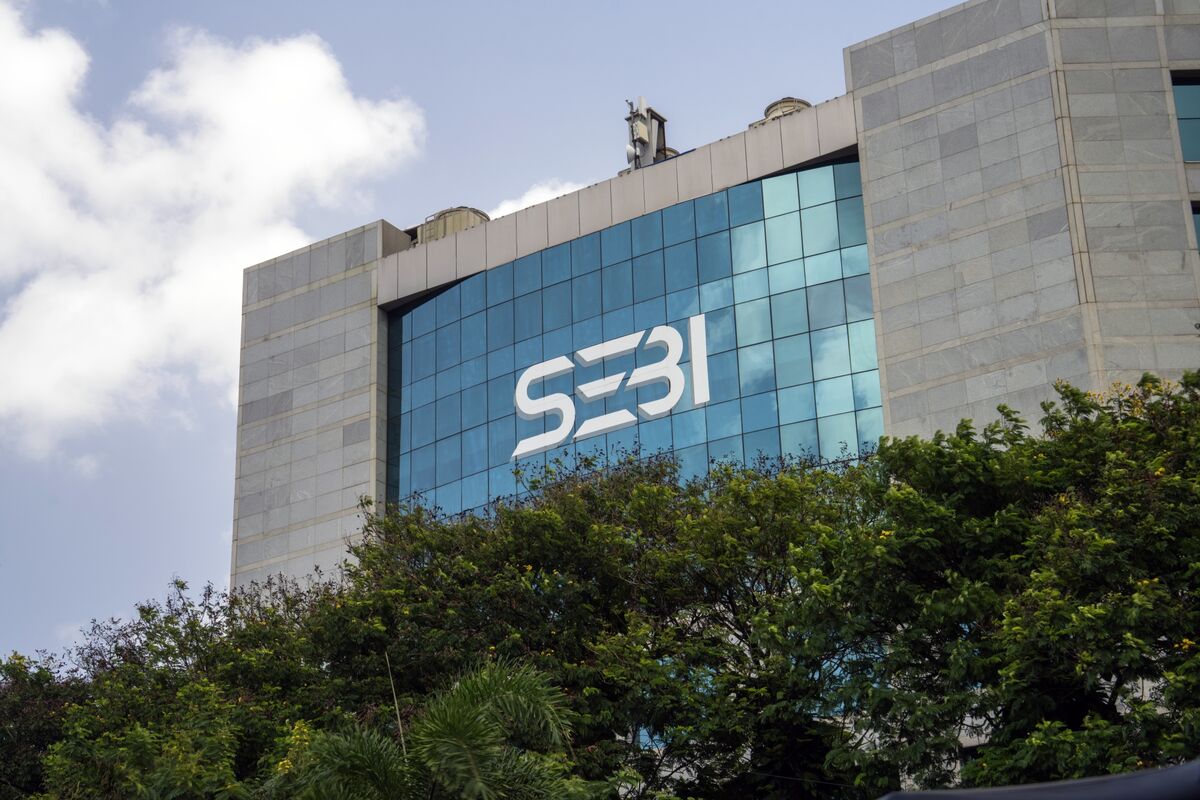
India’s market regulator has issued a show-cause notice to six foreign portfolio investor entities and sought information from Capital Group over trades flagged in an early-2025 front-running case. This is the first time Capital Group has been publicly named in connection with the investigation. The development adds regulatory and legal overhang for the firm and highlights scrutiny of trading practices in India’s local equity market.
This is less about one firm and more about the regulator signaling that it is willing to convert a market-integrity headline into a broader enforcement campaign. In India, that tends to raise the “compliance discount” on foreign capital quickly, even when the underlying issue is isolated, because global allocators price headline risk across the entire FPI complex rather than the named entities alone. The first-order loser is any foreign manager with India exposure and less transparent execution plumbing; the second-order winners are domestic brokers, onshore active managers, and index-linked vehicles that can absorb flows without idiosyncratic enforcement risk.
The near-term market mechanism is flow hesitation, not direct earnings damage. If large offshore accounts slow allocations for even a few weeks, the impact shows up first in mid/ small-cap liquidity, IPO appetite, and derivatives basis rather than in the headline large caps that dominate benchmarks. That creates a regime where quality, balance-sheet strength, and domestically funded ownership get a premium, while crowded, execution-sensitive names trade with a wider liquidity haircut.
The tail risk is that this expands from a single front-running probe into a broader review of foreign participation practices, which would matter over months, not days. If the regulator is seen as escalating, the main reversal would be clear procedural narrowing or a fast, cooperative resolution that reassures FPIs the issue is enforcement-specific, not policy-driven. Until then, the asymmetry is that India’s valuation premium can compress faster than earnings estimates, because the market only needs a modest reduction in foreign bid depth to reprice risk.
The contrarian view is that this may be a buy-the-dip setup for domestic-facing Indian assets if the selling is indiscriminate. Global managers often overreact to isolated compliance cases by de-risking whole country allocations, which can create temporary dislocations in high-quality names with strong local sponsorship. If the announcement drives broad India underperformance without a corresponding rise in macro stress, that divergence is usually a better entry than trying to fade the initial legal headline itself.
AI-powered research, real-time alerts, and portfolio analytics for institutional investors.
Request DemoOverall Sentiment
mildly negative
Sentiment Score
-0.20
