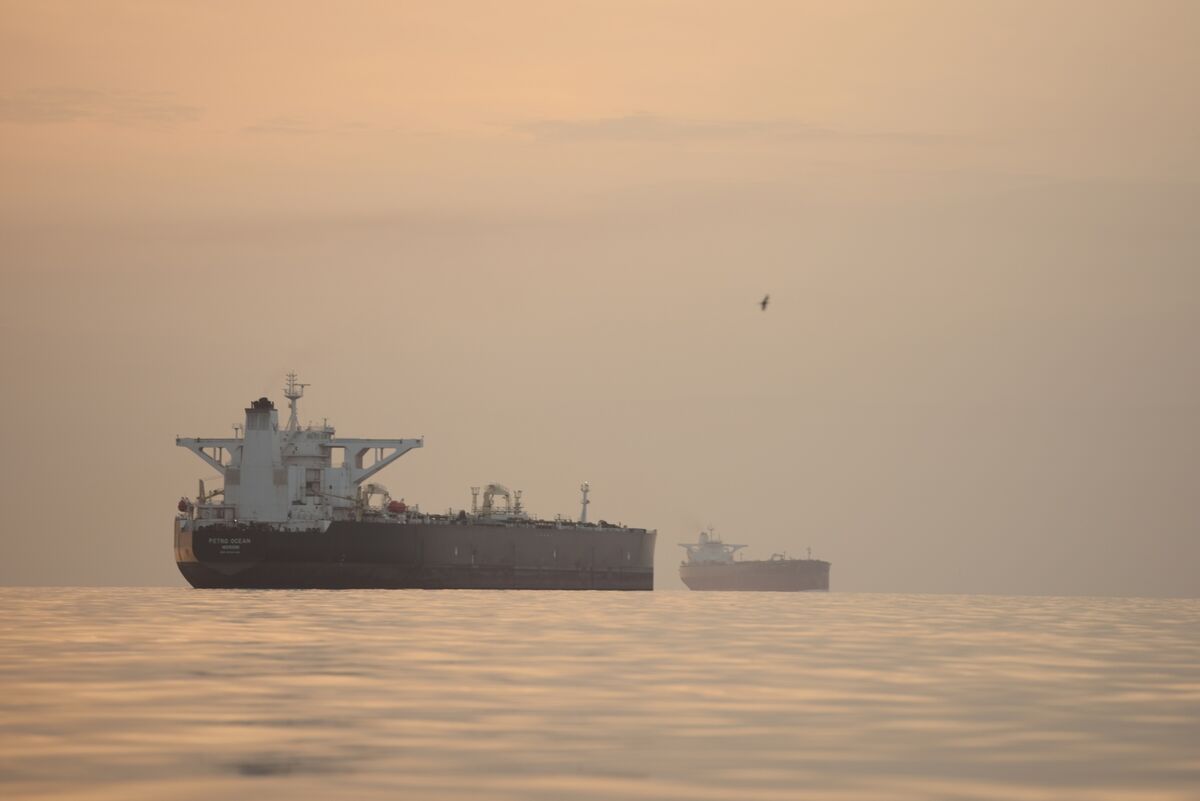
Kuwait Petroleum Corp. declared force majeure on crude oil and refined product shipments because the blockade of the Strait of Hormuz is preventing customers from bringing vessels into the Persian Gulf. The move signals meaningful supply disruption risk in a critical energy chokepoint, though the article notes deliveries will not necessarily stop completely. The development is likely to support oil price volatility and heighten market concern over Gulf supply flows.
The immediate market impact is not just higher crude risk premium; it is a liquidity-and-friction shock to a chokepoint-dependent supply chain. Even limited disruption in Hormuz tends to reprice the marginal barrel far more than the lost physical volume suggests, because refiners and traders must hold more inventory, charter longer-haul routes, and pay up for optionality. That creates a second-order winner set in tanker rates, storage, and prompt time-spreads before it fully shows up in outright energy equities.
The biggest underappreciated loser is not the producer base broadly, but consumers with high spot-exposed feedstock costs and thin inventory buffers: airlines, European refiners, Asian petrochemicals, and industrials that rely on diesel/naphtha. If the disruption persists for weeks rather than days, the pain migrates from headline crude into product cracks and freight, with margins compressed even if end-demand remains intact. Conversely, U.S.-centric producers and exporters with non-Hormuz logistics gain relative resilience, while integrated majors with diversified trading books can monetize volatility more effectively than pure upstream names.
Catalyst timing matters: in the first 1-10 trading days, the move is mostly geopolitics and positioning; over 1-3 months, physical rerouting, inventory builds, and policy responses dominate. The key reversal triggers are a credible maritime security corridor, diplomatic de-escalation, or evidence that loadings continue despite the formal force majeure, which would compress the risk premium quickly. The tail risk is asymmetric: even a small probability of a broader closure keeps implied volatility elevated and makes near-dated downside expensive for energy consumers.
The consensus may be too focused on crude price direction and not enough on dispersion. This is a relative-value event: not all energy exposure is equal, and the best trade is likely long volatility or long logistics vs short end-users, rather than a pure directional oil bet. If the market decides the disruption is manageable, the strongest unwind will be in tanker and freight premiums first, while crude may only partially give back because the strategic chokepoint risk itself is now freshly repriced.
AI-powered research, real-time alerts, and portfolio analytics for institutional investors.
Request DemoOverall Sentiment
strongly negative
Sentiment Score
-0.65
