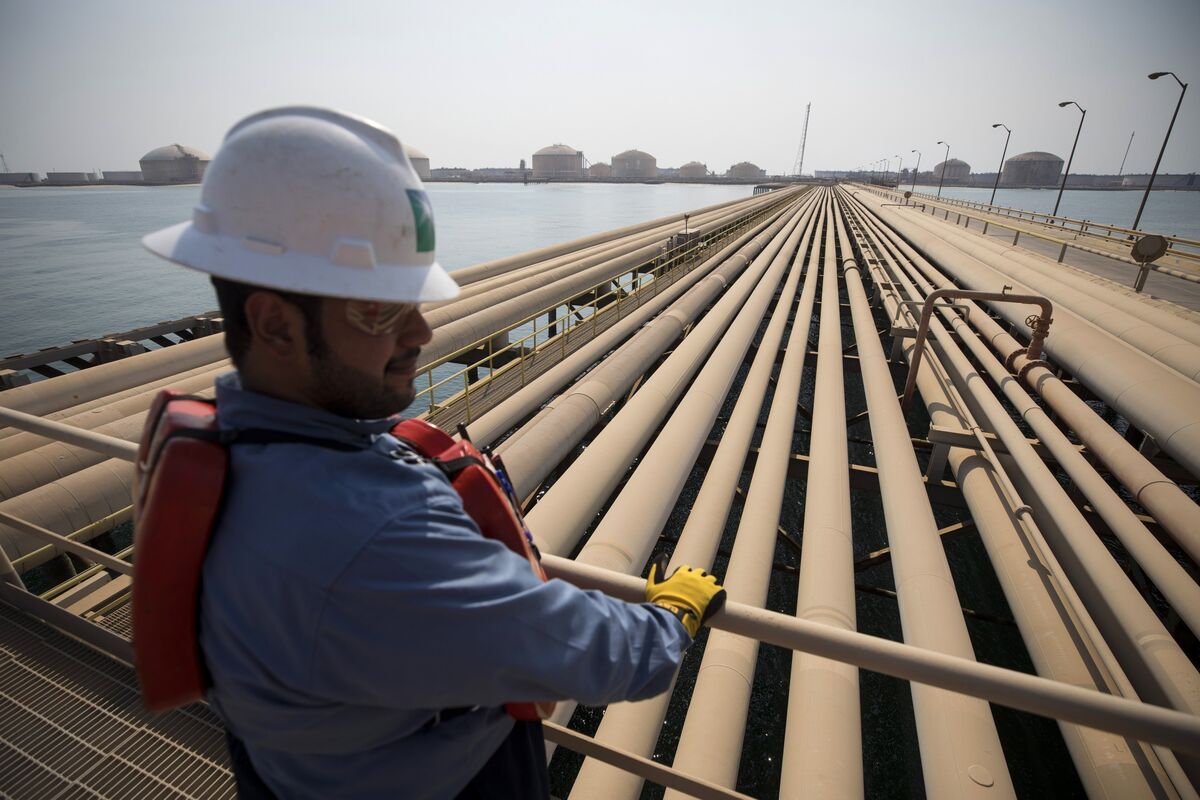
Saudi Arabia's crude exports surged to an 18-month high of 6.42 million barrels a day in September, marking an increase of over 600,000 barrels daily from August. This significant rise, confirmed by tanker-tracking data, indicates that the kingdom's share of OPEC+ supply hikes is now materially impacting global oil markets.
Saudi Arabia's crude oil exports reached an 18-month high in September, climbing to 6.42 million barrels per day. This represents a substantial month-over-month increase of over 600,000 barrels per day from August levels. The data, corroborated by multiple tanker-tracking sources including Bloomberg, Kpler, and Vortexa, provides the first tangible evidence that the kingdom is fulfilling its commitment to the broader OPEC+ strategy of gradually increasing global supply. The magnitude of this export surge confirms that the previously agreed-upon production hikes are now translating into material volume available to the international market, a key development for the global energy supply-demand balance.
AI-powered research, real-time alerts, and portfolio analytics for institutional investors.
Request DemoOverall Sentiment
moderately positive
Sentiment Score
0.60
