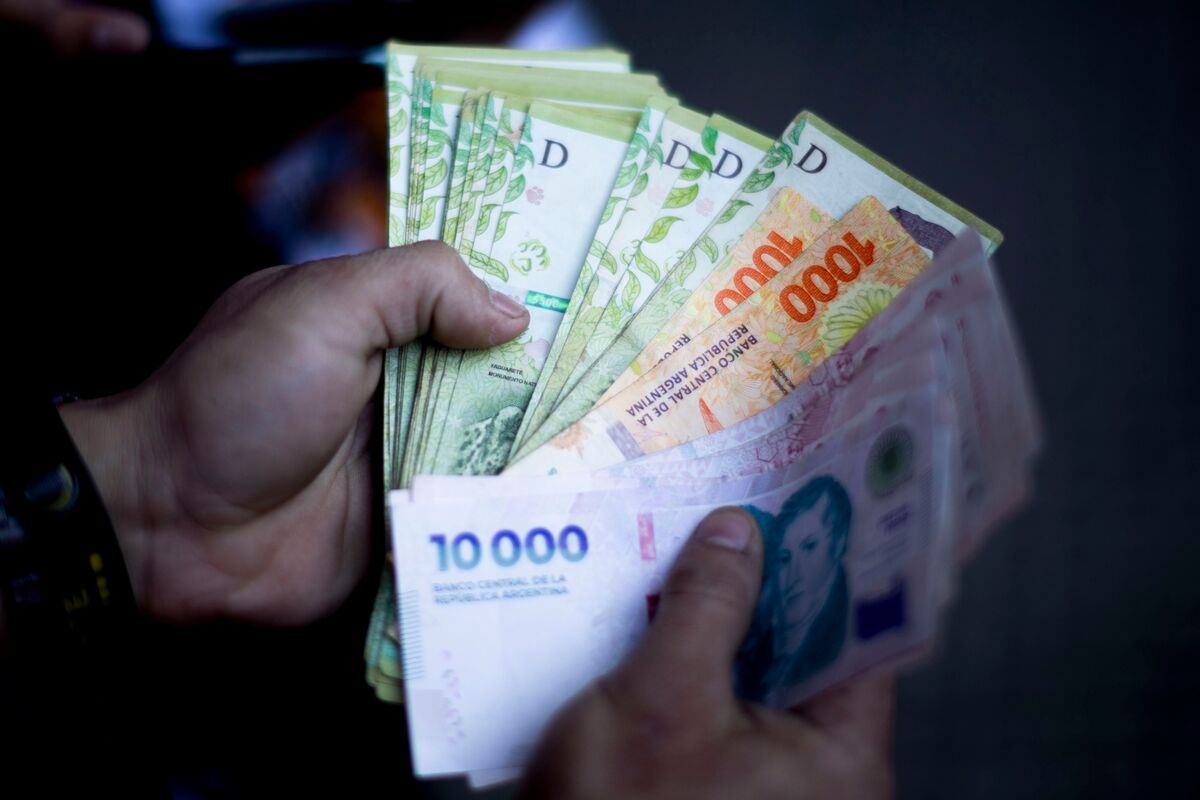
Argentina's peso continued its depreciation, weakening 1.7% to 1,243 per dollar, driven by seasonal dollar demand ahead of winter holidays and bonus payments, coupled with anticipated dwindling hard currency supply. Since President Javier Milei lifted most currency controls in mid-April, the official peso has depreciated over 12%, making it the worst-performing emerging market currency and signaling persistent foreign exchange volatility.
Argentina's official peso is under significant pressure, extending its slide for a third session with a 1.7% decline to 1,243 per dollar. This depreciation is driven by a confluence of seasonal dollar demand linked to upcoming winter holidays and market anticipation of a diminishing hard currency supply. The broader context is critical: since President Javier Milei's administration lifted most currency controls in mid-April, the peso has weakened by over 12%, making it the worst-performing currency in emerging markets during this period. The concurrent 0.6% weakening in the parallel exchange rate underscores the broad-based negative sentiment. This dynamic highlights that the recent policy shift towards a liberalized FX regime has not yet stabilized the currency, with underlying concerns about hard currency availability now being amplified by predictable seasonal demand.
AI-powered research, real-time alerts, and portfolio analytics for institutional investors.
Request DemoOverall Sentiment
strongly negative
Sentiment Score
-0.75
