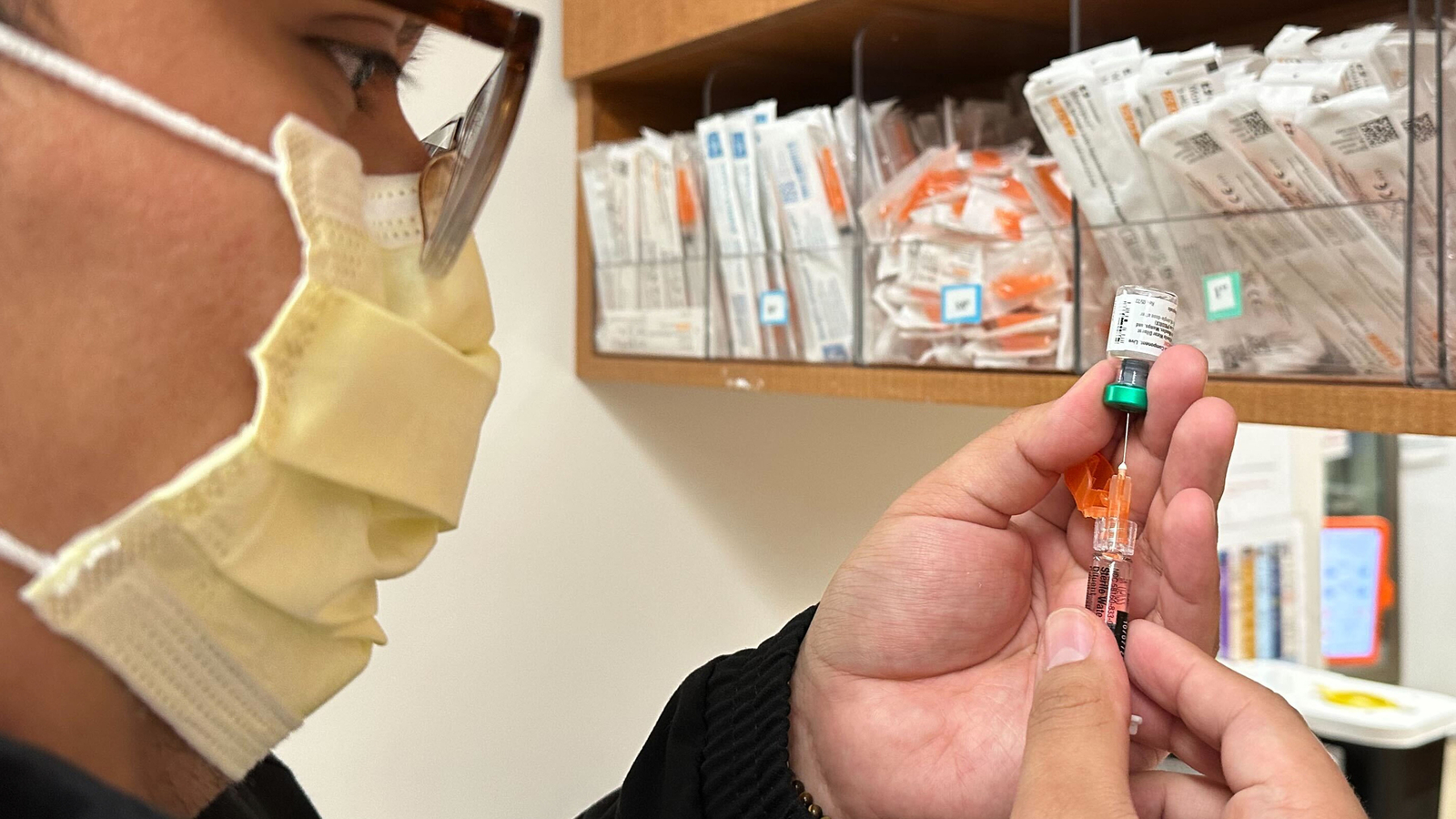
Measles cases in the U.S. have reached 1,136 after 154 new cases in the past week, with infections confirmed in 27 states and a large South Carolina outbreak accounting for 979 cases. CDC data indicate about 92% of cases are among unvaccinated or vaccination-status-unknown individuals, 4% had one MMR dose and 4% had two; kindergarten MMR coverage fell to 92.5% in 2024-25 versus 95.2% in 2019-20. The resurgence, coming after 2,281 U.S. cases in 2023 (the highest in 33 years), presents localized public-health and policy risks that could affect healthcare providers, insurers and regionally exposed businesses.
Market structure: Short, concentrated winners are vaccine manufacturers (Merck - MRK) and diagnostics/lab services (Quest Diagnostics - DGX; Laboratory Corp - LH) from incremental MMR revs and testing volume; telehealth (TDOC) gets modest consult upside. Losses are localized: regional childcare, K-12 services and discretionary travel in high-outbreak states (airline ETF JETS, regional hotel REITs) face transient demand hit. Expect volume-driven revenue bumps of low single-digits for MRK/DGX over 1–3 quarters, but limited pricing power given established vaccine contracts.
Risk assessment: Tail risks include a sustained national surge (>2,000 cases, >40 states) that triggers emergency funding, school closures, or litigation against providers; very low probability but high policy impact. Immediate (days) risks are localized operational disruptions; short-term (weeks–months) see spikes in orders and supply-chain strain (vials, cold chain); long-term (quarters–years) could shift public health funding and mandate regimes. Hidden dependencies: social-media-driven vaccine hesitancy and state-level regulatory responses will drive demand volatility.
Trade implications: Favor small, tactical healthcare longs: 1–2% positions in MRK and 1% each in DGX/LH, with 3–6 month call spreads to cap capital and target delivery-season upside. Pair trade: long DGX, short JETS (0.5% each) to capture diagnostics tailwind vs localized travel weakness. Entry window: deploy within 2–6 weeks (before school immunization push); trim or exit after 3–6 months or if CDC weekly new-case run rate falls below 50/week for 4 consecutive weeks.
Contrarian angles: Consensus underestimates diagnostics and lab-services revenue capture and overestimates systemic market disruption; 2019 parallel shows vaccine demand spikes add volume but not margin, so pure-play vaccine longs should be sized small. Beware an overdone sell-off in regional travel; if CDC metrics breach 200 new cases/week for 4 weeks, rotate +2x into healthcare positions and cut discretionary exposure immediately.
AI-powered research, real-time alerts, and portfolio analytics for institutional investors.
Request DemoOverall Sentiment
mildly negative
Sentiment Score
-0.25
