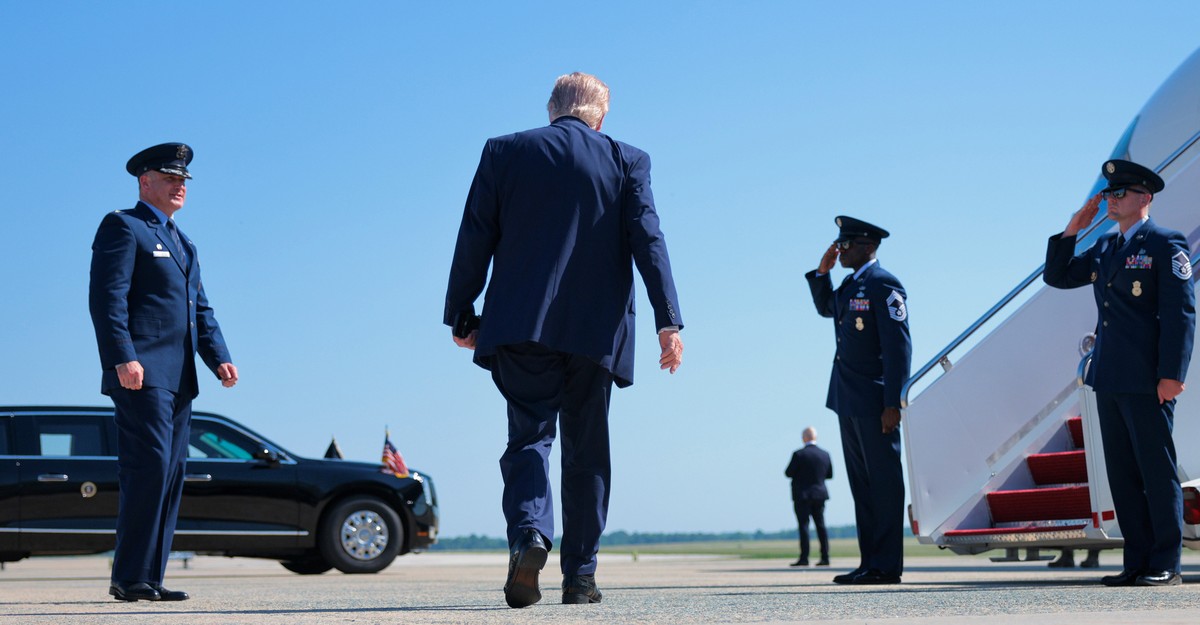
The article argues that the U.S. is effectively backing away from the Iran conflict, with Trump reportedly considering a 30-day letter of intent and cease-fire framework that would end the war and reopen the Strait of Hormuz. It warns that Iran is using the pause to normalize control of the strait, pressure transit agreements, and weaken sanctions, which could leave Gulf shipping chronically disrupted and energy markets vulnerable. The piece implies a major strategic setback for the U.S. and Israel, even if oil prices eventually stabilize under a new Iran-controlled regime.
The market implication is not simply “lower war premium”; it is a regime shift from a binary supply shock to a negotiated toll economy. That is structurally bearish for U.S. leverage because it moves pricing power from a centralized sanction regime to a decentralized, fee-based chokepoint where Tehran can discriminate by counterparty, nationality, and cargo type. In that world, physical barrels may still flow, but friction costs, insurance premia, and rerouting penalties stay elevated, which is a quiet tax on refiners, shipping, and import-dependent Asian economies.
The second-order winner is not crude outright but any asset tied to transaction bottlenecks: tanker rates, marine insurance, alternative routes, and non-Gulf incremental supply. European and Asian industrials with high Gulf input dependence face margin risk even if headline Brent stabilizes, because “open” straits do not mean cheap logistics. Conversely, U.S. shale, Canadian oil sands, Brazil, and Guyana gain relative strategic value as buyers seek politically cleaner barrels with lower interruption risk.
The real tail risk is not immediate escalation; it is normalization of Iranian leverage, which can harden within weeks and become much harder to reverse over the next 3-6 months as counterparties sign transit deals and build compliance processes around them. That creates a one-way ratchet: every week of calm reduces the odds of a forceful reopening and increases the odds that sanctions enforcement loses credibility. The consensus may be over-discounting how sticky this arrangement becomes once shipping, banks, and commodities desks begin adapting operationally.
Watch for the first evidence of persistent freight and insurance repricing, not just Brent. If tanker rates and Gulf delivery differentials stay elevated while crude stays range-bound, that is the tell that markets are underpricing the medium-term inflation impulse. Any credible U.S. follow-through on coercive maritime enforcement would be the main reversal catalyst, but absent that, the path of least resistance is broader risk premium embedded across EM FX, airlines, chemicals, and import-heavy industrials.
AI-powered research, real-time alerts, and portfolio analytics for institutional investors.
Request DemoOverall Sentiment
strongly negative
Sentiment Score
-0.72
