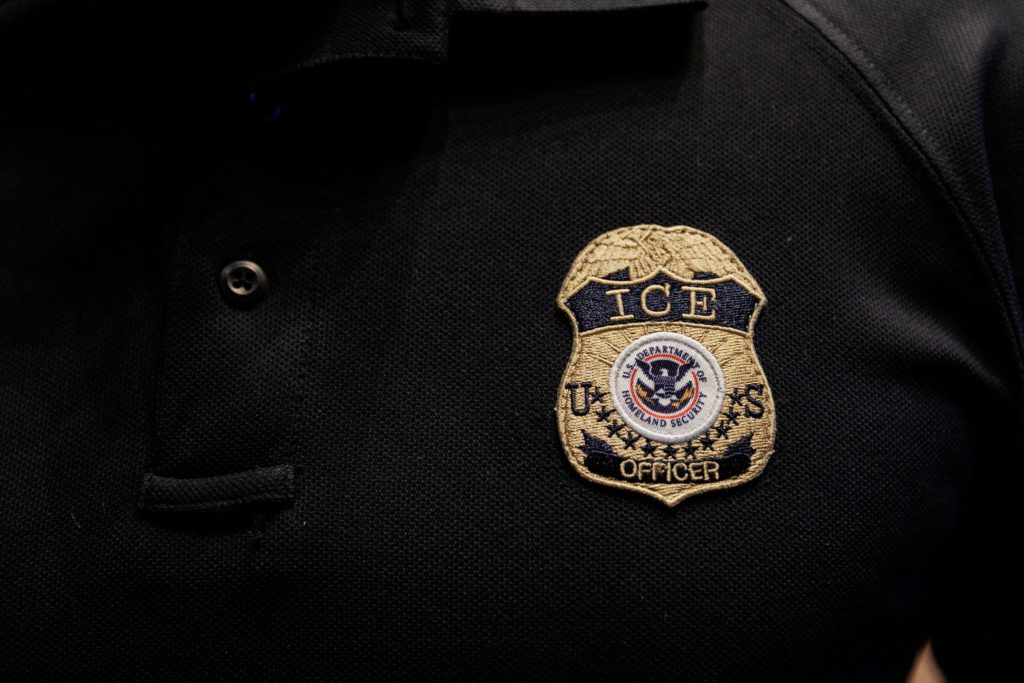
President Trump said he will order ICE officers to assist airport security starting Monday unless Democrats approve funding for the Department of Homeland Security, escalating a partial DHS shutdown that has contributed to long TSA lines. The administration reported at least 376 TSA employees have quit since the funding lapse began Feb. 14; the announcement included threats of targeted arrests of Somali immigrants and follows a Senate failure to advance a DHS funding bill, while bipartisan talks are ongoing and outcomes remain uncertain.
Operational frictions at airports amplify non-linear cost vectors for airlines and cargo carriers: higher delay incidence raises crew overtime, repositioning flights, and passenger compensation simultaneously, which can compress unit margins by several hundred basis points over a single high-traffic month if disruptions persist. Airports and hub carriers will bear concentrated pain at top-10 hubs—where schedule density makes knock-on cancellations cascade—while regional feeders and leisure-focused carriers may show staggered, lagged impacts.
A parallel, under-appreciated beneficiary is the security/IT contractor complex: if federal enforcement gets redeployed or if political pressure accelerates partial privatization, expect a near-term procurement cycle (spot contracts, surge staffing, identity tech) that can lift quarterly bookings for select vendors within 1–3 months. Conversely, legal injunctions, state/local non-cooperation, or a quick stopgap funding deal from Congress are high-probability reversal catalysts on a days-to-weeks timeline that would materially reduce operational tail risk.
Consensus tends to frame this as purely political theater or a binary funding outcome; the more likely path is episodic operational disruption with targeted policy and procurement responses. That argues for short-duration, event-driven positioning on airline operational risk and selective medium-term exposure to security/defense services that could capture outsized recontracting flows if federal posture changes, while avoiding large structural long or short bets on travel demand until the legislative path clears.
AI-powered research, real-time alerts, and portfolio analytics for institutional investors.
Overall Sentiment
mildly negative
Sentiment Score
-0.25
