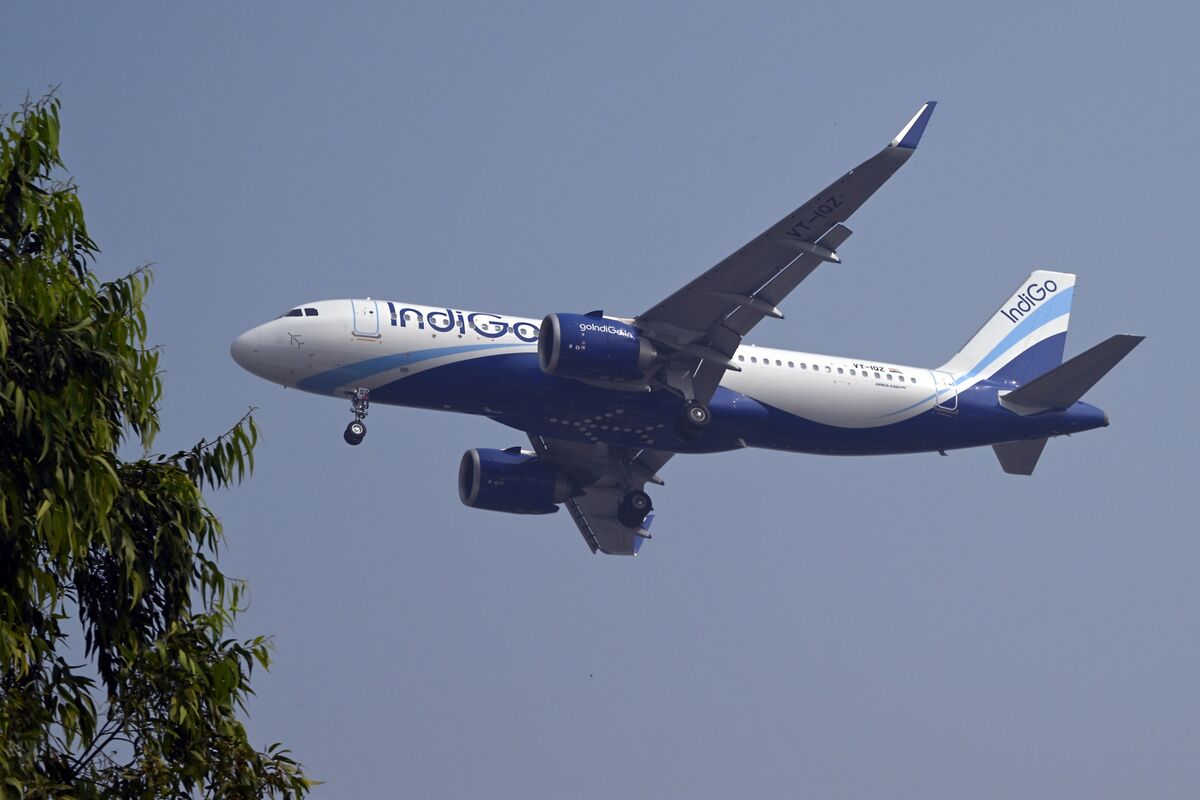
India and China are set to resume direct flights, a development that signals a warming of bilateral ties between the two major Asian economies. This increased connectivity could facilitate greater trade, tourism, and business exchanges, potentially impacting regional economic dynamics and investment flows.
The impending resumption of direct flights between India and China signals a significant, moderately positive development in bilateral relations. This move, interpreted as a warming of diplomatic ties, carries direct implications for the transportation and logistics sectors of both nations. Beyond the immediate impact on airlines, this enhanced connectivity is a foundational step toward facilitating greater trade, tourism, and business exchanges. For institutional investors, this geopolitical shift could de-risk regional investments and alter economic dynamics, potentially unlocking new investment flows between two of Asia's largest economies. The development should be viewed as a leading indicator of potential economic normalization and increased cross-border commercial activity.
AI-powered research, real-time alerts, and portfolio analytics for institutional investors.
Request DemoOverall Sentiment
moderately positive
Sentiment Score
0.50
