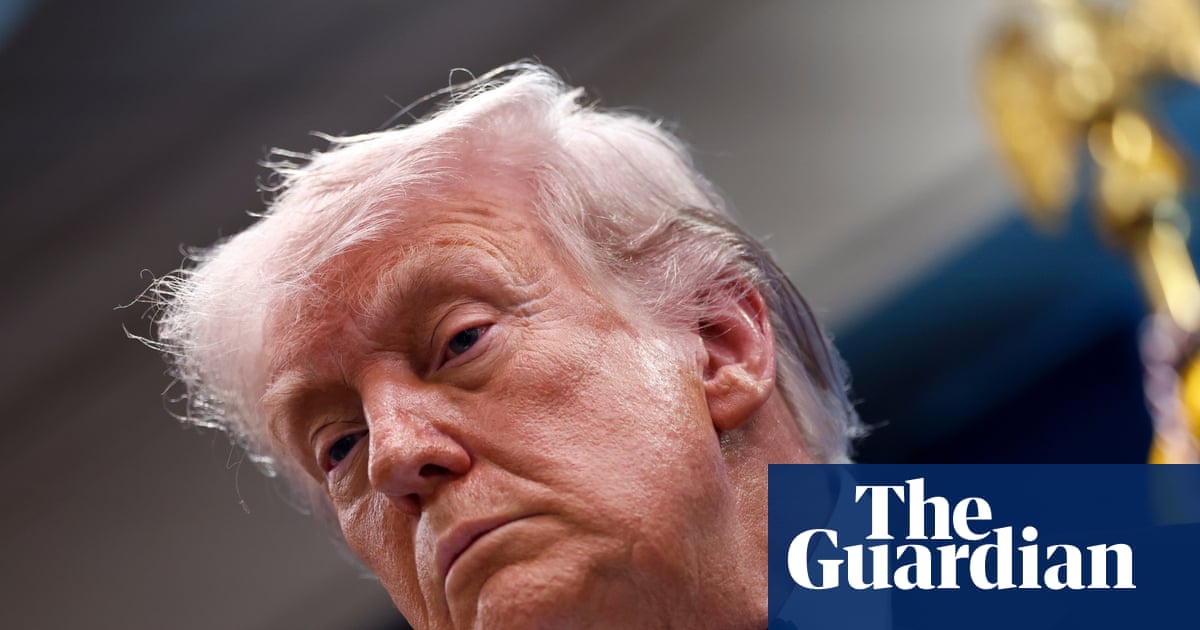
A shooting at the Washington Hilton during the White House Correspondents’ Association dinner prompted a Secret Service evacuation, though Donald Trump said he was not worried and was not injured. Authorities said the suspected gunman, Cole Tomas Allen, 31, was arrested armed with knives, a shotgun and a handgun, and the acting attorney general said the attack may have targeted administration members. The interview turned confrontational when Trump criticized CBS correspondent Norah O’Donnell over manifesto excerpts and urged the WHCA to reschedule the event within 30 days.
This is less a “one-off security scare” than a live stress test for the political violence risk premium into the next 6-12 months. Markets generally underprice the second-order effect: each high-profile incident raises the odds of tighter event security, more defensive campaign staffing, and a heavier legal/compliance burden for venues, broadcasters, and political advertisers. The immediate economic impact is small, but the marginal winners are the firms that sell screening, perimeter security, communications hardening, and crisis-management services rather than traditional defense primes.
The bigger equity implication is for media and platform monetization. Flashpoint political content drives transient engagement, but it also increases the probability of advertiser pullbacks, brand-safety filtering, and tougher editorial/reputational scrutiny for large broadcasters and social platforms over the next several quarters. The asymmetry is that upside from audience spikes is usually captured in hours, while downside from reputational drag compounds over weeks as CPM buyers rotate budgets away from volatile political inventory.
The contrarian read is that the event may be more bullish for “security as a service” than for broad defense. We should expect a faster procurement cycle for mobile screening, access control, and private protective detail at political venues, while large legacy defense contractors see little near-term benefit because the spend is operational rather than weapons-related. If the incident becomes part of a sustained narrative of domestic instability, the market could also start pricing higher federal and municipal security budgets, which would help contractors with recurring service exposure more than pure hardware names.
AI-powered research, real-time alerts, and portfolio analytics for institutional investors.
Request DemoOverall Sentiment
mildly negative
Sentiment Score
-0.15
