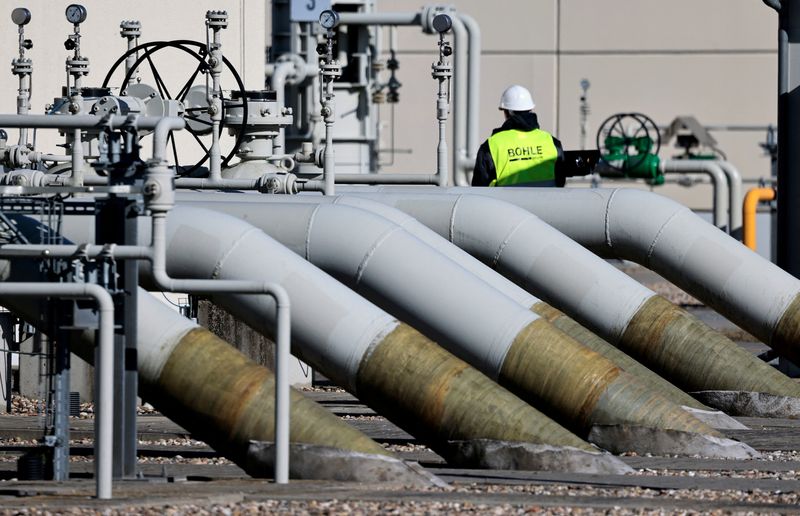
Brent crude fell below $100 a barrel as hopes rose for a U.S.-Iran peace deal that could reopen the Strait of Hormuz, while Dutch TTF front-month gas dropped 5.6% to 45.945 euros/MWh. The strait carries roughly one-fifth of global oil flows, so any reopening would ease a major supply-risk premium that has supported energy prices and inflation concerns. However, officials on both sides are tempering expectations, and vessel traffic through the strait remains limited but ongoing.
The immediate read-through is not just lower hydrocarbon prices, but a sharp compression in geopolitical risk premia across the entire energy complex. That tends to hit leveraged gas exposure hardest because European gas is still priced off a scarcity/optionality regime: if the market believes a key transit choke point is reopening, prompt-month implied volatility and nearby backwardation usually unwind faster than the outright price. The first-order loser is therefore not only producers, but also storage holders and merchants who were monetizing the scarcity spike.
The second-order effect is on inflation expectations and rate-sensitive assets. A sustained sub-$100 Brent print, even if temporary, reduces headline CPI risk with a lag of roughly 1-2 months in developed markets, which can support duration and pressure inflation-protection trades. But the bigger risk is that the market extrapolates a diplomatic headline into a lasting supply normalization; if the deal stalls, the snapback in oil/gas could be violent because positioning has likely leaned into the peace narrative faster than physical flows can actually normalize.
Consensus may be underestimating how sticky the shipping/insurance bottleneck remains even if a framework is announced. Tanker availability, war-risk premia, port clearance, and sanctions compliance are all independent frictions, so a ‘reopening’ headline can underdeliver in physical barrels while still overdelivering in price compression. That asymmetry argues for fading the most aggressive downside follow-through in energy, while respecting that the next catalyst is binary and could arrive within days rather than months.
For equities, the biggest hidden beneficiary is not the oil majors but downstream consumers and freight-intensive industries: airlines, chemicals, parcel/logistics, and European industrials should get relief if the move proves durable. ING’s note underscores a relevant input-price channel: oil-indexed gas contracts can transmit crude weakness into LNG and pipeline pricing, which would be a meaningful margin tailwind for European energy buyers. The market likely hasn’t fully priced the cross-asset knock-on into euro-area inflation breakevens and industrial earnings revisions.
AI-powered research, real-time alerts, and portfolio analytics for institutional investors.
Request DemoOverall Sentiment
neutral
Sentiment Score
0.15
Ticker Sentiment
