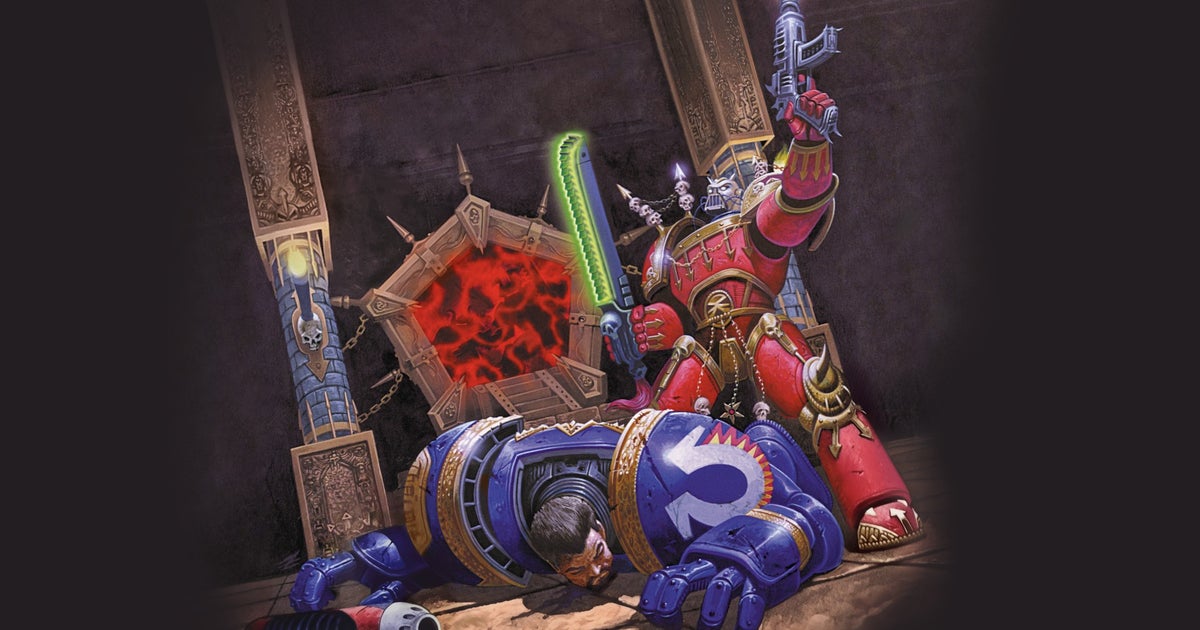
Games Workshop and SNEG launched Warhammer Classics, re-releasing 28 legacy Warhammer and Warhammer 40K titles on Steam, including seven games making their Steam debut. The initiative emphasizes preservation and broader PC distribution rather than modern remasters, and could expand brand engagement and discoverability for older titles. While financially modest in the near term, the move supports catalog monetization and franchise longevity.
This is less a one-off content announcement than a long-duration IP monetization program. The key second-order effect is not unit sales of old games, but portfolio-level addressability: Games Workshop is converting dormant nostalgia into low-CAC, high-margin digital surface area that can funnel users into newer releases, tabletop, and merch. Because these titles are already largely depreciated assets, incremental revenue should flow with unusually high contribution margins, while also extending the brand’s cultural half-life across PC storefronts and algorithmic discovery. The competitive angle is that preservation-led re-releases can blunt the historical “lost to time” problem that often keeps legacy IP from being reactivated. If this works, it creates a template for other licensors with deep back catalogs, especially in strategy and licensed gaming, to pursue similar library monetization. The real winner is likely the rights holder, while the main loser is any would-be competitor betting on scarcity of legacy access; this increases the value of IP libraries with long-tail fan engagement and reduces dependence on breakout new releases. The near-term catalyst is not a huge step-change in revenue, but evidence that Warhammer remains one of the few gaming/IP franchises with enough cross-era demand to monetize old content repeatedly. The risk is that Steam placement alone may not materially expand audience beyond existing enthusiasts, making this more of a branding exercise than a financial inflection. Over months, the signal to watch is whether this leads to bundle behavior, wishlist lift on upcoming titles, or a measurable halo in tabletop conversion; if not, the market may eventually treat it as catalog housekeeping rather than an earnings driver. Contrarian view: consensus may overestimate direct P&L impact and underestimate strategic value. The underappreciated upside is that a broader PC preservation strategy can de-risk the franchise by keeping dormant fans engaged until higher-ticket launches arrive, effectively acting as a perpetual acquisition funnel. The other side of that coin is that if later premium releases disappoint, the classics program can’t compensate; it can sustain attention, but it cannot manufacture product-market fit for new games.
AI-powered research, real-time alerts, and portfolio analytics for institutional investors.
Request DemoOverall Sentiment
mildly positive
Sentiment Score
0.20
