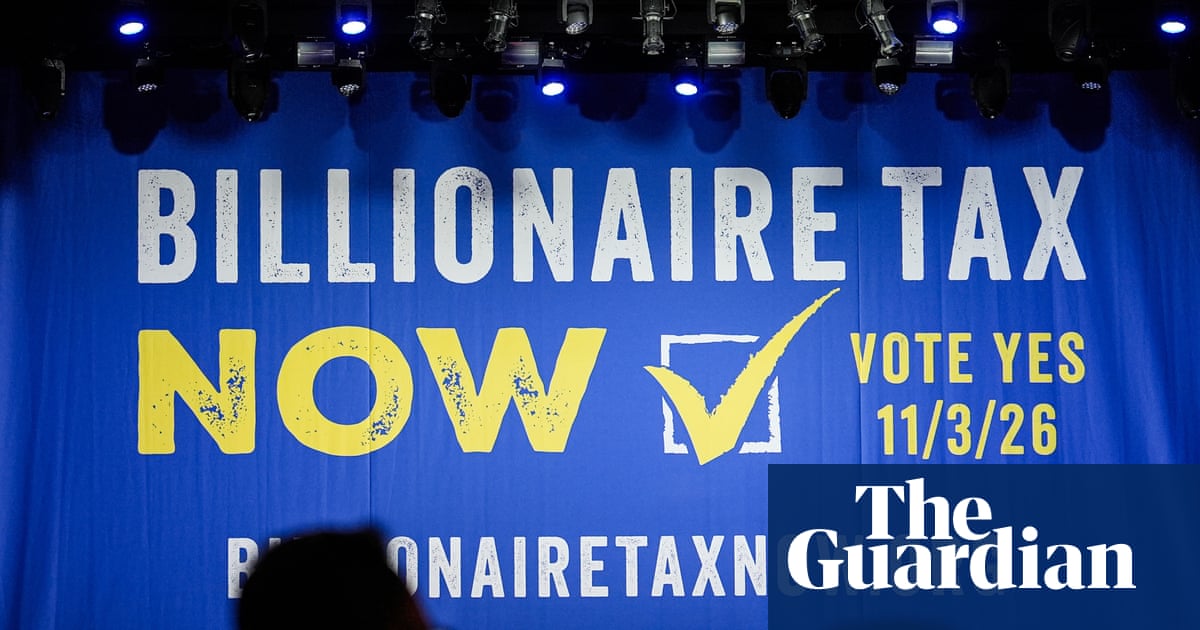
California's proposed one-time 5% billionaire wealth tax has qualified for the November ballot, but the coalition has until 25 June to withdraw it or cut a deal; it is now pushing a reduced 2% levy. The measure is aimed at funding strained healthcare, food assistance and education programs, and has become a major political fight involving Gov. Gavin Newsom, labor unions and tech billionaires. The outcome could influence California tax policy, capital flight concerns and state budget negotiations, but it is primarily a state-level political and fiscal issue rather than a broad market catalyst.
The marketable edge here is not the tax itself, but the negotiation optionality it creates over the next 7-10 days. A ballot-qualified threat materially raises the probability of a last-minute compromise, which means the best short-term trades are around headlines, not the eventual tax rate. If a deal emerges, the premium gets repriced out of politically exposed names quickly; if it goes to November, the campaign becomes a multi-month overhang that can keep founders, donors, and related employers in defensive mode.
The second-order winner is likely Nvidia, not because it escapes directly, but because this increases the incentive for wealthy residents to tolerate or signal loyalty to California’s AI ecosystem rather than exit. That is especially relevant given its already favorable local concentration and the CEO’s public stance; a modestly higher probability of wealthy resident retention is a soft positive for local AI labor, capex, and customer density. By contrast, names with more obvious founder sensitivity to California tax policy can see persistent discounting as the market prices in relocation risk, governance distraction, and reputational spillover rather than direct P&L impact.
The biggest loser is not the billionaire cohort per se but the political coalition around late-stage tech wealth, because the issue is now a template for broader asset-based taxation debates in blue states. That creates a contagion risk to other jurisdictions and raises the probability of copycat ballot measures or legislative proposals in 2026. For the healthcare backers, the real constraint is timing: if the measure remains live, it could suppress some donor behavior and lobbying spend immediately, but any actual fiscal benefit is too far out to affect near-term operating fundamentals for hospitals or managed care.
Consensus may be overestimating the probability that this becomes a clean binary negative for the listed tech names. In practice, the most likely path is a negotiated haircut or procedural delay, which would make the headline risk fade before it becomes an earnings issue. The better contrarian setup is to buy volatility around the decision window and fade any knee-jerk downside in the most liquid affected names once a compromise probability rises.
AI-powered research, real-time alerts, and portfolio analytics for institutional investors.
Request DemoOverall Sentiment
neutral
Sentiment Score
-0.05
Ticker Sentiment
