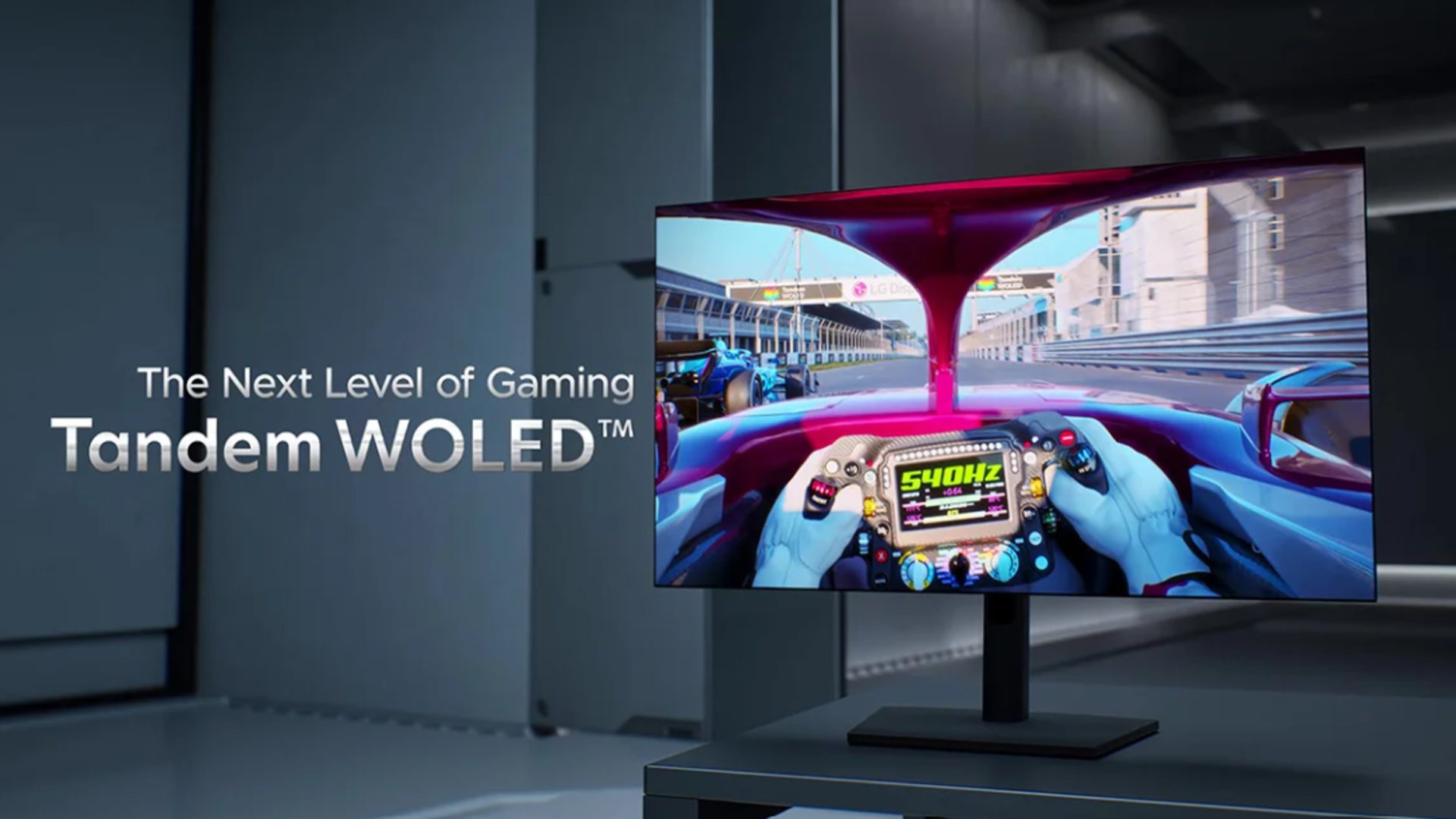
LG Display is developing a 39-inch curved 5K2K (5120 x 2160) WOLED ultrawide panel with Tandem WOLED architecture, a true RGB stripe subpixel layout, DisplayHDR True Black 500 certification and a peak brightness target of up to 1500 nits, alongside a 27-inch 4K WOLED entry. Key technical details such as refresh rate, final curvature radius, and pricing remain undisclosed, though the company and observers expect the product to be positioned well below the ~$5k price of Apple’s Pro Display XDR; the move signals competitive pressure on premium monitor pricing (notably versus Samsung Display’s QD-OLEDs) and could affect product positioning and margins within the high-end display segment if commercial terms are aggressive.
Market structure: LG Display’s 39" 5K WOLED at 1,500 nits directly pressures high‑end reference displays (Apple’s Pro Display XDR) by offering similar peak brightness at likely <<$5k, shifting pricing power toward panel makers and OEMs that adopt Tandem WOLED. Winners: WOLED materials/licensing (Universal Display—OLED), PC OEMs selling premium monitors, GPU vendors if demand upsizes; losers: niche high‑margin reference displays (AAPL’s monitor business) and incumbent premium LCD suppliers. Expect measurable share movement over 12–36 months as larger WOLED capacity comes online. Risk assessment: Tail risks include yield shortfalls on Tandem WOLED (6–12 month ramp), sudden material licensing disputes, or Apple using vertical integration / litigation to blunt competitors — any of which could compress expected margin tailwinds. Immediate (days) market impact is minimal; short term (weeks–months) risk is inventory repricing and modest channel markdowns; long term (quarters–years) is margin migration and capex cycles shifting supplier bargaining power. Hidden dependency: licensing terms with OLED materials/IP owners (revenue attribution and timing) and fab capacity for large panels. Trade implications: Tactical: take modest, asymmetric exposure to OLED materials IP and GPU demand. Use options to size risk: buy LEAPS or 9–18 month call spreads on OLED (target 2–3% portfolio exposure) and consider a small 6–9 month AAPL put spread (0.5–1% portfolio) to hedge premium‑display displacement. Sector tilt: overweight semiconductor/materials suppliers and underweight high‑end peripherals; act within next 2–8 weeks around product/capex announcements. Contrarian angle: Consensus underestimates capacity/time to market friction — Apple’s ecosystem and brand pricing could preserve a >50% price premium for its reference display, limiting direct AAPL downside. Historical parallels (Dell/Apple display competition) show incumbents lose unit share but retain high‑end pricing power; cheaper premium panels may expand total addressable market, benefiting GPU and materials suppliers more than compressing margins. Trade sizing should remain modest until yields and commercial pricing are revealed (target confirming catalysts in next 3–6 months).
AI-powered research, real-time alerts, and portfolio analytics for institutional investors.
Request DemoOverall Sentiment
mildly positive
Sentiment Score
0.25
Ticker Sentiment
