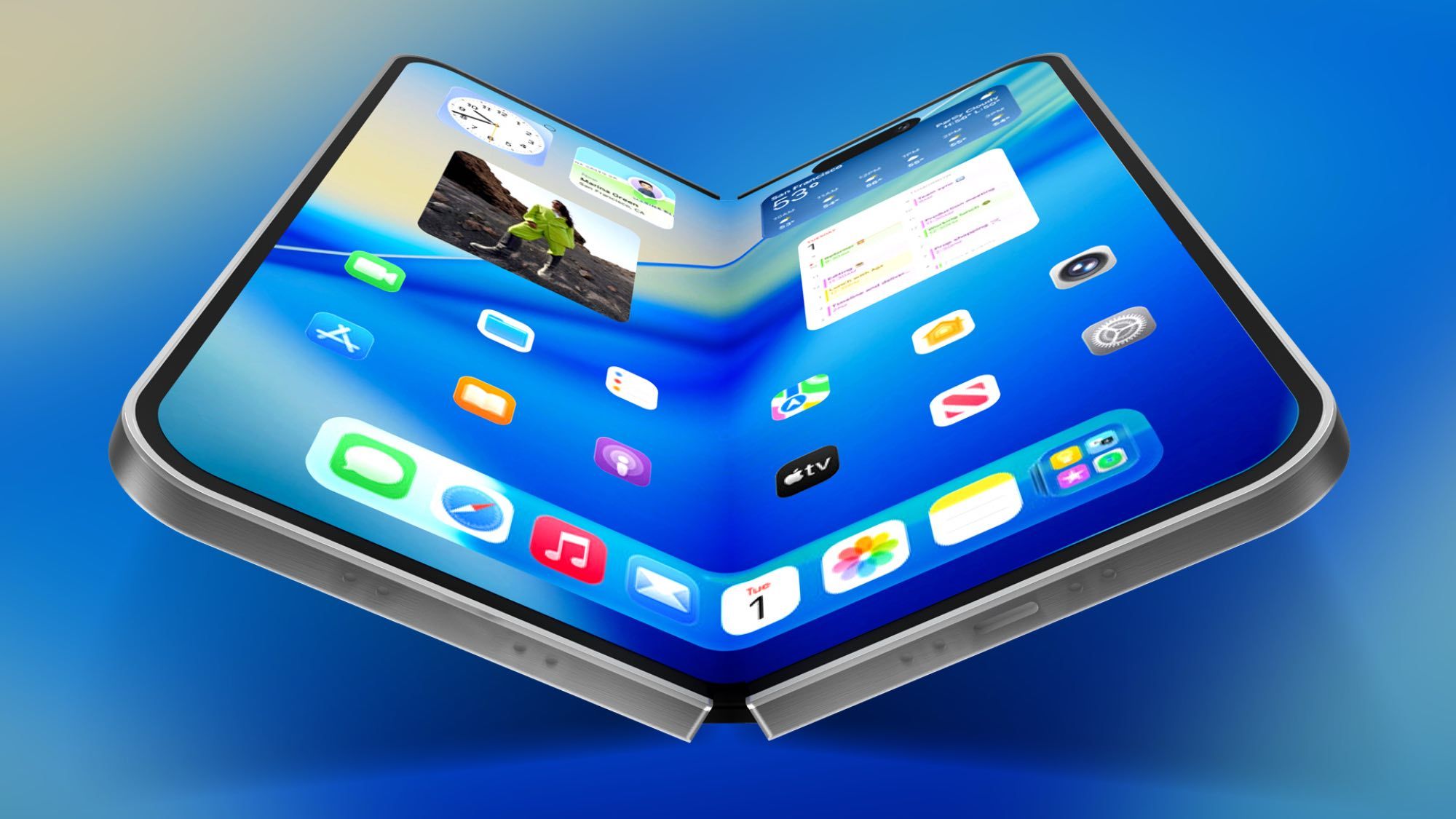
Leaks suggest Apple’s first foldable iPhone may have a final design with a wider-body form factor, a 7.8-inch main display, a 5.5-inch cover display, and MagSafe support via a case design confirmation. The device is also rumored to use titanium and be thinner than the 5.6mm iPhone Air, with launch expected this fall alongside the iPhone 18 Pro models. The article is largely rumor-based and unlikely to move markets on its own.
The market is likely to treat this as confirmation that Apple is preserving its premium ecosystem pricing power rather than chasing ultra-thin-margin hardware economics. A foldable with integrated magnetic charging implies Apple is optimizing for accessory attach and platform lock-in, which is more interesting for services and wearables gross profit than for unit upside alone. The bigger implication is that Apple may be trying to avoid the early foldable trap: selling a novelty device that cannibalizes iPhone Pro without creating enough incremental ecosystem revenue.
From a competitive standpoint, Samsung and Google are now facing a different Apple entry than the market modeled two years ago: wider aspect ratio, less crease risk, and a design language that feels closer to “iPad mini in your pocket” than a gimmick phone. That raises the bar for Android foldables because Apple can reset consumer expectations around usability rather than spec-sheet thinness. If Apple lands that positioning, the real losers may be mid-tier Android OEMs that relied on foldables as a differentiation wedge while Apple sat out.
The near-term catalyst is not the leak itself but the pre-launch positioning cycle over the next 3-6 months, when accessory partners, hinge suppliers, and display vendors will see order signals. The key risk is execution: any visible crease, battery compromise, or pricing above the market’s tolerance could turn this into a halo product with limited volume and minimal supply-chain benefit. The contrarian setup is that expectations may be too focused on a unit supercycle; the more durable upside may come from mix expansion in high-margin accessories and financing, not from raw handset shipments.
For AAPL, the trade is asymmetric only if investors underappreciate how much a foldable can improve upgrade intent in the premium base without needing mass-market penetration. But if Apple prices it too high, the product could mostly reshuffle existing Pro buyers, leaving consensus too optimistic on incremental revenue. That argues for owning optionality into launch while being cautious on suppliers whose upside depends on a large volume ramp that Apple may not allow in year one.
AI-powered research, real-time alerts, and portfolio analytics for institutional investors.
Request DemoOverall Sentiment
neutral
Sentiment Score
0.15
Ticker Sentiment
