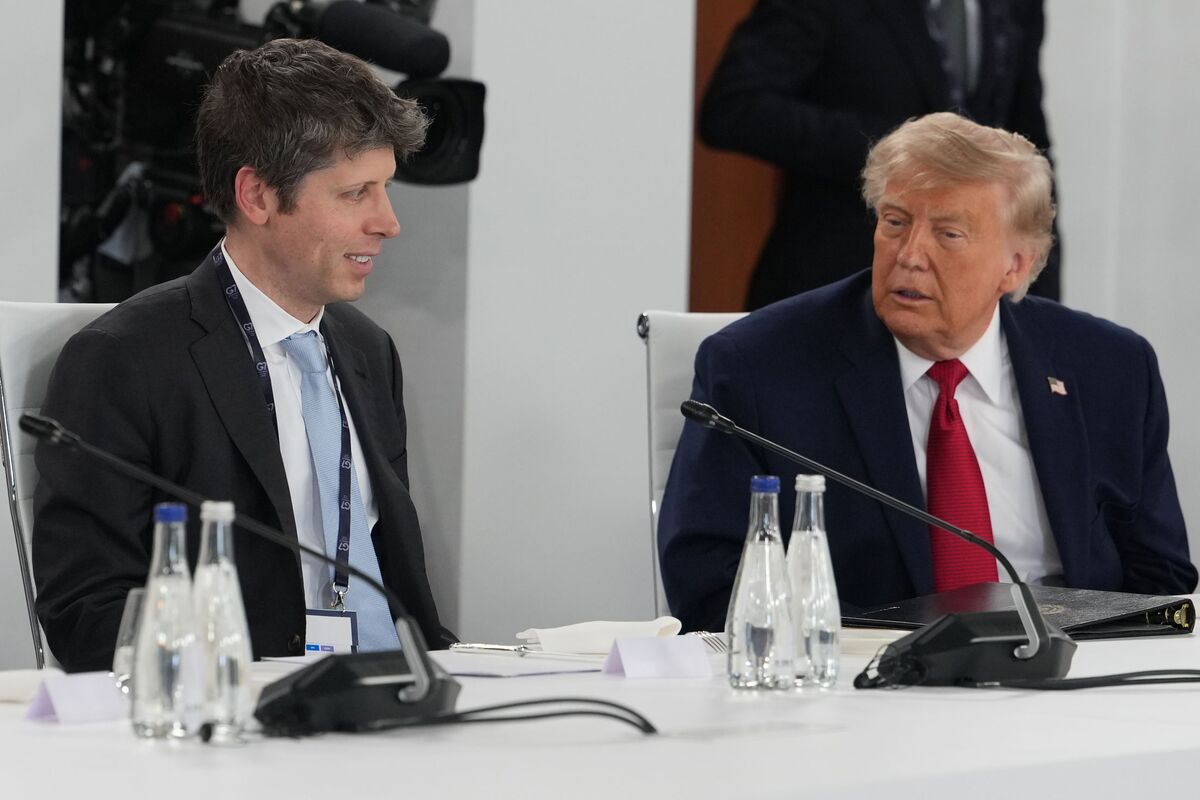
Report says OpenAI is proposing that the US government receive a 5% stake as part of a broader AI plan. The development is policy/regulatory in nature rather than a near-term earnings driver, so likely limited immediate market impact but could influence future governance and funding expectations across AI.
This reads more like political risk management than a cash-flow event. If credible, the main economic effect is a lower probability of a hostile regulatory outcome for frontier AI and a higher barrier to entry for smaller labs that cannot trade access for policy alignment. That tends to favor the already-entrenched stack: Microsoft as the most direct strategic counterpart, and Nvidia/AI infrastructure names if any public-sector compute or procurement agenda follows.
The bigger second-order effect is that Washington’s involvement could accelerate a “national champion” framework, which would concentrate capital and talent into a few large platforms while squeezing open-source and well-funded challengers that rely on looser experimentation. The contrarian risk is that this is mostly symbolic until converted into actual rules, budgets, or procurement contracts; without that, the market will fade the headline quickly and the multiples will revert to being driven by earnings, not policy theater.
Time horizon matters: near-term, expect sentiment-driven AI beta support over days; over 1-3 months, the trade only works if the story evolves into a formal licensing or sovereign-compute initiative; over 6-18 months, any real moat comes from regulatory complexity raising compliance costs and reinforcing scale advantages. What would falsify the thesis is simple: no follow-through from Commerce/NSC, no mention in budget or executive-action language, or a framework that is broad and non-exclusive enough to help all frontier competitors equally.
AI-powered research, real-time alerts, and portfolio analytics for institutional investors.
Request DemoOverall Sentiment
neutral
Sentiment Score
-0.05
Ticker Sentiment
